
2017 EDITION

Dear Colleague,
On behalf of the Scientific Committee, I’m pleased to announce the 7th “Annual International Symposium on Biosafety and Biosecurity: Future Trends and Solutions” to be held at Palazzo Greppi, Milan (Italy) from March 22 to 24, 2017.
This International Symposium offers a unique opportunity for biosafety and biosecurity professionals to discuss issues in the field of biorisk management, biohazardous waste management and other laboratory biosafety and biosecurity issues in light of emerging and re-emerging diseases in the World. According to the Scientific Committee, the new format will be a sort of interactive workshop providing the Experts involved with original and productive sparks. Accordingly, the event is intended to represent a sort of working group/expert meeting among technicians that freely share new ideas and provide practical solutions in the field of biosafety and biosecurity, including on sensitive topics, in a “secure” and private atmosphere.
Recent natural events that can turn into non-natural, invite us to investigate new solutions in biorisk management. In particular, they urge that the need for strengthened collaboration between biosafety and biosecurity professionals is to be addressed.
To achieve these results the Symposium will be organized with limited number of participants. Experts interested in participating are invited to send their CV to the Scientific Secretariat for registration.
Yours sincerely,
Prof. Maria Rita
Gismondo
President Annual International
Symposium

INFO
Please download here the Scientific Programme
TOPICS
1. Climate Change and New Emergencies
2. Emerging Life Science Technologies: Synthetic biology and dual-use research of concern
3. Combining Emerging and Re-Emerging Diseases and Security
4. Global Vaccination Strategies as Outbreaks Preventing Tool
5. International Conventions: The Contribution to Biosecurity
PRESIDENT
Maria Rita
Gismondo
MEMBERS
Nissene D. Al Hmoud (Jordan)
Ali Atoui (Lebanon)
Lela Bakanidze (Georgia)
Maurizio Barbeschi (Switzerland)
Giorgio Battisti (Italy)
Isabelle Daoust-Maleval (France)
Bruno Dupré (France)
Maureen Ellis (Canada)
Bassam Hayek (Jordan)
Selwyn R. Jamison (USA)
Bonnie D. Jenkins (USA)
Christopher Kramer (USA)
Francesco Marelli (Italy)
Alicia Mignone (Italy)
Uwe Mueller-Doblies (UK)
Dana Perkins (USA)
Giovanni Rezza (Italy)
Scott Spence (New Zealand)
Stef Stienstra (Netherlands)
Philippe Stroot (Belgium)
John Tagaswire (Uganda)
Giandomenico Taricco (Italy)
Terence Taylor (USA)
Gijsbert van Willigen (Netherlands)
Andrew C. Weber (USA)
HOW TO
REACH PALAZZO GREPPI
Address
Via Sant’Antonio,
10
20122 Milano.
Railroad link:
- Stop Repubblica
Underground:
- Red Line 1 – stop Duomo;
- Yellow Line 3- stop Missori
Buses:
- Line 94, 12, 15, 23, 27, 54
Railway station:
- Milano Centrale, Milano Porta Garibaldi or
Milano Cadorna
www.atm.it
HOW TO REACH PALAZZO MARINO
Address
Piazza della Scala,
2
20121 Milano.
Railroad link:
- Stop Repubblica
Underground:
- Red Line 1 – stop Duomo or
Cordusio;
- Yellow Line 3- stop Montenapoleone
Tram:
- Line 1
Railway station:
- Milano Centrale, Milano Porta Garibaldi or
Milano Cadorna
www.atm.it
Coming soon
 The palazzo was built
by Milanese architect Giuseppe Piermarini, the great
protagonist of Milan’s neo-classicism and mastermind of great works such as
Palazzo Reale, Teatro alla Scala and Palazzo Belgioioso. The building was
commissioned by Antonio Greppi who belonged to the haute
bourgeoisie; his aim was to favour his family’s entry to the close-knit
inner circle of the city’s nobility. The palace
The palazzo was built
by Milanese architect Giuseppe Piermarini, the great
protagonist of Milan’s neo-classicism and mastermind of great works such as
Palazzo Reale, Teatro alla Scala and Palazzo Belgioioso. The building was
commissioned by Antonio Greppi who belonged to the haute
bourgeoisie; his aim was to favour his family’s entry to the close-knit
inner circle of the city’s nobility. The palace
became a place for parties and receptions attended by the high society of
the era. Thanks to this initiative Antonio Greppi was awarded the title of
Count by the Empress Maria Theresa of
Austria. The façade, composed and unembellished, consists of three floors.
In the central part of the ground floor, an arched portal is flanked by two
paired columns that support the balcony. The two upper floors are
characterised by a series of aligned windows. Inside, the rectangular
courtyard has six arched porticoes on the long sides and three on the short
sides. A two-flight staircase leads to the main floor which still retains
its original decor. The hall designed by Piermarini and decorated with
frescoes by Giocondo Albertolli presents affrescoes by Martin Knoller in the
inset panels. For its unity of style and design of architecture, paintings
and sculptures of Palazzo Greppi are considered one of the
most representative examples of early neo-classicism.
Palazzo Greppi is now used as a congress venue by the University of
Milan.
Maria Theresa of
Austria. The façade, composed and unembellished, consists of three floors.
In the central part of the ground floor, an arched portal is flanked by two
paired columns that support the balcony. The two upper floors are
characterised by a series of aligned windows. Inside, the rectangular
courtyard has six arched porticoes on the long sides and three on the short
sides. A two-flight staircase leads to the main floor which still retains
its original decor. The hall designed by Piermarini and decorated with
frescoes by Giocondo Albertolli presents affrescoes by Martin Knoller in the
inset panels. For its unity of style and design of architecture, paintings
and sculptures of Palazzo Greppi are considered one of the
most representative examples of early neo-classicism.
Palazzo Greppi is now used as a congress venue by the University of
Milan.
Wednesday March 22, 2026
05.30 pm Inside Hamlet: Dramatization by Marco Alberghini from William Shakespeare (Palazzo Marino – Alessi Room)
06.30 pm Welcome Cocktail (Palazzo Marino)
Thursday March 23, 2026
08.00 pm Social Dinner (Military School “Teuliè” of Italian Army)
Sponsor and Exhibitor Information
Biosafety Symposium enables companies and other organizations involved in biosafety to connect with leaders and decision makers from across biosafety and biosecurity community. The Symposium provides the venue to feature the availability and value of biosafety products and services, and to gain the attention of people who make the crucial decisions in their selection and procurement.
The event will bring together more than 150 biosafety professionals, biocontainment facility managers and laboratory scientists from government facilities, universities and the private sector. It will feature presentations and posters on an array of biosafety topics, including microbiological techniques, laboratory facilities and equipment, biosafety and biosecurity measures, and infectious diseases.
All sponsors will:
• be featured and acknowledged in the Symposium
signs, promotional materials, and program, with specific signage and
recognition at the event you are sponsoring
• be given one free conference registration
for your personnel to attend and participate in all Symposium
activities, which includes banquet tickets
• act with the other sponsors and exhibitors
as host of an opening reception in the exhibit area.
• be given exhibition stand in close
proximity to the events, refreshment areas and social activity of the
Symposium.
Sponsorship Opportunities
Social dinner
Lunch
Coffee Break
Congress folder-abstract books
Exhibition space
€ 3000 + IVA 22% for each area 3×3 mts
ABSTRACTS & SLIDES
David Backer
Hopital Necker - Enfants Malades. Project Manager, Paris (France)

Toxic Trauma in Mass Casualty Incidents
Exposure to toxic industrial chemicals and to agents of chemical
warfare causes damage to the various somatic systems which goes beyond the
conventional concept of poisoning. Such injury may be termed ‘toxic trauma’ and
should be regarded as part of the overall spectrum of trauma which includes the
blunt, penetrating and burn varieties, since there are several end stage
pathophysiological mechanisms which they have in common. This presentation will
give an overview of the concept of toxic trauma from exposure to chemical agents
and discuss its relationship to the injury caused by other members of the
chemical, biological, radiological and nuclear (CBRN) grouping. Despite the
conventional acceptance of the CBRN classification over many years by military
and by civil emergency responders and a widespread public belief that they are
all ‘weapons of mass destruction,’ from a medical standpoint it remains
unsatisfactory. There are very considerable differences between chemical
biological, radiological and nuclear agents and the injuries they produce, which
are often poorly understood by medical first responders. Only nuclear devices
should be regarded as genuine weapons of mass destruction. Other members of the
CBRN classification should be regarded as agents of possible mass injury, which
is essentially treatable, breaking the link with mass fatalities. In this
respect the presentation will consider the links between the apparently
different types of trauma produced by CBRN agents in relation to the key
properties of chemical agents causing toxic trauma which are (1) the physical
form of the agent and how exposure can occur (2) persistency: how long the agent
remains a hazard (3) toxicity: how the agent causes trauma and (4) latency: the
time taken for physical signs and symptoms to appear after exposure.
Federica De Giuli
Spedali Civili. Medical Doctor, Brescia (Italy)
The importance of training to ensure self autonomy in
disaster emergencies. A dynamic cooperation between sanitary and logistic
personnel at the ANA Light Field Hospital
 Study objective: To
describe the experience of a training section for maxi emergencies of the ANA
Light Field Hospital (LFH).
Study objective: To
describe the experience of a training section for maxi emergencies of the ANA
Light Field Hospital (LFH).
Background: The history of disaster emergencies has confirmed the important role
of light field hospitals and it has highlighted the need of logistic and
sanitary self autonomy of these operating structures, especially in difficult
enviroments. The ANA LFH is a mobile, flexible hospital structure,
self-contained, self-sufficient health care of rapid employment. The logistic
and sanitary personnel constists of volunteers from the entire Italy.
Methods: a 3-day training section has been performed mimicking a maxi emergency.
The ANA LFH (8 pneumatic tents with internal medicine, emergency care
ambulatories, orthopedics, surgical room, pre and post surgery observation,
laboratory for blood assay, radiology and pharmacy) and the logistic support
structures (dorms, toilettes, showers, kitchen and refectory/meeting room) has
been set up and equipped and disassembled at the end. On the 2nd day,
a 4-hour sanitary exercise has been hold with rigged persons interpreting eleven
patients with green (3), jellow (4) and red (4) code according to the SORT
triage.
Results: 43 sanitaries and 26 logistics took part at the training section.
During the 3 days it has been possible to test/verify: the timing and skills of
entire personnel to set up and equip the LFH and the logistic structures; the
cooperation among the personnel; the coordination of sanitary activities and
among professionals not use to work together and coming from different job
environments; the security of personnel and the correct use of personnel
protective devices and procedures; the new electric system and the water
purifying system.
Conclusions: The training section showed a good level of cooperation among the
personnel, highlighted several aspects that will be ameliorated and confirmed
the need of periodical training sections to guarantee self autonomy in case of
disaster emergencies, especially in austere environment.
Gretchen Demmin
Demmin Consulting LLC. President, Lovettsville (USA)
Building the foundation for Biosaftey and Biosecurity through Training
 This talk will consider
the challenges to educating the diverse workforce of scientists and support
staff that are critical to having a successful research program in High and
Maximum containment laboratories. In order to sustain the trust of the
communities in which the work is conducted there must be a training program that
is robust enough to address the information needs not only of the scientists but
also the security personnel, administrators and inspectors that will play a
vital role in performing the research or diagnostic testing required to provide
necessary public health functions. Building an appropriate safety culture at the
start of the program will ensure that the work continues and protects the
institution from potentially liability in the event that an accident occurs.
This talk will provide recommendations for building a training program that will
serve the research facility and the communities in which they work.
This talk will consider
the challenges to educating the diverse workforce of scientists and support
staff that are critical to having a successful research program in High and
Maximum containment laboratories. In order to sustain the trust of the
communities in which the work is conducted there must be a training program that
is robust enough to address the information needs not only of the scientists but
also the security personnel, administrators and inspectors that will play a
vital role in performing the research or diagnostic testing required to provide
necessary public health functions. Building an appropriate safety culture at the
start of the program will ensure that the work continues and protects the
institution from potentially liability in the event that an accident occurs.
This talk will provide recommendations for building a training program that will
serve the research facility and the communities in which they work.
Daniel Feakes
United Nations Office for Disarmament Affairs. Chief, Geneva (Switzerland)
The Biological Weapons Convention: The Eighth Review Conference and Beyond
 The Biological Weapons Convention (BWC) was the first
international treaty to effectively prohibit an entire category of weapons of
mass destruction. In its Preamble, the BWC clearly affirms the norm against the
use of biology as a weapon by stating that such use would be “repugnant to the
conscience of mankind”. Few would dispute the strength of the norm against
biological weapons, but the BWC itself, as the legal and widely accepted
embodiment of this norm, requires continuous support and attention. Even after
40 years it is not yet universal and its implementation is less than
satisfactory. However, the treaty and particularly its annual meetings in Geneva
have served as a venue in which all relevant stakeholders can come together to
share information, experience and expertise and develop common understandings at
the global level. In recent years, these meetings have been attended by a wide
range of experts from national, regional and international entities from the
public, private and civil sectors. International organizations such as the OIE,
FAO and WHO have been regular participants in the BWC meetings and their
contributions are much appreciated by BWC States Parties. Cooperation and
collaboration at the international level is also vital in facing the threats
posed by the misuse of biological agents against humans, animals or plants.
However, the recent Eighth BWC Review Conference was only able to adopt a modest
outcome which could put into question the role the BWC should play in countering
these threats into the future.
The Biological Weapons Convention (BWC) was the first
international treaty to effectively prohibit an entire category of weapons of
mass destruction. In its Preamble, the BWC clearly affirms the norm against the
use of biology as a weapon by stating that such use would be “repugnant to the
conscience of mankind”. Few would dispute the strength of the norm against
biological weapons, but the BWC itself, as the legal and widely accepted
embodiment of this norm, requires continuous support and attention. Even after
40 years it is not yet universal and its implementation is less than
satisfactory. However, the treaty and particularly its annual meetings in Geneva
have served as a venue in which all relevant stakeholders can come together to
share information, experience and expertise and develop common understandings at
the global level. In recent years, these meetings have been attended by a wide
range of experts from national, regional and international entities from the
public, private and civil sectors. International organizations such as the OIE,
FAO and WHO have been regular participants in the BWC meetings and their
contributions are much appreciated by BWC States Parties. Cooperation and
collaboration at the international level is also vital in facing the threats
posed by the misuse of biological agents against humans, animals or plants.
However, the recent Eighth BWC Review Conference was only able to adopt a modest
outcome which could put into question the role the BWC should play in countering
these threats into the future.
Kelly R. Klein
University of Texas Southwestern. Physician, Dallas (USA)
When it Comes to Your Doorstep: a Look at the Dallas, TX Experience with the Ebola Virus
 We have taught for years that any disease
is “just a plane flight away”. In 2014, infected healthcare personnel infected
with the Ebola virus were brought to the United States for treatment. Later in
the year, an Ebola infected patient came to Dallas, TX unannounced and uninvited
to a unsuspecting hospital. We will use our time to discuss the timeline and
events of the first diagnosis and outbreak of Ebola Viral Disease in the United
States.
We have taught for years that any disease
is “just a plane flight away”. In 2014, infected healthcare personnel infected
with the Ebola virus were brought to the United States for treatment. Later in
the year, an Ebola infected patient came to Dallas, TX unannounced and uninvited
to a unsuspecting hospital. We will use our time to discuss the timeline and
events of the first diagnosis and outbreak of Ebola Viral Disease in the United
States.
Special Pathogens: A discussion amongst experts
In 2014, a patient infected with Ebola Viral Disease (EVD) came to the United States, unannounced and uninvited. Because of this event there was much money spent in not only the US, but abroad to train healthcare workers about EVD and how to protect them selves. In most places, this training was specific to EVD only and did not look at EVD as what it is, part of a group of “special pathogens”. If we train for special pathogens, then the chance of being caught unaware is decreased. As a group, let us discuss a checklist that could be used to help develop not only training, but also raise awareness and safety.
Nadide G. Kozan Manguel
University Hospital L.Sacco ASST Fatebenefratelli-Sacco. Project Manager, Milan
(Italy)
Training of Trainers on Epidemic Preparedness and Biosafety in Northern Uganda
 EDCTP-CSA-Ebola-337
Project “ENhancing individual and institutional infectious Disease Outbreaks
ResponSe capacities of healthcare professionals to mitigate infectious
Emergencies in the Northern Uganda region -ENDORSE” aims at promoting
sustainable knowledge development and transfer in the field of epidemic
preparedness and response, in order to build individual and institutional
capacities to deal with infectious outbreaks resulting in possible health
emergencies. Capacity building is mainly done via the provision of training to
healthcare workers of nine different hospitals in Northern Uganda. The two main
cornerstones of ENDORSE are the needs-based approach and an innovative
Train-the-Trainers methodology. For training contents and methodologies to be as
much tailored and relevant as possible, ENDORSE worked from its inception
towards the identification of training needs of the healthcare workers involved
in the project. The needs assessment conducted by the Project Team benefited
from the concurrence of different tools, including site visits held during the
fact-finding mission in the region, the preparation, administration and analysis
of a Training Needs Assessment Questionnaire (TNAQ), as well as the study of the
literature collected during the first months of project implementation. The
Training-of Trainers will be original insofar as it will include specific adult
learning and communication contents delivered by trainers experienced in
participatory learning. In addition, ENDORSE will guide the trained trainers
through the second phase of their involvement in the project, namely their role
as trainers in their own organizations.
EDCTP-CSA-Ebola-337
Project “ENhancing individual and institutional infectious Disease Outbreaks
ResponSe capacities of healthcare professionals to mitigate infectious
Emergencies in the Northern Uganda region -ENDORSE” aims at promoting
sustainable knowledge development and transfer in the field of epidemic
preparedness and response, in order to build individual and institutional
capacities to deal with infectious outbreaks resulting in possible health
emergencies. Capacity building is mainly done via the provision of training to
healthcare workers of nine different hospitals in Northern Uganda. The two main
cornerstones of ENDORSE are the needs-based approach and an innovative
Train-the-Trainers methodology. For training contents and methodologies to be as
much tailored and relevant as possible, ENDORSE worked from its inception
towards the identification of training needs of the healthcare workers involved
in the project. The needs assessment conducted by the Project Team benefited
from the concurrence of different tools, including site visits held during the
fact-finding mission in the region, the preparation, administration and analysis
of a Training Needs Assessment Questionnaire (TNAQ), as well as the study of the
literature collected during the first months of project implementation. The
Training-of Trainers will be original insofar as it will include specific adult
learning and communication contents delivered by trainers experienced in
participatory learning. In addition, ENDORSE will guide the trained trainers
through the second phase of their involvement in the project, namely their role
as trainers in their own organizations.
Christopher J. Kramer
Argonne National Laboratory. Manager, Media Relations and External Affairs,
Argonne (USA)
What Should I Do and why Should I Believe You? Communicating Risk, Public Engagement and How Facts Fail to Convince

During a time of crisis people are hungry for information but may distrust official sources - despite an overwhelming set of facts gathered with meticulous care from dependable sources. That’s because we are emotion based creatures with deeply entrenched pre-existing views. This presentation discusses how the human mind filters information to make decisions and will touch on methods and strategies to bolster a successful risk and crisis communication.
Marta Lado Castro-Rial
Connaught Hospital - King’s College. Infectious diseases Coordinator, London
(UK)
Ebola Isolation Units in Health Care facilities. Experience Sierra Leone EVD outbreak 2014-2016
 Background: A
central pillar in the response to the 2014 Ebola Virus Disease (EVD) epidemic in
Sierra Leone was the role of Ebola Holding Units (EHUs). These units isolated
patients meeting a suspect case definition, tested them for EVD, initiated
appropriate early treatment, and discharged negative patients to onward
inpatient care or home. Positive patients were referred to Ebola Treatment
Centres. We aimed to estimate the risk of nosocomial transmission within these
EHUs.
Background: A
central pillar in the response to the 2014 Ebola Virus Disease (EVD) epidemic in
Sierra Leone was the role of Ebola Holding Units (EHUs). These units isolated
patients meeting a suspect case definition, tested them for EVD, initiated
appropriate early treatment, and discharged negative patients to onward
inpatient care or home. Positive patients were referred to Ebola Treatment
Centres. We aimed to estimate the risk of nosocomial transmission within these
EHUs.
Material/methods: We supported the set up of 7 EHU around the
Western area in Sierra Leone (Including the capital- Freetown). The measures of
Infection Prevention Control (IPC) were evolving during the outbreak as there
were no clear guidelines for management of Ebola Viral Disease (EVD) previous to
this outbreak. The progressive learning and the innovation facilitated the
protection of Health Care Workers in those Units.
Conclusions: These findings support the EHU model as a safe
method for isolation of suspect EVD patients and their role in limiting the
spread of EVD. Strict adherence to infection prevention and control measures
between episodes of patient care is likely to be essential in protecting
individuals from nosocomial transmission and to set up measures to control the
spread of the disease in the community during an outbreak.
Emmanuel Ochola
St. Mary’s Hospital. Clinical Epidemiology and Biostatistics, Lacor (Uganda)
Before, during and after the Ebola outbreak 2000: Lessons for preparedness from a Northern Uganda hospital
 Uganda has had several
outbreaks of viral hemorrhagic fevers, the most catastrophic being the ebola
virus disease outbreak in 2000 during which a total 425 people were infected,
giving a mortality ratio of 54%. The major hospital in the fight of Ebola then
was St. Mary’s hospital Lacor in Northern Uganda, where 243 patients were seen,
with 130 deaths, which included 13 health care workers. This paper discusses
some glaring gaps in preparedness before, firefighting during the outbreak, and
systems for preparedness afterwards, including the challenges therein.
Uganda has had several
outbreaks of viral hemorrhagic fevers, the most catastrophic being the ebola
virus disease outbreak in 2000 during which a total 425 people were infected,
giving a mortality ratio of 54%. The major hospital in the fight of Ebola then
was St. Mary’s hospital Lacor in Northern Uganda, where 243 patients were seen,
with 130 deaths, which included 13 health care workers. This paper discusses
some glaring gaps in preparedness before, firefighting during the outbreak, and
systems for preparedness afterwards, including the challenges therein.
The “laisez faires” status of the hospital before the outbreak did not mean a
complete absence of infection prevention practices, however there was serious
inconsistency in for example handwashing, gloving and sterilization practices.
During the outbreak, there was accelerated influx of resources: technical human
resource, capacity building, equipment, among others. Systems for reporting were
set up, but strong stigma ensued, including grave fear of Ebola leading to some
fugitive health workforce.
The efforts after the outbreak can be more decisive, but also difficult to
maintain and sustain. We discuss the infection prevention practices that
improved, including the availing of “starter” personnel protective equipment,
trainings, surveillance and some of the routine surveys for hospital acquired
infections and an epidemic preparedness plan.
We discuss how the success of preparedness requires a robust staffing, continual
training, strong systems for surveillance including routine surveys, and need
for better communication among different stakeholder, both internal and external
to the hospital or health system. There is also a strong need foe laboratory
preparedness and community engagement.
Andreea Paulopol
US Department of State. Physical Scientist, Washington DC (USA)
Opportunities to Strengthen the BWC
 While the United States
regrets that the Biological and Toxin Weapons Convention (BWC) Review Conference
fell short of reaching agreement on a substantive program of work for the
inter-sessional process, it is important to emphasize that the Convention
remains strong. In fact, the United States recognizes the widespread support by
delegations at the Review Conference for a more active and productive BWC work
plan and will continue to work in this direction. We also strongly support other
activities that can strengthen the Convention, even in the absence of a formal
BWC work plan. Like many other delegations, the United States put forward a
number of proposals in advance of the Review Conference, and there is still a
chance for Parties to agree on a meaningful program of work at the end of this
year. Nevertheless, the United States believes that collaborative work among
Parties to strengthen biosecurity, confidence building and consultative
mechanisms, and the UN Secretary General’s Mechanism, among other areas, can and
should continue, with or without a formal BWC work plan.
While the United States
regrets that the Biological and Toxin Weapons Convention (BWC) Review Conference
fell short of reaching agreement on a substantive program of work for the
inter-sessional process, it is important to emphasize that the Convention
remains strong. In fact, the United States recognizes the widespread support by
delegations at the Review Conference for a more active and productive BWC work
plan and will continue to work in this direction. We also strongly support other
activities that can strengthen the Convention, even in the absence of a formal
BWC work plan. Like many other delegations, the United States put forward a
number of proposals in advance of the Review Conference, and there is still a
chance for Parties to agree on a meaningful program of work at the end of this
year. Nevertheless, the United States believes that collaborative work among
Parties to strengthen biosecurity, confidence building and consultative
mechanisms, and the UN Secretary General’s Mechanism, among other areas, can and
should continue, with or without a formal BWC work plan.
Dana Perkins
US Department of Health and Human Service. Senior Science Advisor, Washington DC
(USA)
Strengthening the Culture of Biosafety, Biosecurity, and Responsible Conduct in Life Sciences
 The U.S. Federal Experts
Security Advisory Panel (FESAP) was established by Executive Order 13546. In
September 2014, the White House National Security Council tasked FESAP to
undertake a comprehensive review and identify specific recommendations to
strengthen the Government’s biosafety and biosecurity practices and oversight of
federally-funded activities, consistent with the need to realize such
activities’ public health and security benefits. While directed at the U.S.
federal research system, FESAP recommendations have broad applications and may
also inform biological risk management practices in non-federal life sciences
research, in the United States and abroad. The FESAP Working Group on
strengthening the culture of biosafety, biosecurity, and responsible conduct, is
co-chaired by the U.S. Department of Health and Human Services and the U.S.
Department of Agriculture. The Working Group developed a working definition of a
culture of biosafety, biosecurity, and responsible conduct in life sciences,
defined training goals and objectives; identified federal and non-federal
training resources (on biosafety, biosecurity, bioethics, and laboratory quality
management systems) that included curricula on a culture of biosafety,
biosecurity, and responsible conduct; consulted with a non-governmental experts
from academia, professional organizations, and other practitioners on the best
practices and modalities for incorporation of training and education of the
culture of biosafety, biosecurity, and responsible conduct in life sciences into
the existing curricula; developed educational resources to assist trainers and
educators (fact sheet, case studies, outreach template, bioethics and laboratory
quality management system guiding principles, and crossword puzzle) and shared
them with federal and non-federal stakeholders. These materials are freely
available on the ABSA website: https://www.absa.org/ttMiscHandoutsPosters.html
The U.S. Federal Experts
Security Advisory Panel (FESAP) was established by Executive Order 13546. In
September 2014, the White House National Security Council tasked FESAP to
undertake a comprehensive review and identify specific recommendations to
strengthen the Government’s biosafety and biosecurity practices and oversight of
federally-funded activities, consistent with the need to realize such
activities’ public health and security benefits. While directed at the U.S.
federal research system, FESAP recommendations have broad applications and may
also inform biological risk management practices in non-federal life sciences
research, in the United States and abroad. The FESAP Working Group on
strengthening the culture of biosafety, biosecurity, and responsible conduct, is
co-chaired by the U.S. Department of Health and Human Services and the U.S.
Department of Agriculture. The Working Group developed a working definition of a
culture of biosafety, biosecurity, and responsible conduct in life sciences,
defined training goals and objectives; identified federal and non-federal
training resources (on biosafety, biosecurity, bioethics, and laboratory quality
management systems) that included curricula on a culture of biosafety,
biosecurity, and responsible conduct; consulted with a non-governmental experts
from academia, professional organizations, and other practitioners on the best
practices and modalities for incorporation of training and education of the
culture of biosafety, biosecurity, and responsible conduct in life sciences into
the existing curricula; developed educational resources to assist trainers and
educators (fact sheet, case studies, outreach template, bioethics and laboratory
quality management system guiding principles, and crossword puzzle) and shared
them with federal and non-federal stakeholders. These materials are freely
available on the ABSA website: https://www.absa.org/ttMiscHandoutsPosters.html
Carlo Picco
AREU. Chief Medical Officer, Milan (Italy)
Metropolis the First Italian Non Conventional Biological Drill
 The last Report from The
Global Terrorism Index (GTI) Report, published on 2015 ( from the Institute for
Economics and Peace ) highlights that terrorism continues to rise. International
terrorism has crossed many boundaries , both geographic and ethical, since the
attack on World Trade Center ( 11 Sept 2025), the dispersion to antrax through
the American mail system, the terrorist attack on Tokyo’s underground
transportation system in 1995, had provided important lessons regarding the use
of non conventional and specifically chemical and biological terrorism. Chemical
, biological, radiological , nuclear and explosive (CBRNE) incidents are low
frequency , high impacts events, and are encountered rarely in clinical practice
until now, but the new terrorist attacks in Europe , increasingly frequent,
aggressive, unpredictable impose that the homeland security system, the first
responders and receivers of victims must be competent to manage these scenarios
at short notice. Preparedness for terrorism and mass casualties emergencies is a
continuous process of planning, training and drills, in which the success of
each element is dependent of all the elements involved. In a new age of
potential biological terrorism, there is an increases need for frontline
clinicians and all institutions involved in homeland security and emergencies
response to work together, to increase the ability to cope with these potential
threats. The management of mass casualty incidents (MCIs), especially
non-conventional, due to a possible release of Chemical, Biological or
Radiological substances (CBRN), require that all institutions involved have the
appropriate knowledge, technical and organizational skills. In 2016 in Italy, in
Milan, it was organized the first non-conventional biological drill to test all
entities involved in the response and treatment of mass casualty victims. The
prefecture of Milan with the Police Department, Military Army corps, Fire
Brigades and with AREU for the health medical response (The Regional Medical
Emergency Service Company for Lombardia ) have jointly organized a
non-conventional drill. The METROPLOLIS exercise was organized in May 2016 in
Milan,during the night, in order to test all the institutions involved in MCIs,
both from the point of view of public safety, homeland security, and medical
response. Many hospitals were involved, in particular one as National Referral
Center for Bioterrorism (for the non-conventional part of the exercise) and
another one for the treatment of conventional mass casualties. The exercise was
organized with the simulation of a biological attack in a subway station of
Milan during the night and simultaneously a terrorist attack at the football
stadium, with more than 100 victims and hostages. Pre-Hospital decontamination
procedures were performed and biohazard countermeasures were tested on the field
and in hospital.
The last Report from The
Global Terrorism Index (GTI) Report, published on 2015 ( from the Institute for
Economics and Peace ) highlights that terrorism continues to rise. International
terrorism has crossed many boundaries , both geographic and ethical, since the
attack on World Trade Center ( 11 Sept 2025), the dispersion to antrax through
the American mail system, the terrorist attack on Tokyo’s underground
transportation system in 1995, had provided important lessons regarding the use
of non conventional and specifically chemical and biological terrorism. Chemical
, biological, radiological , nuclear and explosive (CBRNE) incidents are low
frequency , high impacts events, and are encountered rarely in clinical practice
until now, but the new terrorist attacks in Europe , increasingly frequent,
aggressive, unpredictable impose that the homeland security system, the first
responders and receivers of victims must be competent to manage these scenarios
at short notice. Preparedness for terrorism and mass casualties emergencies is a
continuous process of planning, training and drills, in which the success of
each element is dependent of all the elements involved. In a new age of
potential biological terrorism, there is an increases need for frontline
clinicians and all institutions involved in homeland security and emergencies
response to work together, to increase the ability to cope with these potential
threats. The management of mass casualty incidents (MCIs), especially
non-conventional, due to a possible release of Chemical, Biological or
Radiological substances (CBRN), require that all institutions involved have the
appropriate knowledge, technical and organizational skills. In 2016 in Italy, in
Milan, it was organized the first non-conventional biological drill to test all
entities involved in the response and treatment of mass casualty victims. The
prefecture of Milan with the Police Department, Military Army corps, Fire
Brigades and with AREU for the health medical response (The Regional Medical
Emergency Service Company for Lombardia ) have jointly organized a
non-conventional drill. The METROPLOLIS exercise was organized in May 2016 in
Milan,during the night, in order to test all the institutions involved in MCIs,
both from the point of view of public safety, homeland security, and medical
response. Many hospitals were involved, in particular one as National Referral
Center for Bioterrorism (for the non-conventional part of the exercise) and
another one for the treatment of conventional mass casualties. The exercise was
organized with the simulation of a biological attack in a subway station of
Milan during the night and simultaneously a terrorist attack at the football
stadium, with more than 100 victims and hostages. Pre-Hospital decontamination
procedures were performed and biohazard countermeasures were tested on the field
and in hospital.
It was the first time that in Italy that was organized a metropolitan
non-conventional drill, with a multitasking multidisciplinary approach,
underlining the importance to measure the performances and adequate skills of
all entities involved in this exercise.
Andrea Rigoni
Deloitte. Partner, Milan (Italy)
 Biosecurity and Cybersecurity: Common Challenges
and Potential Synergies
Biosecurity and Cybersecurity: Common Challenges
and Potential Synergies
Brief introduction on Cybersecurity and the main challenges that governments and research institutions are facing. In particular, Mr. Rigoni will illustrate how Cybersecurity might be improved through new approaches as big data, artificial intelligence and cognitive computing. Then he will explore the similarities with Biosecurity and how the two disciplines might support each other.
Jayant Sangwan
United Nation Interregional Crime and Justice Research Institute. Project
Manager, Ispra (Italy)
 International Network
on Biotechnology
International Network
on Biotechnology
The presentation will first discuss the benefits and concerns associated with emerging research in the field of life sciences and then describe the International Network on Biotechnology. The presentation will stress the importance of building a culture of safety and security by creating a shared responsibility amongst different stakeholders and empowering them to better detect and report any issues of concern. It will highlight how the International Network on Biotechnology intends to achieve this aim and complement the top-down arms control approach with the bottom-up measures that intend to raise awareness amongst the students, researchers and the private sector entities.
Scott Spence
VERTIC. Programme Director, London (UK)

We originally presented this report at the Eighth Review Conference for the BWC.
We are grateful to the Netherlands Ministry of Foreign Affairs for funding our
production of this report; however, the views expressed in it do not necessarily
reflect those of our funder.
This report draws on VERTIC’s experience, gained over 15 years, of analysing
biological weapons legislation and providing legislative assistance to over 145
States to review and adopt legislation to implement the Convention and the
biological weapons-related requirements of UN Security Council resolution
1540.
The report provides a snapshot of the current status of BWC States Parties
implementing legislation, identifies some implementation trends, and highlights
issues requiring further attention by States Parties. We hope that it will serve
as a useful baseline analysis against which progress until the next BWC Review
Conference in 2021 may be measured.
The report is divided into three sections. The first section explains the role
that VERTIC has played in providing legislative assistance for the Convention
since 2002 and describes the methodology and purpose of our legislation surveys.
These surveys address 95 distinct criteria relating to implementation of the
Convention and the biological weapons-related requirements of UNSCR 1540, which
we analyse under the broad headings of: definitions; offences and penalties;
jurisdiction; measures to prevent prohibited activities; and law enforcement. To
date, we have completed biological weapons legislation surveys for 146 States,
including 131 of the 178 States Parties to the Convention – or, 73 per cent of
its membership.
The second section of the report contains an assessment of the status of
national measures – primarily legislative measures – in the 131 States Parties
that we have surveyed. This assessment is based on the quantitative data that we
collate on the presence or absence of each of the 95 implementation criteria in
the legislative framework of each State that we survey. This should not be
construed as a compliance assessment, as the precise combination of legislative
provisions needed to give effect to the Convention differs between States
depending on their national situation and because it does not address the
qualitative effectiveness of such measures. This section provides a useful
insight into the approaches that States have taken to implement the Convention
to date and reveals discernible gaps in States’ regulatory frameworks. This data
is analysed collectively, across States Parties, and does not identify the
status of legislation for any particular State or region.
The third section of the report offers some observations on the qualitative
effectiveness of States Parties’ implementing measures, based on VERTIC’s
research, survey findings and ongoing engagement with States since 2002. This
section also provides comment on implementation trends and issues which may
impact on efforts to strengthen the collective corpus of States Parties’
implementing measures.
First, with regard to definitions of relevant terms in legislation, we found
that the majority of States had either not provided a definition of ‘biological
weapon’ in relevant legislation, or had developed a unique definition which
differs from the General Purpose Criterion definition found in Article I of the
Convention. Those States lacking a definition for ‘biological weapon’ will find
it difficult to effectively enforce the BWC prohibitions, while States which use
a different definition than the General Purpose Criterion are creating a
discrepancy between their obligations and their State practice. Those States
which transpose the General Purpose Criterion definition in their legislation,
or which otherwise explicitly refer to the definition in the Convention, are
better able to keep pace with developments in science and technology which
impact on the Convention.
Second, with regard to offences and penalties, we found that many States have
not yet criminalized certain activities relating to biological weapons,
including development, production and use, as well as preparations to conduct
such activities, or acting as an accomplice, or financing such activities, as
are required under UNSCR 1540. Many States also lack offences and penalties for
breaches of preventative measures, such as licensing requirements or transfer
controls relating to dangerous biological agents and toxins. Some States have
also mistakenly conflated the concepts of prohibiting biological weapons, and
prohibiting breaches of licensing conditions, by adopting legislation which
prohibits the development, production and use ‘of biological weapons without a
license’. We also found that many States are relying on legislation adopted to
give effect to international terrorism conventions to give effect to their BWC
obligations. However, many of these measures do not effectively prohibit all
banned biological weapons activities.
Third, with regard to preventative measures, such as licensing systems and
transfer controls, we found that the adoption of controls lists is patchy, and
requirements for these to be regularly reviewed and updated, even more so. Many
States also have significant gaps in their strategic trade control systems, to
regulate the import, export, transit, trans-shipment, re-export and brokering of
controlled dangerous biological agents, toxins, and dual-use equipment and
technology, and also lack effective catch-all provisions. Given the rather
limited implementation of suitable strategic trade controls in many States,
these States can choose to start from scratch and develop an effective system
across related issues, which could address all the requirements under UNSCR
1540, and potentially even certain conventional weapons, if this is feasible and
desired. Certain States have indicated to us that this is their preferred
approach. In addition, many States also need to strengthen their legislative
framework to ensure effective oversight of activities involving dangerous
biological agents and toxins, such as by creating an independent oversight body,
and developing procedures and policies for authorizing certain research and
related publications.
Fourth, with regard to enforcement, more States could usefully designate or
establish a national authority to more effectively coordinate national
implementation and enforcement of the Convention and the related provisions of
UNSCR 1540. There are various approaches to achieving this, which can be
tailored to the State’s specific situation and any resource constraints. In
fact, a national authority body that is tasked with determining resource
requirements is well placed to make specific requests of assistance providers in
this field. We have also found a paucity of legislation to facilitate effective
cooperation between law enforcement and public health authorities in the event
of a biological incident, despite these agencies usually requiring a legal
mandate for any such co-operation. Such measures will become increasingly vital,
as the risks of biological incidents and attacks continue to grow.
The report provides more detail on our quantitative and qualitative assessments
of States Parties implementing measures than can be discussed here today. I will
just conclude by noting that we recognize that the process of developing
national legislation for the BWC and resolution 1540 is a technical and
time-consuming task; but it is not insurmountable. All States have some existing
measures to build upon in ensuring that they have an effective legislative
framework for the Convention. Legislative assistance programmes exist to help
with reviewing and drafting legislation, not least VERTIC’s National
Implementation Measures Programme. These programmes should aim to develop truly
tailored approaches for each partner State, especially in the area of transfer
controls and other preventative measures, where harmonization across CBRN is a
feasible and effective solution to the very concerning gaps in States’ national
measures.
Stef Sienstra
Dutch Army Forces. Medical Sceintist, The Netherlands
 The threat of zoonotic
diseases and Ebola Virus Disease specifically
The threat of zoonotic
diseases and Ebola Virus Disease specifically
Public health systems are not always prepared for huge outbreaks of infectious
diseases. Although the in the past several public health institutes were
prominent surveyors of infectious diseases and very active in the mitigation of
infectious diseases both in- and outside their country of origin, like the
French ‘Institut Pasteur’, Dutch ‘Tropeninstituut‘ and many others Institutes,
the investments in worldwide public health was in the last decennia far less
compared to curative healthcare. With the recent Ebola Virus Disease outbreak in
West Africa we see now a new wave of growing interest in investing in Worldwide
Public Health to prevent spreading of highly contagious disease outbreaks.
Zoonotic diseases are the most dangerous for outbreaks as the population does
not have natural nor artificial (from vaccination) immune response to new and
emerging diseases. The Ebola Virus Disease outbreak in 2014 in West Africa is
such an example. As the new strain of the Ebola Virus in West Africa has a
longer incubation time and is only slightly less lethal compared other Ebola
Virus strains, the threat of spreading among the population is far bigger.
Especially when the epidemic enters denser populated areas.
The mitigation of a highly infectious and deadly disease outbreak has several
aspects for which most public health systems in the world are not trained well
enough. NGO’s helping to fight the outbreak are often also better trained in
curative treatments and have less experience with biological (bioweapon) threats
for which the military are trained for. The UNMEER mission is unique in this. It
is a setting in which military and civilian actors cooperate in fighting a
biological threat. Protection is essential for health workers and smart systems
have to be developed to prevent further spreading of the disease. But it is
unfortunately not only the biosafety, which has to be considered, but also the
biosecurity, as misuse of extremely dangerous strains of microorganisms cannot
be excluded.
Several zoonotic infectious diseases, like anthrax, small pox and also the
haemorrhagic fevers like Ebola Virus Disease are listed as potential bioweapons.
With this extra threat in mind both biosafety and biosecurity has to be
implemented in all measures to fight outbreaks of highly infectious diseases, as
we are now doing in West Africa. Several international and national
organisations invest now in improving public healthcare in Africa to mitigate
the global threat of the spreading of infectious diseases by the increasing
international travel.
Dana L. Swenson
Demmin Consulting. Partner - Biosafety Training, Lovettsville (USA)

Biosafety Education: Because it Matters
As scientists, policy makers and clinicians who are interested in infectious diseases, we find ourselves in a time of great change. In recent years, new infectious agents and diseases have emerged, old agents have resurfaced, and threats of global bioterrorism have increased. This has led to a general rise in the number of laboratories working with infectious agents and more specifically, a increase of high containment laboratories (BSL-3 and BSL-4) throughout the world. With this increase in high containment laboratories, we also see an increase in the number of workers handling potentially infectious materials.
The safe handling of microorganisms in any laboratory is the primary objective of a biosafety program, but this becomes especially important for those working in high containment environments. This containment of potentially harmful biological agents is achieved through safe microbiological methods, safety equipment and proper facilities. The most important element of containment may be the adherence to standard microbiological practices and techniques, and we believe this is best achieved through worker education and training. As the containment level increases, and the consequences of accidents more extreme, this training becomes more involved and necessary. We, in conjunction with The National Institutes of Health, have implemented an extensive training program for workers at one of their BSL-4 facilities. The time and effort placed in training these workers is important, because safety matters.
Antonio Tonarelli
Italian Field Hospital. Logistic Manager, Italy
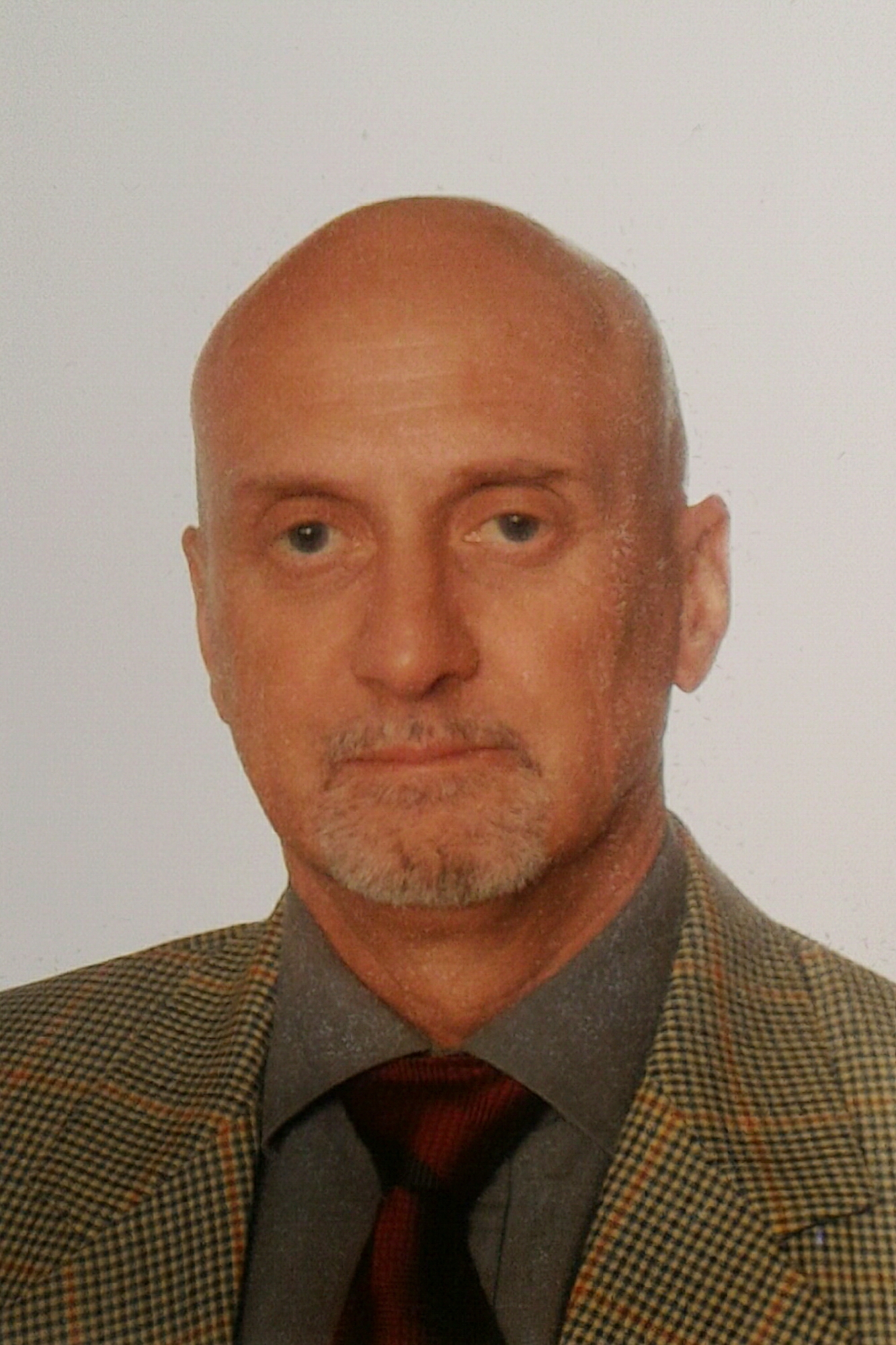
The importance of training to ensure self autonomy in disaster emergencies. A dynamic cooperation between sanitary and logistic personnel at the ANA Light Field Hospital
Study objective: To describe the experience of a training section for maxi
emergencies of the ANA Light Field Hospital (LFH).
Background: The history of disaster emergencies has confirmed the important role
of light field hospitals and it has highlighted the need of logistic and
sanitary self autonomy of these operating structures, especially in difficult
enviroments. The ANA LFH is a mobile, flexible hospital structure,
self-contained, self-sufficient health care of rapid employment. The logistic
and sanitary personnel constists of volunteers from the entire Italy.
Methods: a 3-day training section has been performed mimicking a maxi emergency.
The ANA LFH (8 pneumatic tents with internal medicine, emergency care
ambulatories, orthopedics, surgical room, pre and post surgery observation,
laboratory for blood assay, radiology and pharmacy) and the logistic support
structures (dorms, toilettes, showers, kitchen and refectory/meeting room) has
been set up and equipped and disassembled at the end. On the 2nd day,
a 4-hour sanitary exercise has been hold with rigged persons interpreting eleven
patients with green (3), jellow (4) and red (4) code according to the SORT
triage.
Results: 43 sanitaries and 26 logistics took part at the training section.
During the 3 days it has been possible to test/verify: the timing and skills of
entire personnel to set up and equip the LFH and the logistic structures; the
cooperation among the personnel; the coordination of sanitary activities and
among professionals not use to work together and coming from different job
environments; the security of personnel and the correct use of personnel
protective devices and procedures; the new electric system and the water
purifying system.
Conclusions: The training section showed a good level of cooperation among the
personnel, highlighted several aspects that will be ameliorated and confirmed
the need of periodical training sections to guarantee self autonomy in case of
disaster emergencies, especially in austere environment.
Gijsbert Van Willigen
European Biosafety Association (EBSA). President, Brussels (Belgium)
 The European Biosafety
Association in a changing world
The European Biosafety
Association in a changing world
The world of biotechnology is changing rapidly. New techniques such as synthetic
biology, genome editing, new plant breeding techniques are introduced in the
laboratories before proper evaluation of risks connected to these techniques are
evaluated properly. This is a challenge for biosafety and biosecurity
professionals. For this, the European Biosafety Association can be a platform
for discussion and guidfance for these professionals, but also for researches
and legislators.
European Biosafety Association (EBSA) was founded in June 1996. It is a not for
profit organization which aims to provide a forum for its members to discuss and
debate issues of concern and to represent those working in the field of
biosafety and associated activities. The Association has individual members,
representing over 24 countries in Europe, as well as other regions. EBSA is open
to anyone working in the field, providing unique networking opportunities.
Members range from students to senior professionals, from disciplines as diverse
as healthcare, academia, emergency response, pharmaceutical/biotech industries
and regulatory affairs.
Mission
- The European Biosafety Association (EBSA) establishes and communicates best biosafety and biosecurity practices amongst its members and encourages dialogue and discussions on developing issues.
- EBSA represents and defends the collective interests of its members in all areas relating to biosafety and biosecurity.
- EBSA influences and supports emerging legislation and standards, with the objective of ensuring the prevention of harm to man or the environment from biological substances or materials.
Challenges in biosafety in the rapid changing field of biotechnology
From a biosafety and biosecurity perspective new techniques such as synthetic biology, genome editing, whole genome sequencing, new plant breeding techniques and also dual use research of concern are challenge for biosafety. Reason for this is that the risk assessment, containment but also ethical questions and legal frameworks are based on assumptions that were made some 30 years ago. The question is whether these old fashioned assumptions are still valid for the biotechnology for now and in the future. In the presentation an overview will be given of some new techniques that challenge the system of risk assessment and the legal framework that is in place at the moment. Also the questions if the containment rules that are applied at the moment will still be valid in the near future.
Ashok Vaseashta
Norwich University Applied Research Institute. Senior Fellow - Advisor, Vermont
(USA)
 Dual-Use Research:
Addressing Biosecurity Concerns Related to Synthetic Biology
Dual-Use Research:
Addressing Biosecurity Concerns Related to Synthetic Biology
Research in life sciences is crucial to improving public health, agriculture, and the environment, vis-à-vis strengthening international security. Notwithstanding its benefits, the same research can also harvest information, ways or technologies that could potentially be misused for detrimental purposes. Hence, the National Science Advisory Board for Biosecurity (NSABB) has defined dual use research of concern (DURC) as research that, can be reasonably anticipated to provide knowledge, products, or technologies that could be directly misapplied by others to pose a threat to public health and safety, agricultural crops and other plants, animals, the environment or materiel. The United States Government’s oversight of DURC is squarely aimed at preserving the benefits of required research while minimizing the risk of misuse of the knowledge, information, products, or technologies provided by such research. One of the area of focus of the current study is synthetic biology (SB) - an interdisciplinary branch conjoining multiple disciplines, such as biotechnology, evolutionary biology, genetic engineering, molecular biology, molecular engineering, systems biology, biophysics, and computer engineering. The enormous potential and capability of SB remains yet to be quantified and hence poses a tremendous challenge in ensuring that the design and construction of new biological parts, devices, and systems, and the re-design of existing, natural biological systems remain for useful purposes only. This presentation outlines a spectrum of challenges stemming from SB, such as minimum genome project, genetically-modified organisms (GMOs), aerobiology, and - but not limited to misuse of bacteriology to develop crude biological warfare agents, misuse through loss, theft, diversion or intentional release of harmful or potentially harmful biological agents and materials. Governance of biological technology is inherently a difficult subject, since most biological agents can also be found in nature. While technical proficiency is required to obtain biological materials from natural sources, the fact remains that controlling access to dangerous pathogens or toxins can easily be evaded. The presentation will provide some national and international governance efforts to manage SB threats, including treaty restrictions on the development and possession of biological weapons; multilateral initiatives aimed at preventing dual-use biological material, equipment, and information from being acquired for hostile purposes; and international guidelines and policies to ensure that pathogens and toxins are handled safely and securely. In the US, a wide range of laws, regulations, policies, and guidelines have been adopted to prevent biological materials, equipment, or information from causing harm. Furthermore, the US has undertaken several initiatives to prevent countries of proliferation concern from acquiring material, equipment, and information that could be used to develop and produce biological weapons, including the Arms Export Control Act from the State Department, which has authority to control military biological exports. To address this global concern, opportunities for public debate and discussion of synthetic biology need to be created. Additionally, we need to develop a common, widely understood language for discussing ethical and social, as well as technical aspects of synthetic biology. The public should be involved in a healthy and open dialogue. Communication between the many stakeholders involved in novel technologies and science depends on a variety of complex factors and is context-dependent, and will add to many treaties and governance issues globally.
SCIENTIFIC SECRETARIAT
Giovanna
Fotia
Cristina Pagani
ORGANIZING SECRETARIAT
Alessandro Mancon
Davide Mileto
Alessandro Palazzin
Laboratory of Clinical Microbiology, Virology and
Bioemergencies “L. Sacco” University Hospital, ASST Fatebenefratelli Sacco, Milan
(IT)
E mail: [email protected]
tel +39 02 5031 9831
PATRONAGE OF

Presidence of the Council of Ministers
Ministry of Foreign Affairs and International Cooperation
Ministry of Defense
Ministry of Interior
Ministry of Health

SPONSORED BY:


