
BIOSAFETY TRAINING 2015

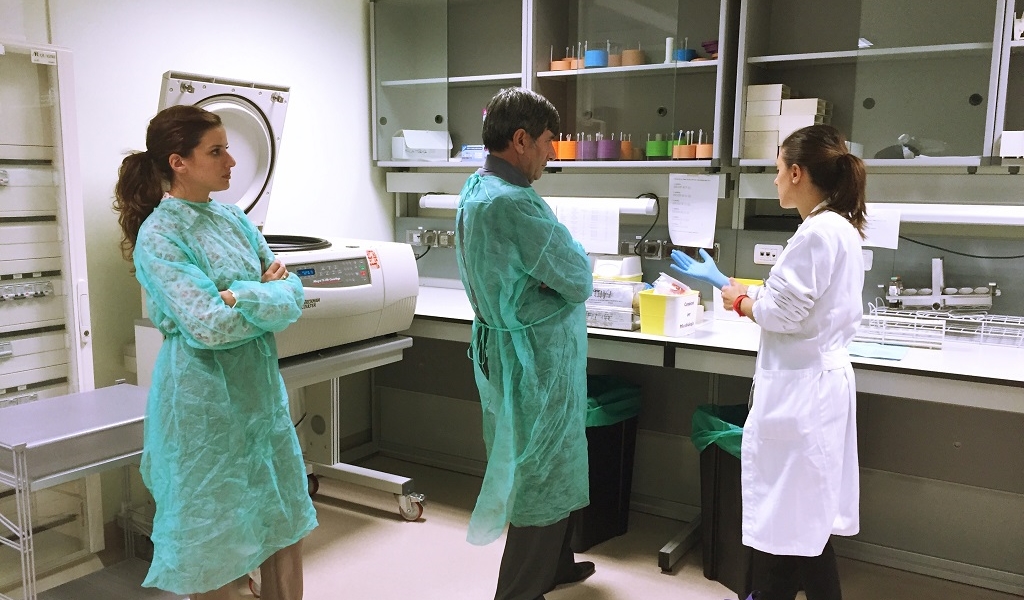
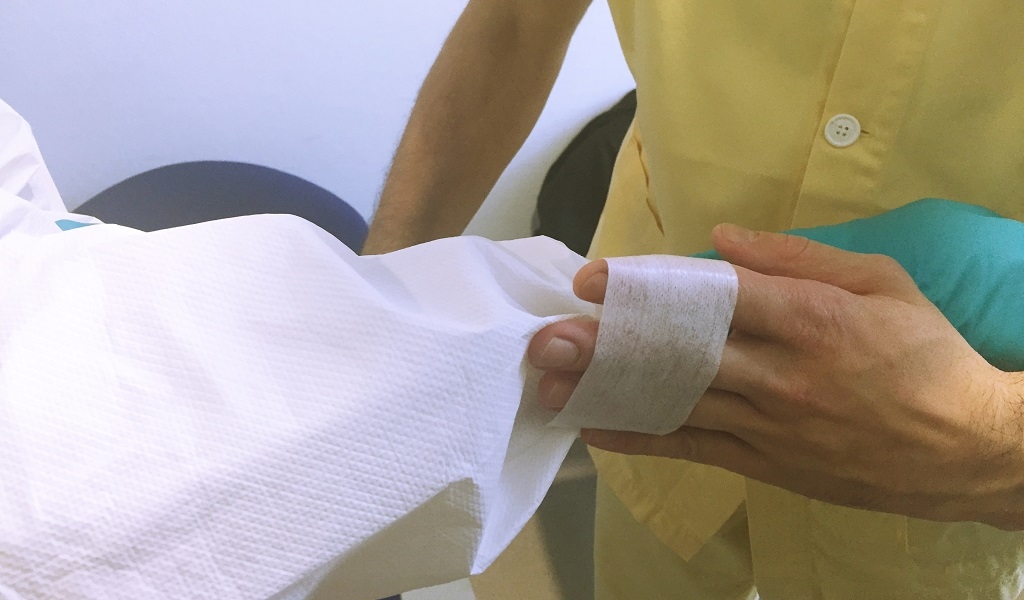
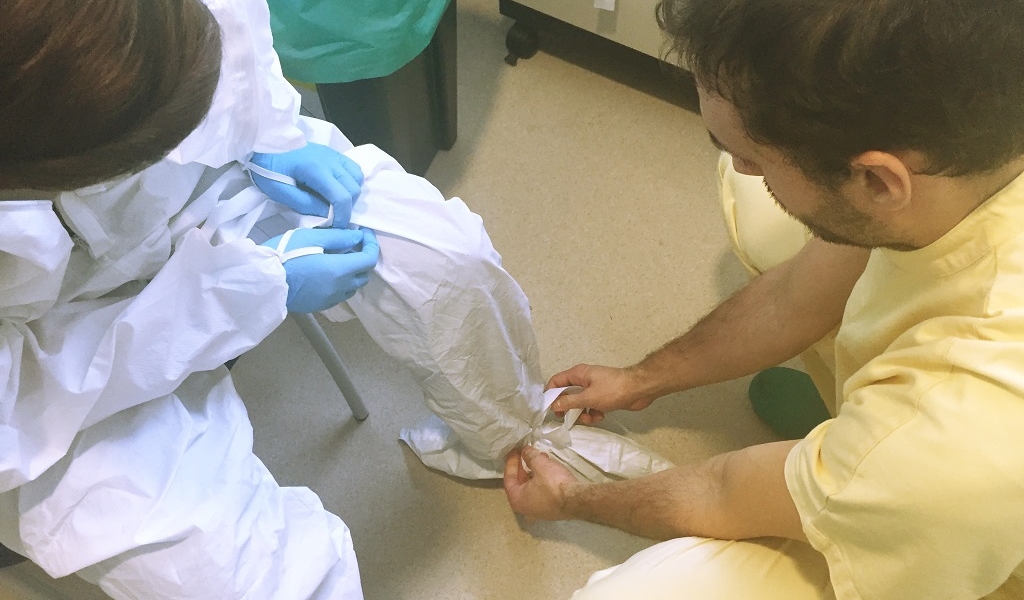
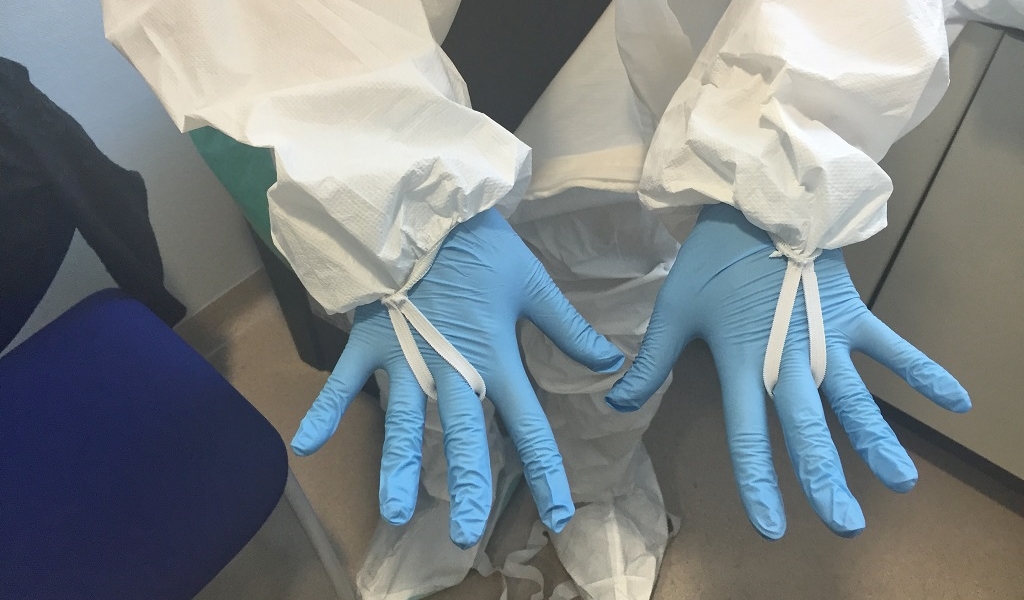
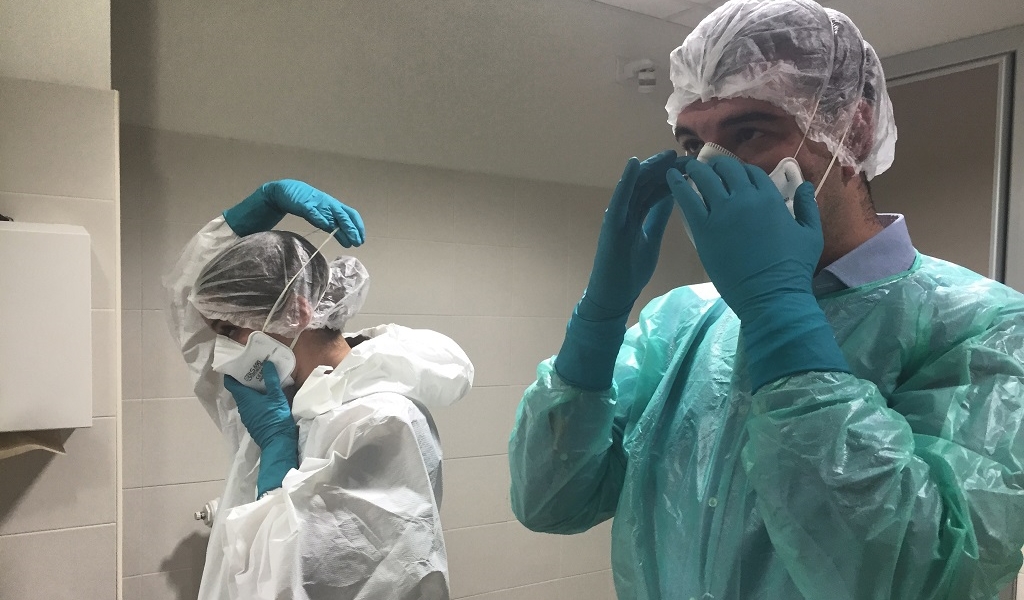
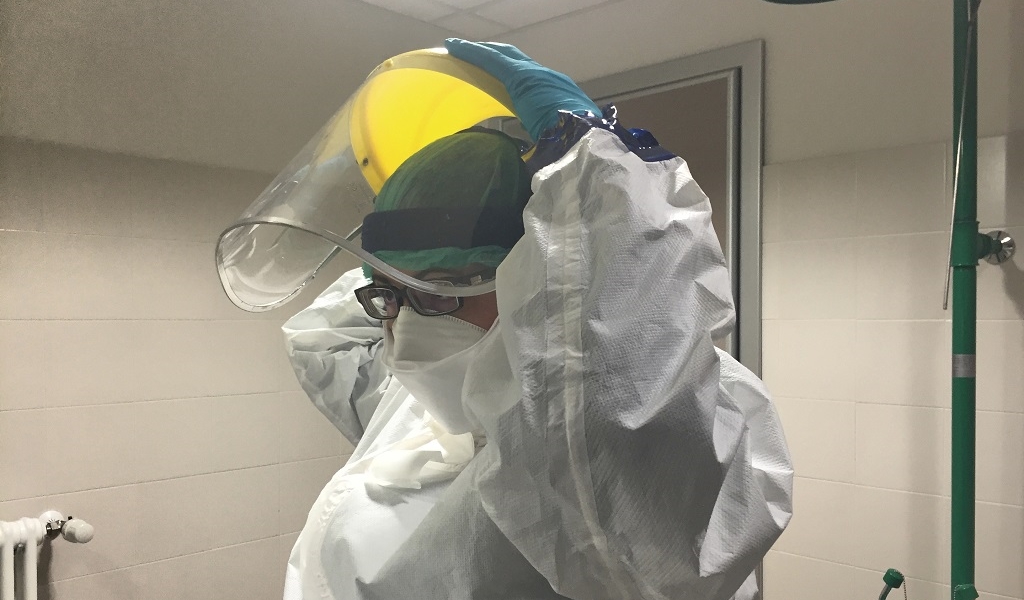
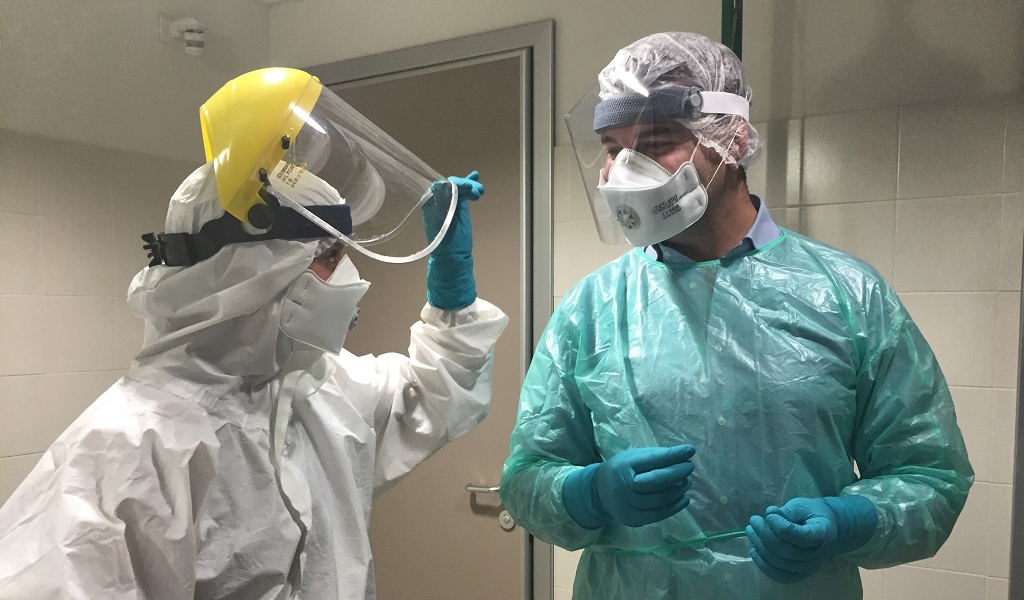
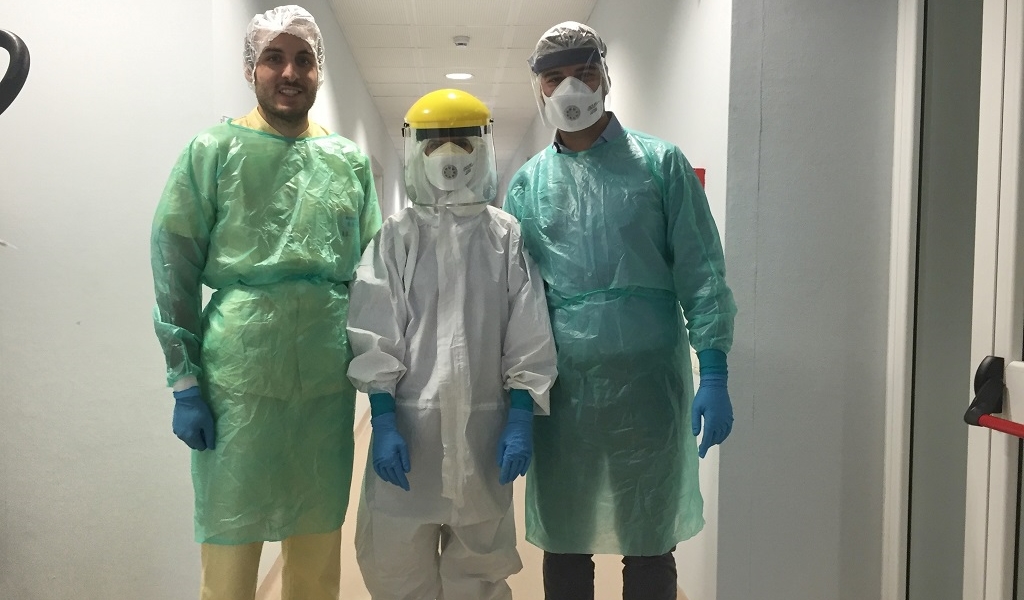
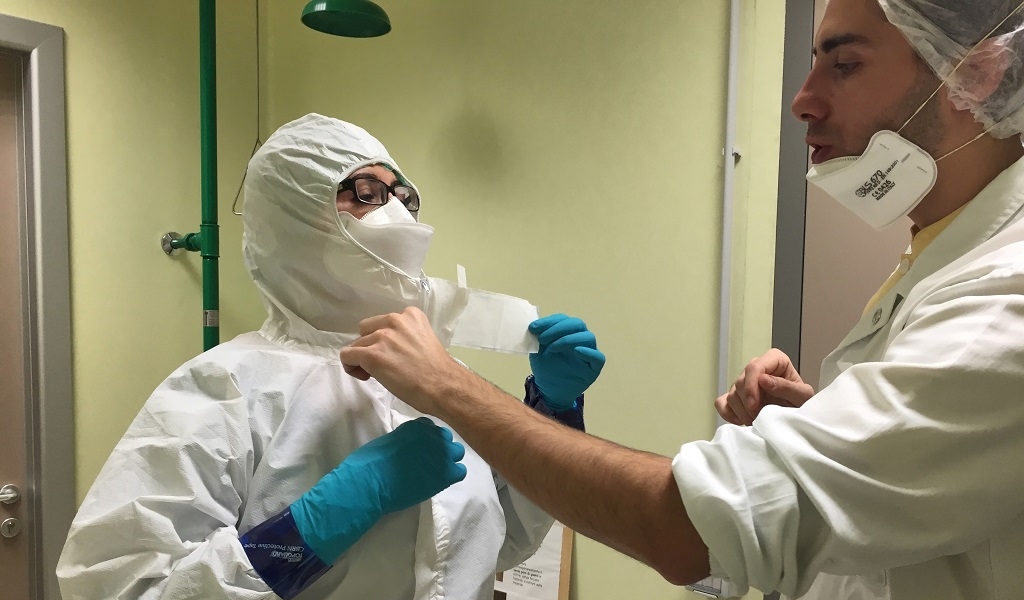
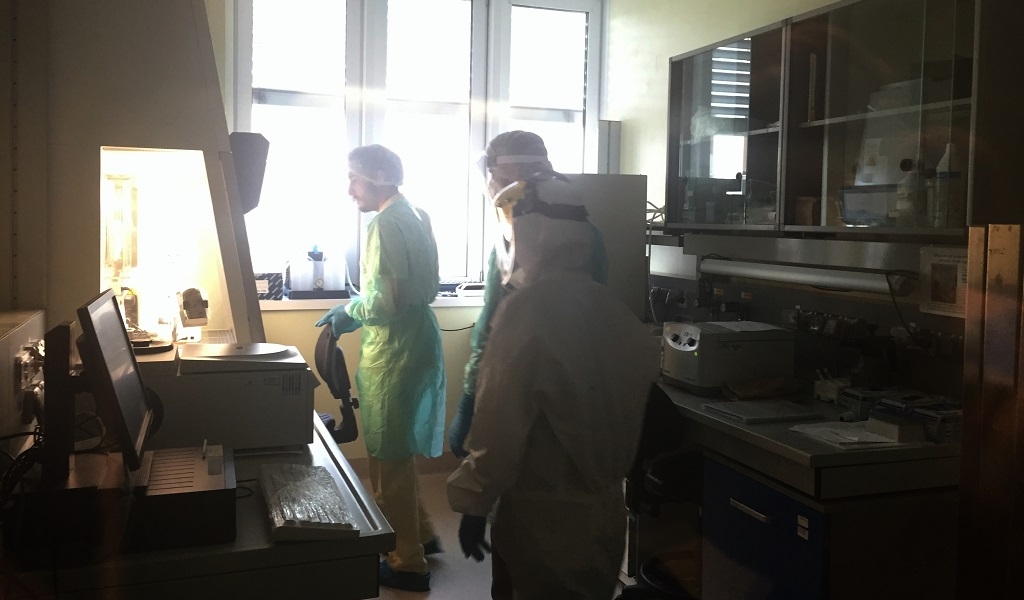
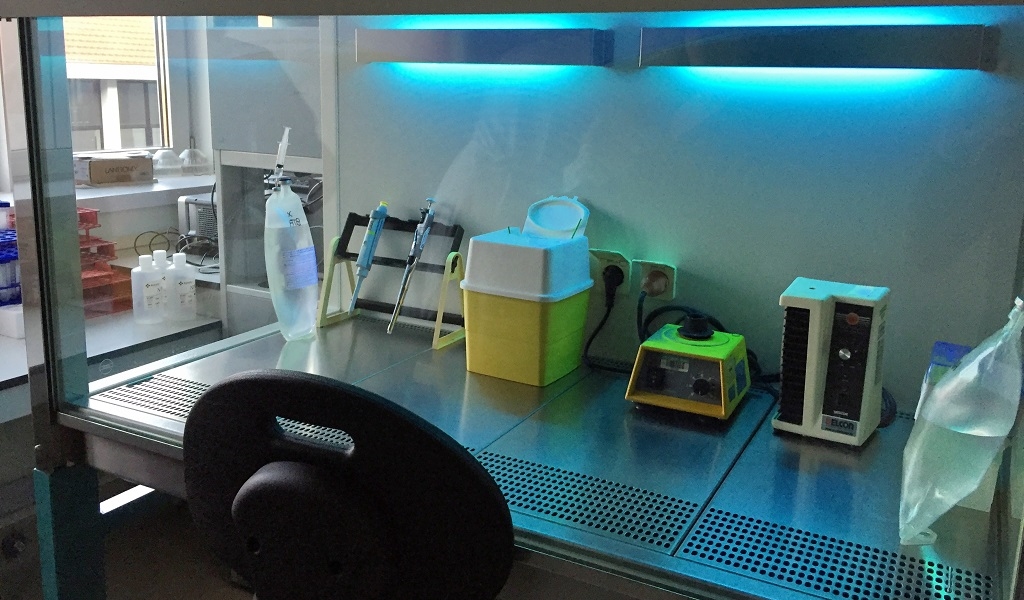
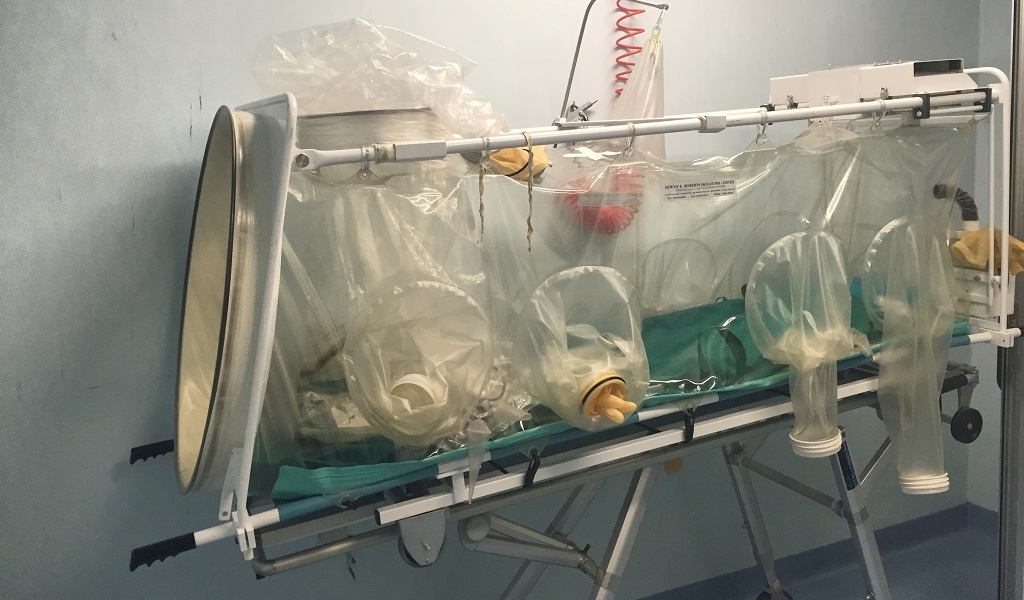
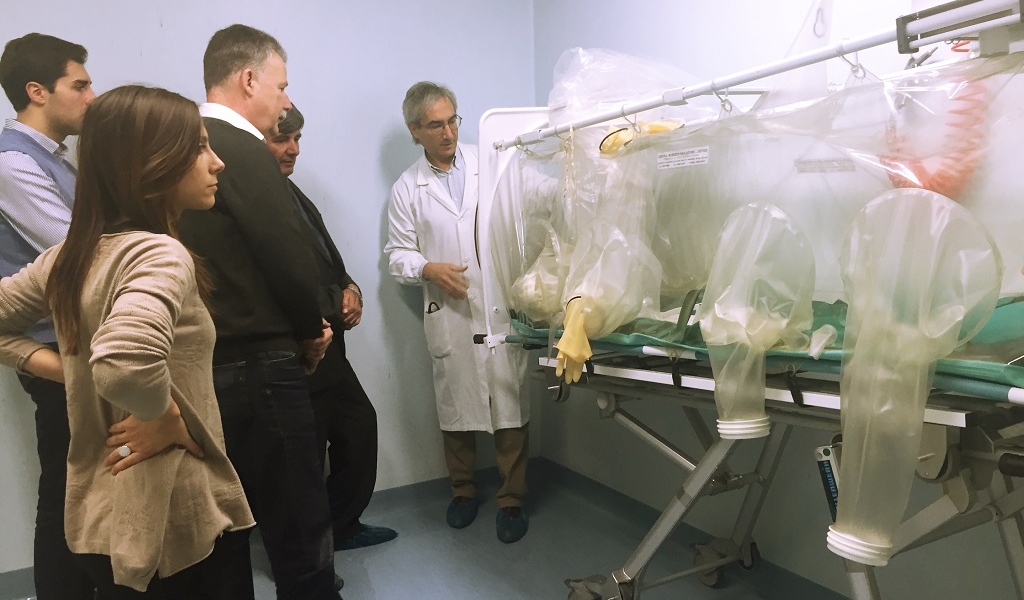
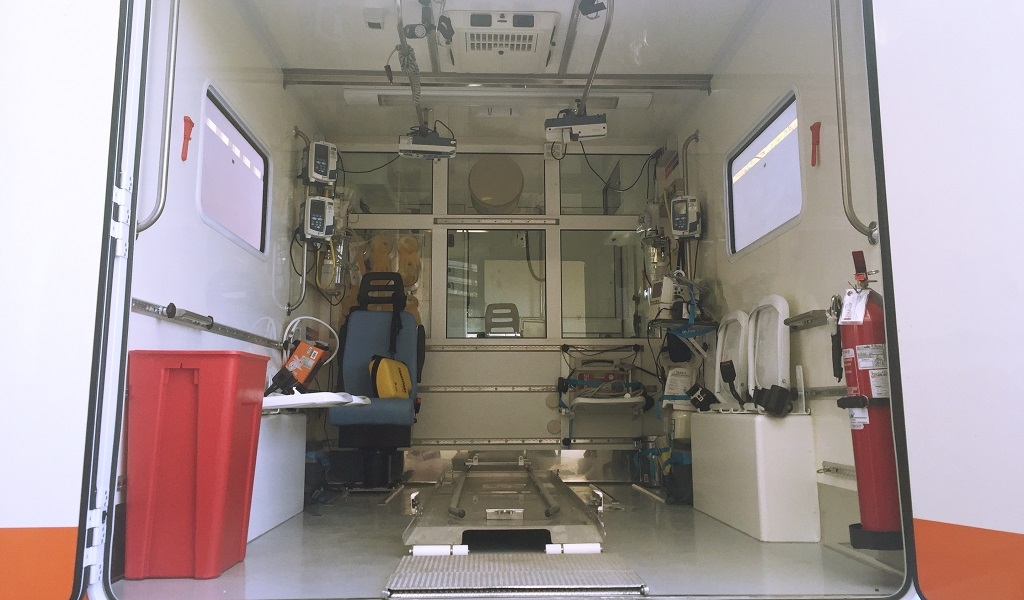
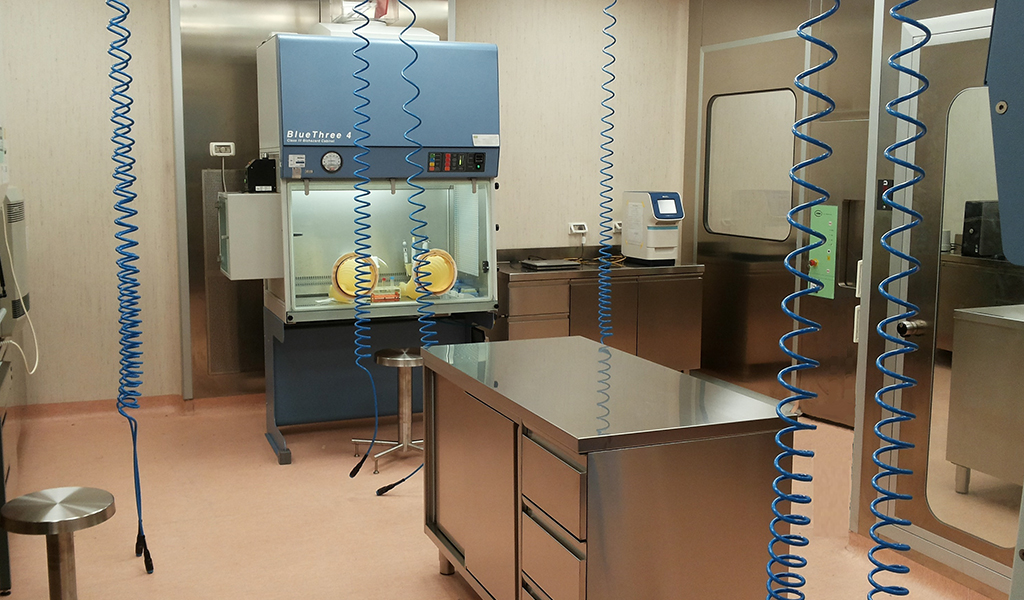
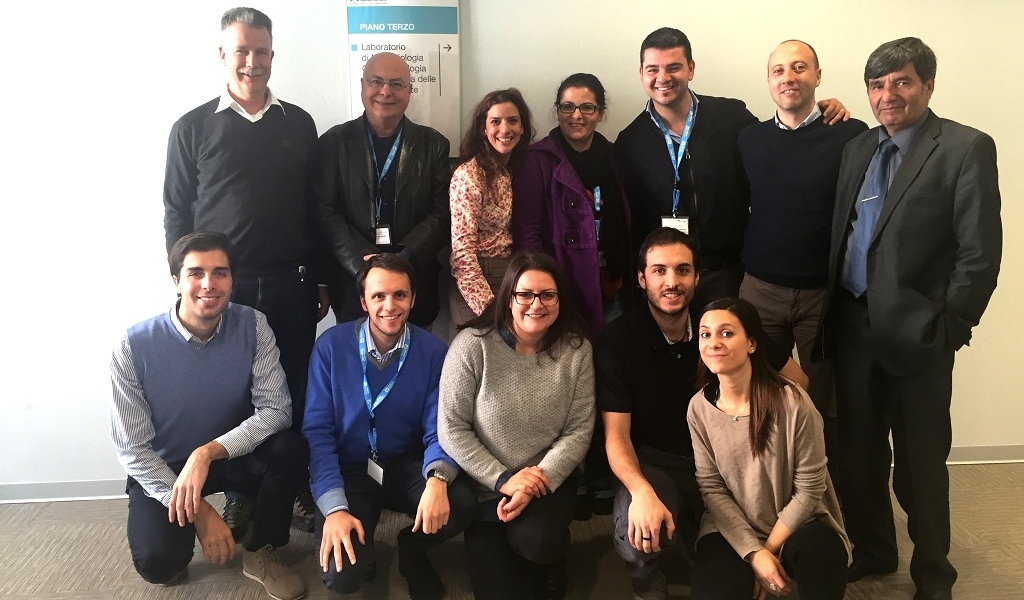
The “Laboratory Biosafety Training Course” aims at training laboratory professionals in biosafety and biorisk management according to the highest international standards, promoting the knowledge and the dissemination of these standards in Italy and abroad, with particular attention to developing countries.
The presence of about 10 (maximum) participants from all over the world is envisaged. Although candidates will have homogeneous bio-medical background, the variety of presented topics addresses the needs and interests of different professionals in the field of bio-risk management.
Good command of English is required.
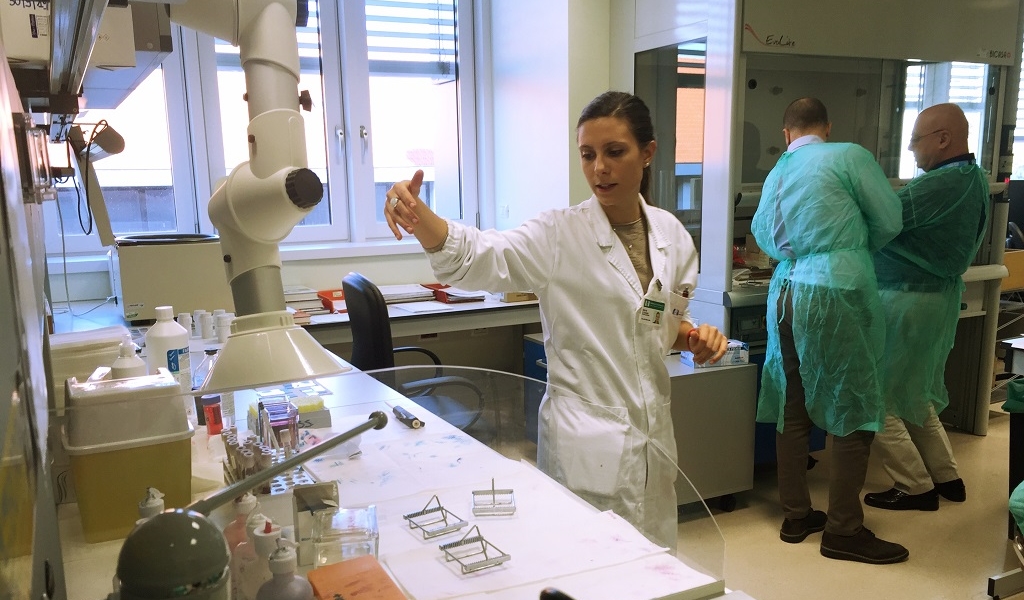
The “Laboratory Biosafety Training Course”, organized by the Chair of Clinical Microbiology (University of Milan) and by the Laboratory of Clinical Microbiology, Virology and Bioemergencies of Luigi Sacco University Hospital of Milan, will be a five-day hands-on training course. The programme offers a first complete analysis of biological risk, and an introduction on biosafety and biosecurity as sets of measures that can help manage biological risk. Then, the course will mainly focus on biosafety measures (facility design and construction, laboratory equipment, Personal Protective Equipment, Good Laboratory Practices, laboratory accidents, biohazardous waste management and regulatory aspects). The second part will offer the participants the opportunity to experiment what they have learned in the theoretical lessons with tailored exercises at our premises (BSL-2, BSL-3 and BSL-4 facilities).
INFO
Biological Safety – An Introduction
Gijsbert van Willigen
Biosafety is the application of lab practices
and procedures, specific lab facilities and safety equipment to protect
against exposure to potentially infectious material. To identify the
measures that have to be taken to work safely a large amount of information
is needed to define the biohazard of the material and the handlings
performed. In this context a biohazard is a combination of the agent of
biological origin that has the capacity to produce negative effects on
humans, plants or animals and the applications of this agent.
The lecture is an introduction into the field of biosafety and will start
with an introduction on biological agents, risk groups, infectious dose and
modes of transmission. These are all items that define the biohazard of an
agent. Also additional risk of genetically modified (micro) organisms will
be discussed. Furthermore other risk factors that are important will be
explained, ending with the basic ingredients for a risk assessment.
The second half of the lecture will focus on the mitigation of risk and the
hierarchy of control. The subjects that are important in the mitigation of
risks, such as containment, personal protective equipment etc, will not be
discussed in detail. Other lectures within the course will deal with these
subjects in more detail. Also disinfection and waste management will be
discussed from a biosafety point of view.
Learning objective:
- be able to explain biosafety and biohazard
- be able the risks of biological agents
- be able to discuss risk mitigation of biological agents
Laboratory Biorisk
Management
Martien Broekhuijsen
Biorisk is defined[1] as the combination of the
probability of occurrence of harm and the severity of that harm where the
source of harm is a biological agent or toxin. Biorisk management is a
management system to manage the biorisk in an organisation. Any organisation
that contains facilities where work is carried out with potentially
hazardous biological materials or genetically modified organisms (GMO)
should implement a biorisk management structure and policy.
A successful biorisk management system relies on commitment by the top
management and a focus on continual improvement. Biorisk management starts
with a risk assessment based on planned projects with biological agents. At
the same time, the organisation must obviously follow any applicable
legislation.
Many of the elements of a biorisk management system are also implied by
general biosafety measures. However, the management system involves a higher
level system to ensure that the organisation as a whole (top management,
middle management, and all other involved employees) is functioning in a
coordinated manner. It also implies monitoring, corrective actions, and
reviewing.
An effective management system approach[2] should be built on the concept of
continual improvement through a cycle of planning, implementing, reviewing
and improving the processes and actions that an organization undertakes to
meet goals. This is known as the PDCA (Plan-Do-Check-Act) principle.
Recently, as part of a biorisk management system, the competence of
biosafety professionals is increasingly seen as a crucial success factor.
The International Federation of Biosafety Associations[3] (IFBA) has
published a handbook “Ensuring Quality Biorisk Management Through
Certification of Professionals”.
[1]CEN Workshop Agreement CWA 15793 (2011)
“Laboratory biorisk management”.
[2]CEN Workshop Agreement CWA 16393 (2012) “Laboratory biorisk
management - Guidelines for the implementation”.
[3]http://www.internationalbiosafety.org/
Laboratory Biosafety
Martien Broekhuijsen
According to a very general definition,
biosafety is the prevention of large-scale loss of biological integrity,
focusing both on ecology and human health[1]. Related fields are ecology,
agriculture, medicine, chemistry, exobiology, and synthetic biology. Several
international treaties or conventions cover one or more of these topics. In
this lecture the term biosafety will be limited to laboratory aspects. This
is relevant for any field where potentially hazardous biological materials
or genetically modified organisms (GMO) are used in a laboratory
facility.
The main focus in such a setting is on containment and protection of
workers. Containment is required to prevent escape from the laboratory and
spread into the environment of potentially hazardous biological materials
(mainly: pathogens). A pathogen can be any infectious agent (virus,
bacterium, fungus, parasite, prion), mainly human pathogens, but also animal
and plant pathogens which can have devastating effects on agriculture,
economy, or ecology. In addition, non-infectious agents can include
biological toxins, GMO’s, or as yet not clearly defined synthetic biological
entities.
The basic approach since many years has been to define four risk levels,
referred to as risk groups 1, 2, 3, and 4, with risk group 4 being the
highest risk level. For each level, specific risk control measures are
described, including physical measures (construction, barriers, ventilation,
PPE), organisational measures (roles, functions, responsibilities,
training), administration (biosafety manual, procedures, licences,
database), and monitoring measures (validation, inspection).
Several guidelines or biosafety manuals that describe these control measures
can be found on internet, including from the WHO[2], CDC[3] (US), Canadian
government[4], and the EU[5],[6]. In addition, several countries
have national legislation or guidelines. This lecture will not focus on
these specific documents, but on the general principles of biosafety and its
implementation.
Biosafety knowledge exchange is provided by several national and
international biosafety associations, such as EBSA and ABSA.
[1] Wikipedia
(https://en.wikipedia.org/wiki/Biosafety)
[2]
http://www.who.int/csr/resources/publications/biosafety/WHO_CDS_CSR_LYO_2004_11/en/
[3] http://www.cdc.gov/biosafety/publications/bmbl5/
[4] http://canadianbiosafetystandards.collaboration.gc.ca/
[5] EU directive 2000/54/EC on protection of workers from risks related to
exposure to biological agents
[6] EU directive 2009/41/EC on the contained use of genetically modified
micro-organisms
Dual-use of biological
agents
Gijsbert Van Willigen
Dual-use good are materials that have a civilian
and a military application. Dual-use biological agents can be used in
bioterrorism. For these organisms a stringent biosecurity regime should be
in place.
In the lecture it will be explained in detail what dual-use biological
agents are and the basis why agents are classified as dual-use. The criteria
include besides the pathogenicity also other factor such a how can they be
cultured and dispersed.
Besides the wild type agent themselves, biological agents can also be
modified in the lab to become more dangerous than the wild-type organism
itself. This is called dual-use research of concern (DURC). During the
lecture types of research will be presented as examples of DURC and
published examples will be discussed.
Learning objectives:
- Be able to explain dual use
- Be able to explain dual use research of concern
- To be able to identify dual use biological materials
- To be able to identify dual use research of concern
Laboratory Biosecurity
Martien Broekhuijsen
Biosecurity has been defined in different ways,
depending on time in history, country, professional field, or context.
Nowadays and in a laboratory setting, biosecurity is mostly defined as a
combination of systems and practices to prevent malicious use of biological
materials. This is mostly in response to the recently (since 1990s)
perceived threat of bioterrorism.
Biosecurity is sometimes incorrectly interpreted to be limited to
countermeasures against intentional removal of biological materials from
laboratories. Within this limited meaning, the focus is on prevention of
illegal access to the laboratory and theft of biological materials from the
laboratory. The more general approach of biosecurity also encompasses the
aspects of dual use of biological materials, spread of knowledge (including
publications), screening of laboratory staff, awareness, and transport.
Others also include the aspect of uncontrolled spread of
facilities[1].
The WHO has published a handbook on biosecurity[2]. The Dutch authorities
have taken specific actions in developing a Code of Conduct[3] and a
Biosecurity Toolkit[4].
Biosecurity is not only a relevant topic for policy makers, law enforcement,
intelligence agencies, and security officials, but also for scientists,
technicians, publishers, and engineers. This wide scope makes biosecurity a
complex issue with sometimes conflicting interests. It is crucial that all
stakeholders communicate frequently and understand each other’s interests
and limitations.
[1]Klotz & Sylvester (2009), Breeding Bio
Insecurity.
[2]WHO Biorisk Management: Laboratory Biosecurity Guidance, 2006,
WHO/CDS/EPR/2006.6.
[3]https://www.knaw.nl/en/news/publications/a-code-of-conduct-for-biosecurity.
[4]http://www.biosecuritytoolkit.com/mainMenu.html.
Secondary barriers - Facility Design and
Construction
Antonello Fadda
Design and engineering features of biosafety
laboratories are an highly specialized and involved matter, where different
and sometimes conflicting aspects, as safety, security, environmental
protection, ergonomy and community concerns need to be addressed using state
of the art technology. Moreover this effort is often made in face of budget
restrictions and demanding regulatory procedures, which have the effect of
prolonging the design and construction phase, sometimes making obsolete the
initial specifications and starting an endless cycle of design
revisions.
The purpose of this presentation is not to discuss engineering solutions in
detail but to provide some basic tools needed to use and manage these
facilities with the highest level of safety and efficiency.
In this view the aspect of secondary containment comes out as a central one,
being needed at the higher levels of biosafety (BSL3 and BSL4) and being
characterized by technical aspects that usually are not fully understood.
The rationale of use of this containment method is explained, with a mention
to the different technical issues found at the perimeter of the containment
area. The management of air is the most challenging one, and a specialized
ventilation system is needed to cope with it. The key concept of “negative
differential pressure”, also referred as “inward direction airflow” is
explained. The general principles and problems of this approach are shown,
with the help of an example system. The presentation then discuss in greater
detail the points of special concern to the staff, relative to the HVAC
system operation. Eventually the aspect of test and controls is given due
attention, with guidelines to face the task of certification of secondary
barriers. Final remarks include the advocacy of a better communication and
cooperation between engineers and laboratory staff and managers. To this
purpose the involvement of a skilled commissioning agent may be of great
value to facilitate communication between professionals with a different
background.
Laboratory Biosafety
Equipment
Martien Broekhuijsen
Biosafety equipment is any type of equipment
that is used for containing biohazardous materials inside the biosafety
area, for preventing the spread of such materials, or for protecting workers
against contact with such materials.
The equipment typically used in laboratories has many shapes and sizes and
different levels of complexity. Perhaps the most central piece of equipment
is the biosafety cabinet, sometimes called the microbiologist’s fumehood.
However, this is an unjust description of the design of biosafety cabinets
as they do much more than a fumehood. Besides protecting the worker and
preventing spread of materials in the laboratory (or outside), they also
protect the biological materials from becoming contaminated with biological
materials from the environment or even from within the work space inside the
cabinet (cross contamination).
Several types of biosafety cabinets exist, with different properties and
adapted to different kinds of work or risk level. The proper use of
biosafety cabinets is crucial to their performance and workers need to be
trained for doing so. The placement of biosafety cabinets in a room and
connection to the ventilation system are also important factors to
address.
Other examples of laboratory equipment that plays a role in containment or
protection are centrifuges, pipettes, refrigerators, freezers, and
incubators. Not all standard laboratory equipment is suitable for work with
biohazardous materials.
Positive pressure biosafety suits with breathing air supply as used in some
BSL4 laboratories are also considered as biosafety equipment. Personal
protective equipment can also be regarded as biosafety equipment but these
are discussed in a separate lecture.
Personal Protective
Equipment
Martien Broekhuijsen
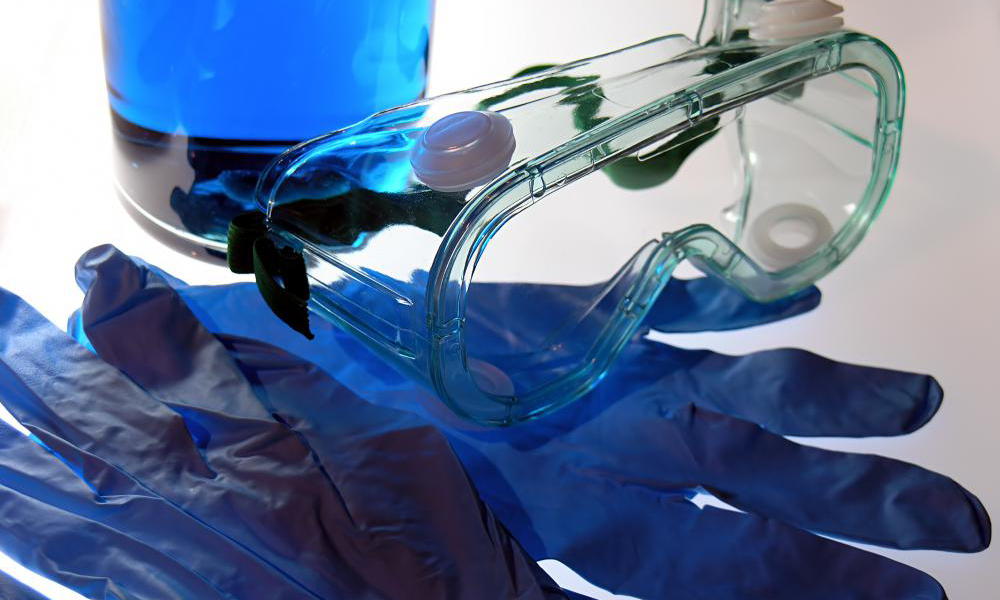
Personal protective equipment (PPE) consists of
a wide range of equipment and materials that are worn by a person in order
to protect him/her against biohazardous materials. PPE varies from basic,
simple materials to complex equipment, but is always individually used
(worn) by a person.
Examples are gloves, boots, coveralls, eye and face protection, and
breathing protection. The proper use of PPE is essential for biosafety. The
user must therefore be trained sufficiently. Training with live
agents is very effective for building confidence. Training must
include the correct donning (putting on) and doffing (taking off) of PPE.
Correct donning is important for obtaining the necessary protection level.
Correct doffing is essential for not getting infected afterwards or
spreading a biological agent beyond the hotzone.
Decontamination of a person still wearing PPE is often a standard part of
work before doffing. Usually a sequence of steps is chosen to exit from the
hotzone via the decontamination area to the safe zone. Doffing of PPE in the
correct order is part of such a sequence. Some PPE components are disposable
(e.g. latex gloves), other parts are too expensive to dispose off. Those
parts should be made of materials that are resistant against the
decontaminant in use. The material and construction of PPE should enable
easy decontamination and cleaning.
There is no standard PPE, not even for a specific biosafety level. PPE must
always be adapted to the specific work conditions and surrounding, and
especially to the particular infectious organism being handled. Knowledge of
the usual routes of infection of an organism helps in selecting the
appropriate PPE components.
PPE should not inhibit the work to be carried out. Although safety comes
first, sometimes the PPE is slightly adapted to better accommodate specific
actions during work. PPE should also not pose a high burden upon the worker,
as this might encourage a worker to not consistently using it. This relates
to weight and general comfort, but also to heat and moisture building up
inside a coverall. Breathing should be easy even under moderately stressful
work conditions.
Good Laboratory Practices
Martien Broekhuijsen
Good laboratory practices are all those methods
and procedures that in combination with other measures (e.g. physical
barriers or equipment) ensure the safe handling of hazardous biomaterials.
In several countries the most often used description is Good Microbiological
Practice (GMP), not to be confused with Good Manufacturing Practice. Other
terms used include Standard Microbiological Practice (SMP) or Safe
Microbiological Practice (also SMP).
Any biosafety procedure or biosafety equipment can be rendered useless if
the user makes mistakes or does not use the equipment properly. The correct
use of equipment and proper execution of methods by the microbiological
worker is at the core of biosafety. A proper level of education and
sufficient training are the most essential starting points for GMP.
Many international guidelines include paragraphs on GMP, such as from the
WHO[1], CDC[2], and others. International biosafety associations such as
ABSA and EBSA also publish guidelines for GMP.
GMP involves aspects such as training, peer control, procedures, SOP’s, and
other elements. Several organisations offer training courses for GMP. Many
use videos and photos to illustrate essential elements of GMP. GMP is not a
replacement for a microbiological education, it is merely an extension,
relying on a solid microbiological education as basis.
[1]
http://www.who.int/csr/resources/publications/biosafety/WHO_CDS_CSR_LYO_2004_11/en/
[2] http://www.cdc.gov/biosafety/publications/bmbl5/
Laboratory Accidents
Davide Mileto
Safety and security of work place are among the
most important aspects of the working activity. The risk assessment for the
scientific laboratory, chemical and biological, is linked with the presence
of material, procedures and hazardous factors in the daily workers’
activities. Among the different elements to be considered in a risk
assessment plan there are surely the agents, the different instruments, the
problem linked with the space limitation, aspects of
organizational-management, sometimes the lack of information, and education
and training of the staff. The combination of these factors in a laboratory
setting could be to cause of the laboratory accidents: break of tubes in a
centrifuge, projection of liquid in the eye, spill of sample, accidental
injection of a contaminated solution, the aerosol of liquid solution that
could generate a spread of agents into the laboratory environment, which
might be the cause of workers infection or contamination of various
equipment and materials, etc. A relevant problem in the context of
laboratory accidents are all infections acquired through laboratory or
laboratory-related activities regardless whether they are symptomatic or
asymptomatic in nature. This infections are defined as Laboratory Acquired
Infection (LAI) or laboratory-associated infections. Among the LAI,
bloodborne Pathogens have a relevant importance especially for the HBV, HCV
and HIV infection.
A prevention plan is mandatory to minimize the risk of accidents; for this
purpose every laboratory should perform a risk assessment in order to
evaluate the risks that could be encountered inside the laboratory. Risk
assessment must take in account every material, every procedure, workers,
environment and the different protective equipment. In the context of
laboratory accidents, personnel training plays a key role: the workers are
directly exposed to risk in case of emergency and they are the first
operators involved in emergency maneuvers.
Biohazardous Waste
Management
Martien Broekhuijsen
Biohazardous waste (biowaste) is any waste
(solid, liquid, airborn) that contains (potentially) biohazardous materials.
Biowaste is unavoidably produced in laboratories where work with
biohazardous materials is conducted. International and local legislation
contain specific guidelines for dealing with biowaste. Several manufacturers
produce equipment for destruction, containers for collection, or chemicals
for inactivation of biowaste.
Several terms are relevant in this area: Destruction, inactivation,
disinfection, decontamination, etc. All methods or procedures are aimed at
rendering the material harmless for humans and the environment, or at least
to significantly reduce the risk. Methods include incineration, chemical
decontamination, autoclaving, irradiation, and other methods.
Validation or verification of any method is important in controlling the
biohazard. Some biological materials are harder to inactivate than others.
For example, spores of Bacillus anthracis (causative agent of
Anthrax) are not affected by some methods that completely inactivate
bacterial cells. To demonstrate effectiveness, bio-indicators (e.g.
containing spores of Geobacillus stearothermophilus) can be
used.
The choice of inactivation method or the way in which biowaste is handled
greatly depends on the volume of the waste, the biohazard content (risk
level), and practical considerations including economic factors. In the end,
any method must have been validated.
If biowaste is transported to another facility for final disposal, then the
transport itself poses a risk factor which must be addressed. In such cases,
verification and chain of custody are necessary.
Legislation and
Guidelines
Martien Broekhuijsen
Legislation for work with biohazardous materials
is in existence for many years. Most developed countries have a framework of
legislation for such work at a national level, including specific
authorities and inspection bodies. Within the EU, all countries also fall
under the European biosafety legislation. The biosafety rules that apply in
the US and Canada are often considered in the EU as valuable resources for
comparison, even up to local decisions to fully implement those rules. A
laboratory or research facility that operates at an international level
should indeed do well to follow the North-American guidelines as well as the
required European rules. For a large part there is extensive overlap between
the various guidelines.
A basic distinction can be made between legislation for work with naturally
occurring hazardous biological agents (BA) and genetically modified
organisms (GMO). Although risk assessment, risk levels, and safety measures
are often comparable between work with either BA or GMO, there can be very
relevant distinctions. In the EU for example, introduction of GMO in the
environment is in principle not permitted, whereas in the US this less
difficult to accomplish.
As an example of different national legislation for BA and GMO, the Dutch
rules for work with BA or GMO fall under the authority of two different
ministries, as BA are predominantly seen as a hazard to workers (focusing on
worker protection) and GMO predominantly as a hazard to the environment
(focusing on containment). At the EU level, there are specific guidelines
for BA[1] and for GMO[2].
Specific legislation exists for transport of hazardous biological materials,
e.g. the Dangerous Goods Regulations of IATA[3]. Additional legislation
might exist for publication of knowledge, dual use, import and export, use
in environment (especially for GMO), and use in agriculture or food. Any
organisation working with hazardous biological materials should ensure that
all applicable legislation is known and implemented.
It is important to appreciate that legislation and guidelines can (and most
likely will) change over time. This can be caused by new knowledge of
biohazard, evolving insight, or newly discovered pathogens. Another example
is the consequence of the planned eradication of poliovirus, whereby the WHO
has already issued plans[4] for stricter safety rules for work with
poliovirus.
[1] EU directive 2000/54/EC on protection of
workers from risks related to exposure to biological agents
[2] EU directive 2009/41/EC on the contained use of genetically modified
micro-organisms
[3] http://www.iata.org/publications/dgr/Pages/index.aspx
[4]
http://www.polioeradication.org/Portals/0/Document/Resources/PostEradication/GAPIII_2014.pdf
Accreditation and Certification
Martien Broekhuijsen
Accreditation is the process in which
certification of competency, authority, or credibility is presented[1].
Usually, a third (fully independent) party evaluates a product, process, or
organisation against specific requirements. If compliancy is concluded, the
third party issues an official written statement (certificate) to confirm
this.
Certification is a more loose term that refers to the confirmation of
certain characteristics of an object, person, or organisation[2]. Usually
this is accomplished by some form of external review or audit. Any person or
organisation can certify a product, process, or other organisation, but the
value of the certificate issued is greatly depending on the status of the
certifying body.
Organisations that issue certificates are often in turn accredited by
official accreditation bodies. Accreditation bodies are established in many
countries with the primary purpose of ensuring that conformity assessment
bodies are subject to oversight by an authoritative body[3].
Any certification is dependent on the stated requirements. It does not state
an absolute level of competency, but rather establishes compliancy of the
product, process, or organisation with a written set of requirements.
Compliancy is not meaningful if the requirements are not clearly described.
Certification must clearly mention which requirements were evaluated in
order to confirm compliancy. In many cases certification is based on
internationally established standards such as ISO.
[1]
https://en.wikipedia.org/wiki/Accreditation
[2] https://en.wikipedia.org/wiki/Certification
[3] International Accreditation Forum (IAF), http://www.iaf.nu
Biosafety Level 2
Cristina Pagani
Biosafety Level 2 facility is applicable to
clinical, diagnostic and teaching laboratory and is suitable for work
involving agents of moderate individual risk and low community risk (eg.
Salmonella sp. Hepatitis B virus, HIV, Toxoplasma spp.).
Secondary barriers to reduce potential environmental contamination are
required, such as sinks for washing hands and waste decontamination
facility.
It differs from BSL-1 because the laboratory personnel has specific training
in handling pathogenic agents receiving annual update or additional training
as necessary for procedural or policy changes. Moreover persons who are at
increased risk of acquiring infection, or for whom infection may have
serious consequences are not allowed in the laboratory.
The access to the laboratory is limited when work is being conducted,
precautions are taken with contaminated sharp items, and procedures in which
infectious aerosols or splashes may be created are conducted in biological
safety cabinets. Personal protective equipment as gloves, laboratory coats,
goggles, mask and face shield must always be worn while in the laboratory.
This protective clothing must be removed and left in the laboratory before
leaving for non-laboratory areas.
BSL3 - Agents
Sara Rimoldi
Microorganisms are internationally classified by
a risk group (1,2,3,4).
Different microorganisms (viruses and bacteria) are reported as high
priority agents that pose a threat to national security. They can be easily
disseminated or transmitted person-to-person, cause high mortality, with
potential for major public health impact, might cause panic and social
disruption and require special public health preparedness.
For their diagnosis different methods are used: microscopy, molecular tests,
antigens and antibodies. Cell culture test is used only for viruses such as
culture is involved in the bacteria diagnosis.
BSL3 – Specificities
Alessandro Mancon
BSL 3 agents pose a risk for operators and
communities. For this reason, their manipulation requires dedicated
measures, in order to minimize the occurrence of laboratory acquired
infections and the spread in the population. Different national and
international institutions (i.e.: WHO, CDC) provide indications to properly
work with these agents.
BSL 3 facilities can serve both research and diagnostic purposes; obviously,
differences related to these aims exist, mainly concerning the use of animal
models.
BSL 3 laboratories are enclosed environments: air and fluids systems are
dedicated and not shared with other areas; moreover, only authorized
personnel can enter. Such a condition can be obtained with an engineering
planning before the construction building phase. Regarding the work in the
laboratory, specific rules indicate which standards that must be followed as
regards: Personal Protective Equipment, safety cabinets, decontamination
agents, work procedures. Also emergency situations must be considered: they
need particular measures, not adopted in daily routine activity.
In the Laboratory of Clinical Microbiology, Virology and Bioemergencies
(CLIMVIB) at Luigi Sacco Hospital, a BSL 3 facility is present: its use is
strictly related to diagnostic purpose, without any animal specificity. The
examples presented refer to clinical experience and depict a real-life
situation: Biosafety rules and indications are adapted to CLIMVIB needs and
they could differ from other institutions. However, all institutions must
meet Biosafety principles, in order to prevent personnel infections,
epidemic and/or pandemic and related panic in the communities.
BSL 4 - Agents
Romualdo Grande
BSL4 agents are infectious microorganisms
transmitted human by human by several routes from direct contact to
breathing an aerosol suspension. This infectious microorganisms are very
harmful and can cause dangerous diseases for humans due to their
aggressiveness and high pathogenicity. Moreover, up to these days, there are
no drugs, neither preventive profilaxis able to contrast the undesired
effects of these agents. Taking into account the above mentioned
characteristics of these agents, we need to answer two important questions:
how to protect the workers that and for the human society.
In Italy a list of Level 4 bioagents was licensed and defined in D.L.
81/2008, the national law ruling prevention and safety on work. American CDC
listed these microorganisms in his Biosafety in Microbiological and
Biomedical Laboratories manual and many others International Boards did the
same.
All these microorganisms are virus and all but one are etiological agents of
Zoonoses. Variola virus only is specific for man and get no animal
reservoir. It was declared extinguished in the late 70’ of the last century
but now we have strains stored in U.S.A. facilities and in other facilities
of former Soviet Union and the lasts are source of concern for a criminal
misuse.
Ebolavirus is the most famous Level 4 agent at this time. It’s a
zoonotical agent but his animal reservoir is multiple, involving different
animal species and not all are well identified.
It’s the etiological agent of the recent outbreak in West Africa with many
thousands of casualties. In spite of his zoonotic origin (in all
Ebolavirus outbreak the index case was a zoonosis) can easily
infect man to man by direct contact.
The latest outbreak of Ebola virus disease in the Guinea Gulf
countries, represents the biggest outbreak by a BSL4 agent, if we don’t
consider the Variola plagues of the past centuries.
The other Level 4 virus, by contrast, as Lassavirus, Nipahvirus,
CrimeaCongovirus have caused, until now, spotted outbreaks.
In this lesson we’ll examine the different characteristics among the virus
belonging to this pathogen class.
BSL4 - Specificities
Davide Mileto
The facilities of biosafety level 4 (BSL4) are
designed in order to manage biological agents belonging to risk group 4 and
patients infected by such kind of agents.
The main feature of this facility is related with the need to avoid the
infection of workers but also with the requirement to prevent the spread of
the level 4 biological agents into the environment.
Different international guidelines (WHO or CDC guidelines) describe all the
specificities and the correct standards of behavior to be adopted for the
BSL4 facilities.
Among them surely the need to have always almost two workers inside of the
laboratory and an external support team outside of the laboratory.
Communication between the two different teams, internal and external of the
laboratory, is mandatory in order to monitor all the different steps and
procedures and to act in case of emergency. Laboratory protective clothing
must be of the type with solid-front or wrap-around gowns, scrub suits,
coveralls, head covering and, where appropriate, shoe covers or dedicated
shoes. All the personal protective equipment must be decontaminated before
being disposed of. The complexity of the structure makes it mandatory to
organize periodic training also to cope with accidents or illnesses.
Different technical features are need for the BSL4 laboratory.
A negative pressure system inside the laboratory guarantees the primary
containment. This condition is also provided thanks to the system of
interlocked door necessary to enter and exit from the laboratory. The
biosafety cabinet of level III are used inside of the laboratory and
supplies and materials are introduced through a double-door autoclave or
fumigation chamber. A HEPA filter system cleans incoming and outgoing air
flows including the air flow need to work with the positive pressure suit.
All effluents from the suit area, decontamination chamber, decontamination
shower, or class III biological safety cabinet must be decontaminated before
final discharge. Emergency power and dedicated power supply lines must be
provided.
Please download here
the registration form
Via G.B. Grassi 74
20157 Milano
Railroad link
Stop Milano Certosa (4 km distant to L. Sacco University Hospital)
-Suburban line S5 (Varese – Treviglio )
-Suburban line S6 (Novara – Treviglio)
Trams
-Line 12, 19 (end of line in front of L.Sacco University Hospital)
www.atm.it
www.trenord.it
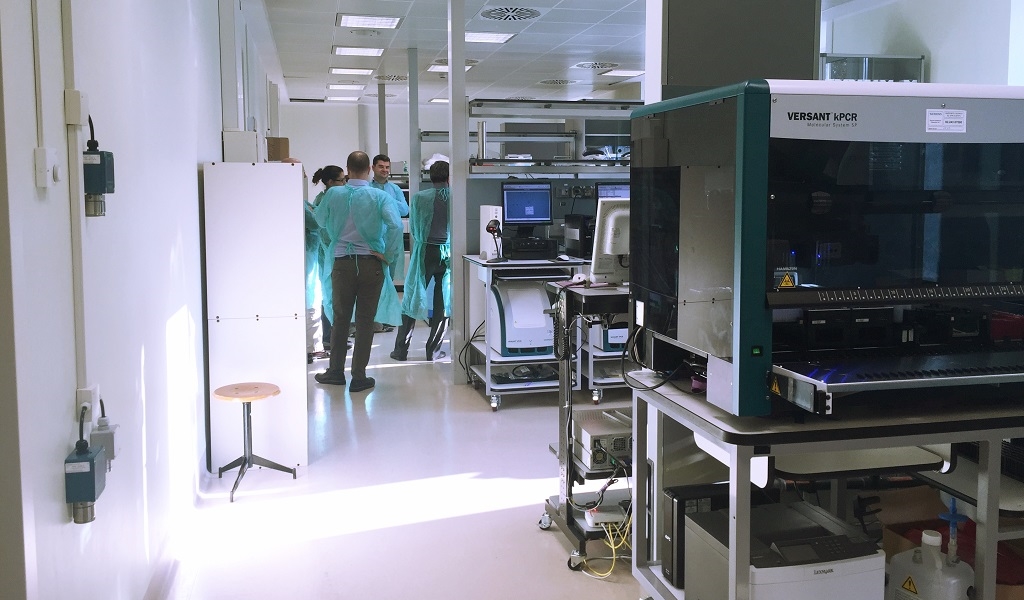
The course will take place at the Laboratory of Clinical Microbiology, Virology and Bioemergencies, of L. Sacco University Hospital, headed by Prof. Maria Rita Gismondo. The laboratory includes BSL2, BSL3 and BSL4 facilities fully equipped not only for diagnostic purposes, but also for training and hands-on educational modules.

