
2015 EDITION

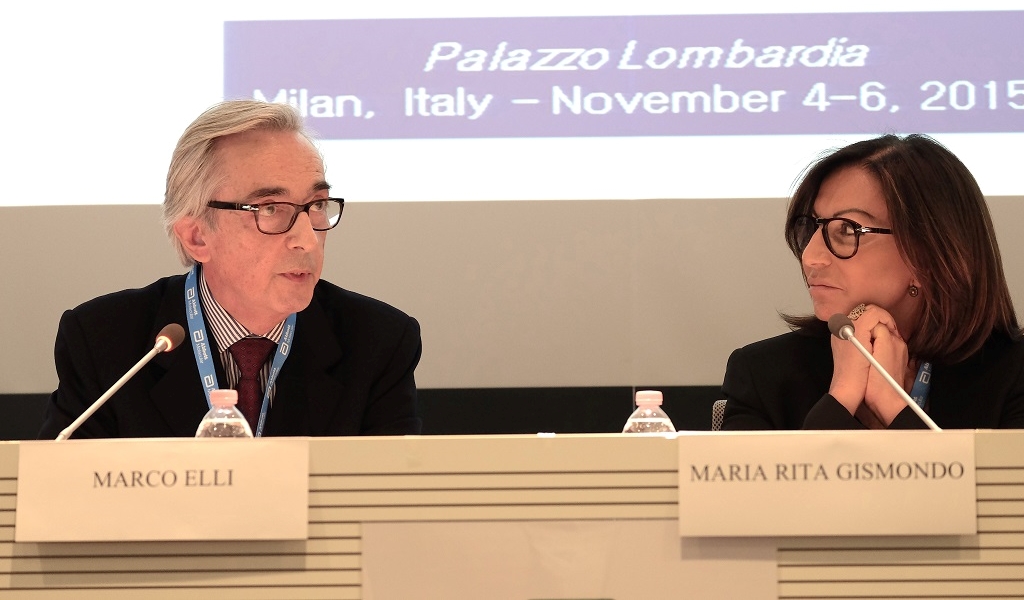
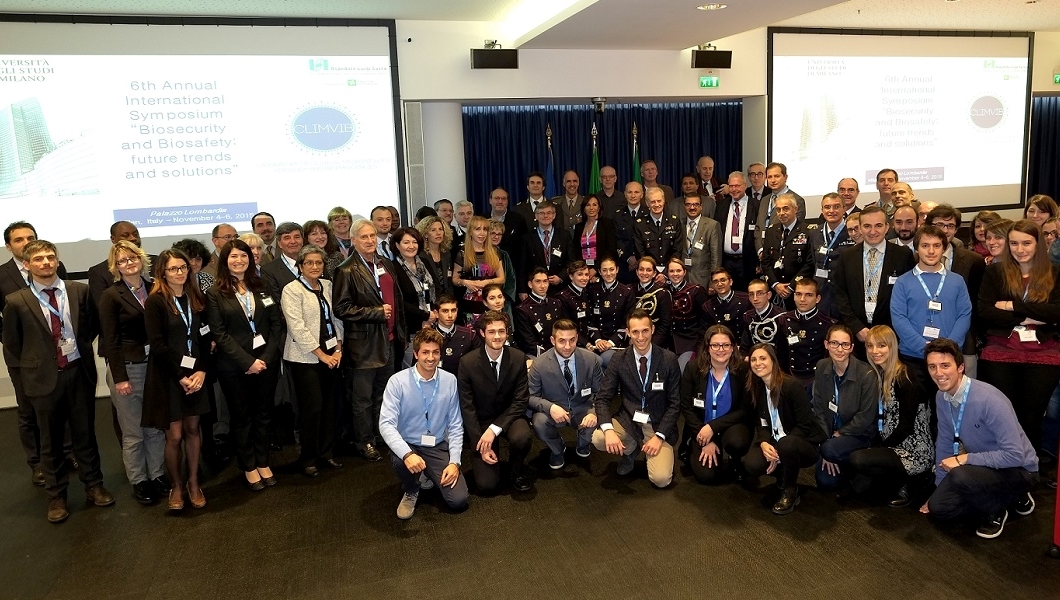
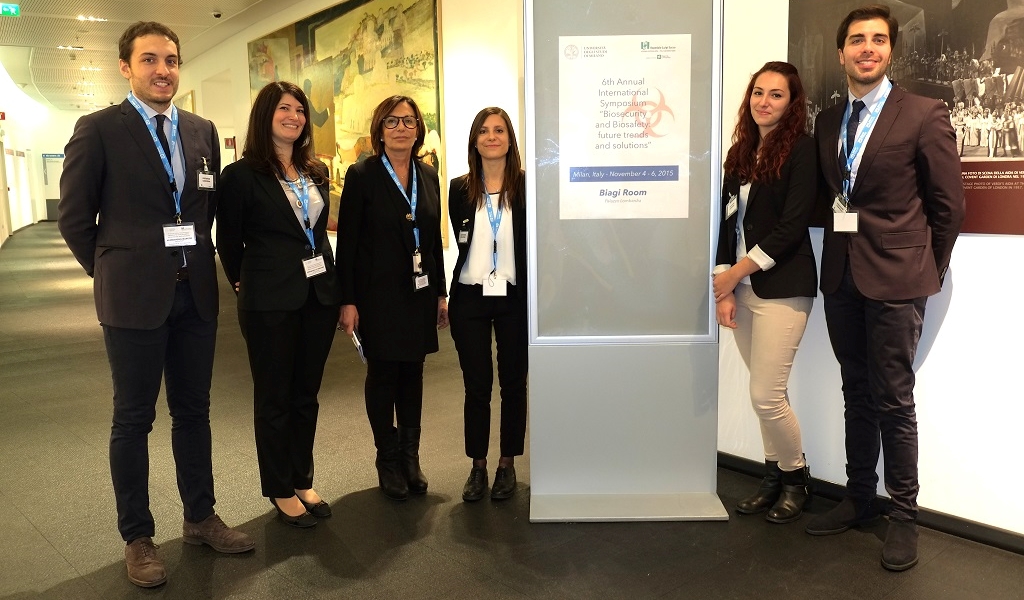
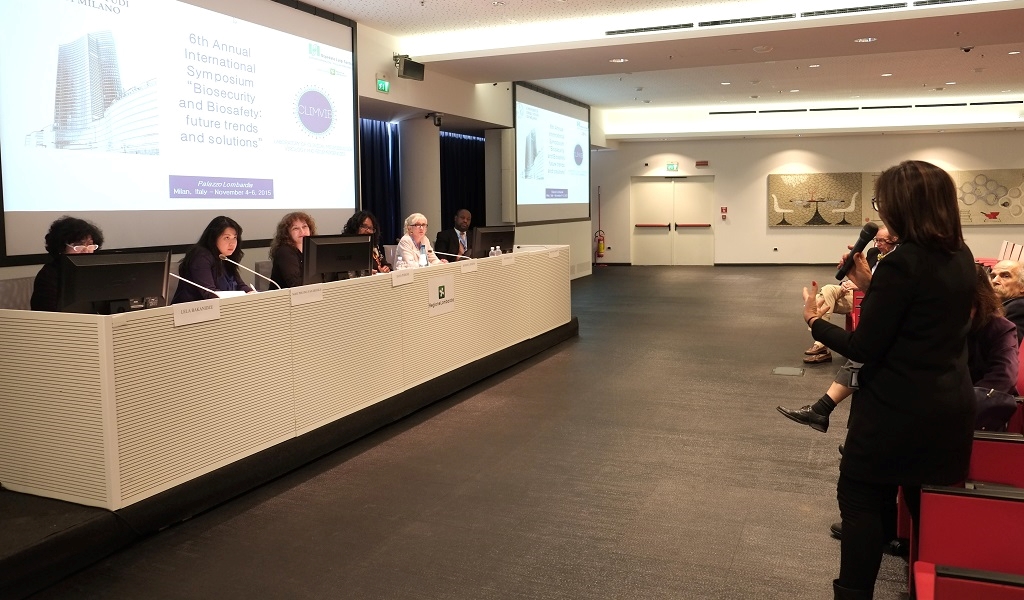
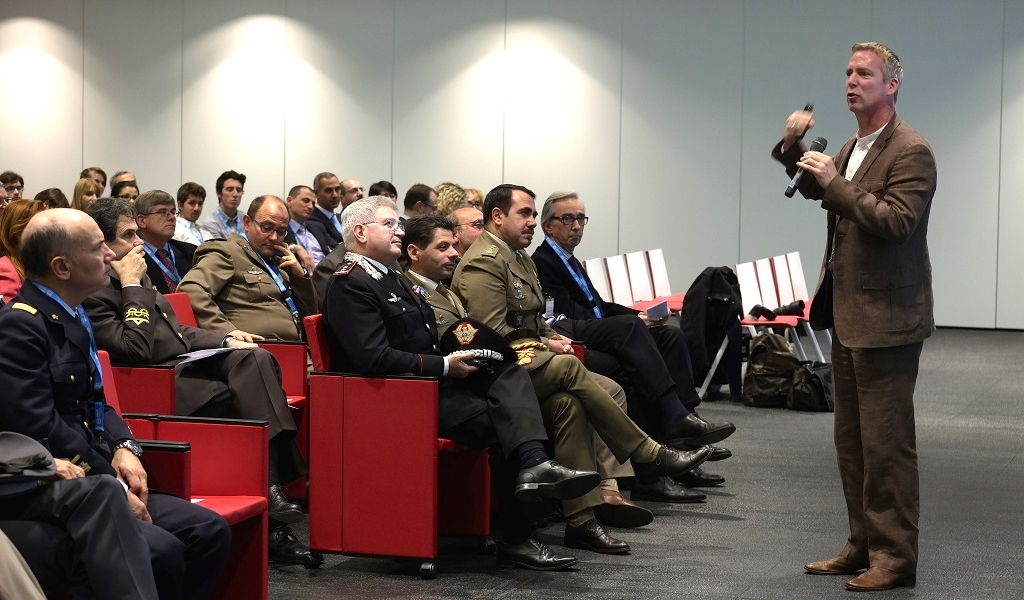
On behalf of the Scientific Committee, I’m pleased to announce the 6th “Annual International Symposium on Biosafety and Biosecurity: Future Trends and Solutions”, to be held at Palazzo Lombardia, Milan (Italy) from November 4th to 6th, 2015.
Prof.
Maria Rita Gismondo
President Annual International
Symposium
PHOTO GALLERY

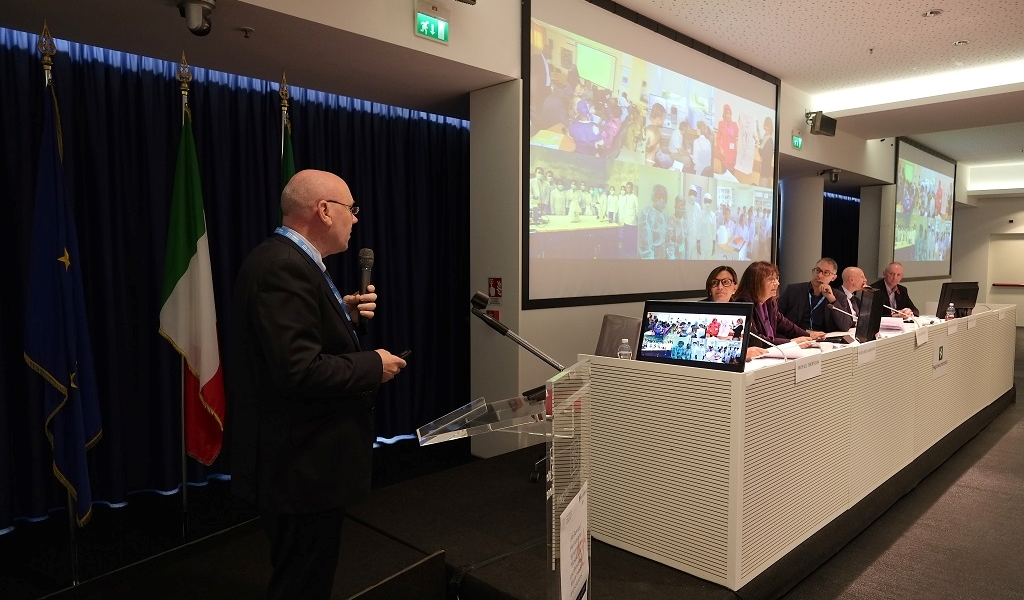
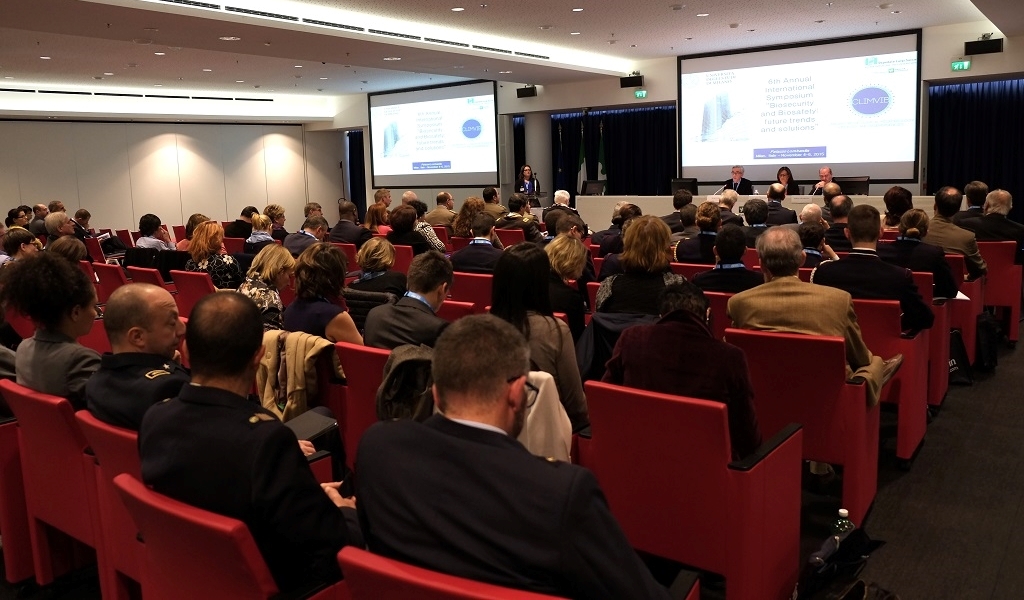
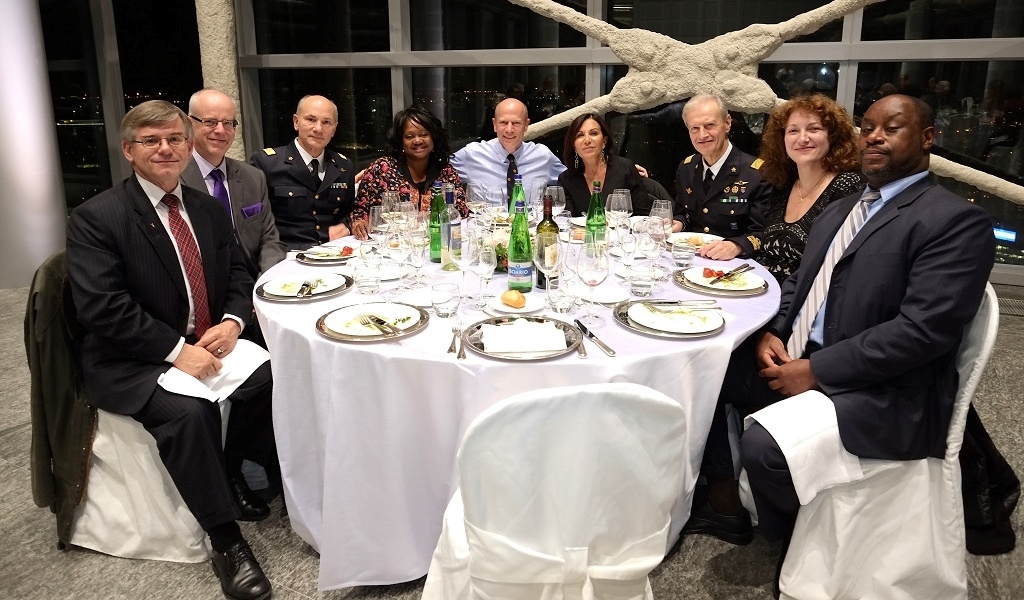
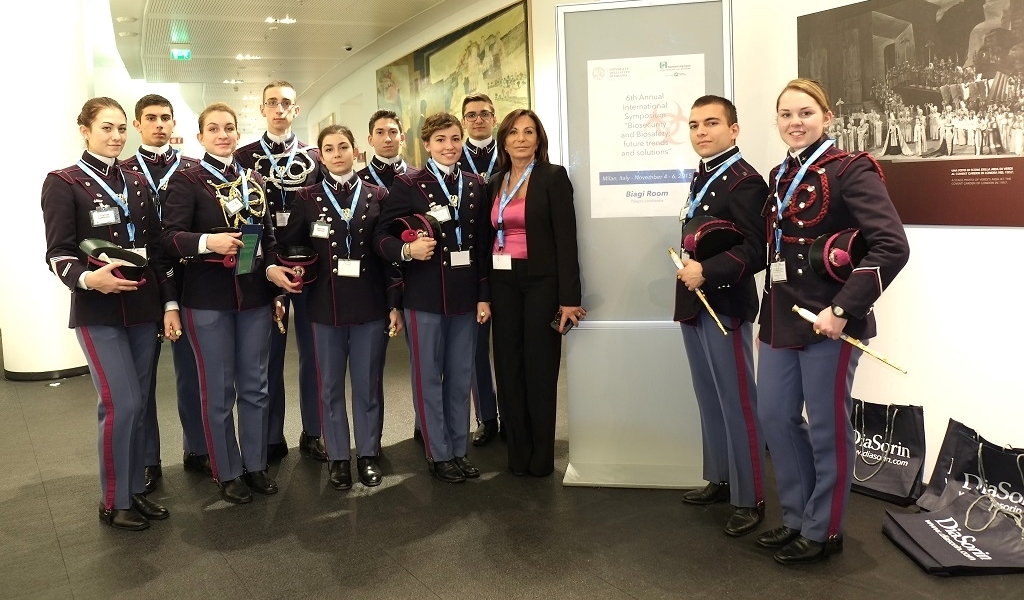
INFO
Please download here the Scientific Programme
TOPICS
1. Enhancing Biosafety and Biosecurity: overview of current national and international efforts to strengthen biorisk management and foster multi-sector security awareness
2. Emerging Life Science Technologies: Synthetic biology, biology-chemistry convergence, dual-use research of concern
3. Biosecurity Countermeasures: vulnerabilities/threat assessments, mitigation strategies, enforcement of legal frameworks
4. Trends and Updates on International Agreements and Frameworks
5. Biosafety and Biosecurity Culture: sharing national experiences and lessons learned
6. Women as Agents of Positive Change
in Biosecurity: promoting the participation of womenin the
fields of arms control, disarmament, WMD
non-proliferation, and biosecurity
5. Environment and Waste Management
6. Combining International Projects and Local Needs
7. Ebola: lessons learned and future perspectives
PRESIDENT
Maria Rita
Gismondo
MEMBERS
Ali Atoui (Lebanon)
Lela Bakanidze (Georgia)
Maurizio Barbeschi (Switzerland)
Sriwanthana Busarawan (Thailand)
Isabelle Daoust-Maleval (France)
Toon De Kesel (Belgium)
Bruno Dupré (France)
Maureen Ellis (Canada)
Emanuele Farruggia (Italy)
Abdelkarim Filali-Maltouf (Morocco)
Kathleen Eggleson (USA)
Bassam Hayek (Jordan)
Bonnie D. Jenkins (USA)
Christopher Kramer (USA)
Francesco Marelli (Italy)
Maurizio Martellini (Italy)
Alicia Mignone (Italy)
Piers Millet (Switzerland)
Uwe Mueller-Doblies (UK)
Dana Perkins (USA)
Giovanni Rezza (Italy)
Scott Spence (New Zealand)
John Tagaswire (Uganda)
Terence Taylor (USA)
Adriaan van der Meer (Netherlands)
Andrew C. Weber (USA)
HOW TO REACH PALAZZO
LOMBARDIA
Address
Piazza Città di Lombardia, 1
20124 Milano.
Railroad link:
- Stop Repubblica or Garibaldi
Underground:
- Green Line 2 – stop Gioia-Palazzo
Lombardia;
- Yellow Line 3- stop Centrale F.S. or
Sondrio
Buses:
- Line 43, 82
Railway station:
- Milano Centrale or MilanoPorta
Garibaldi
www.atm.it
You can book your accomodation here
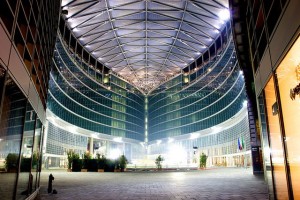


Palazzo Lombardia
is now officially the Lombardy regional government’s new
home.
Many people have worked hard to accomplish
this ground-breaking public building - one that employs
leading-edge construction techniques and building solutions to
save energy, protect the environment and enhance quality of
life.
The aim is for this new headquarters to boost
the role of the institutions as a direct partner for
citizens, putting people first and
promoting beneficial cooperation.
Architecturally,
Palazzo Lombardia has been designed to act as a locus for relationships
and bring people together.
As an open and transparent
space, alongside its administrative functions it has been
built to host cultural activities, events of interest to the public,
entertainment and concerts.
It is the institutions’ hope that Palazzo Lombardia may serve as a veritable “home for the people of Lombardy”, a living embodiment of the principal that underpins everything the Regional Administration does: returning sovereignty to citizens, families and social groups.
Wednesday, November 4, 2025
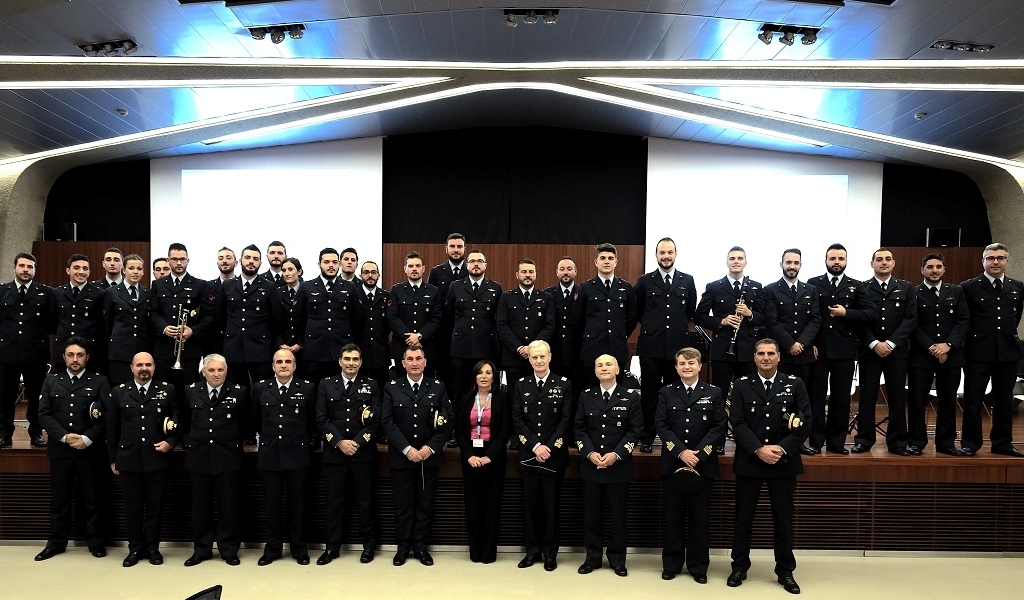
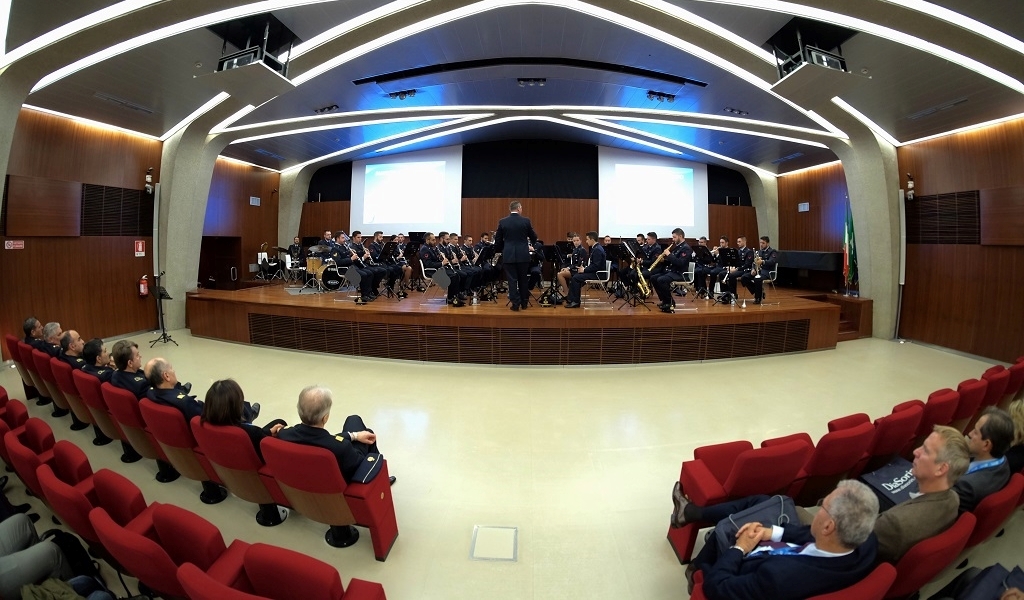
06.00 pm Concert performance of the “Fanfara del Comando della 1ª Regione Aerea” (Auditorium Gaber, Palazzo Pirelli)
07.00 pm Welcome Cocktail (Auditorium Gaber, Palazzo Pirelli)
Thursday, November 5, 2025
08.00 pm Social Dinner (Terrazza Lombardia, Palazzo Lombardia, Building 1 - N1)
Sponsor and Exhibitor Information
Biosafety Symposium enables companies and other organizations involved in biosafety to connect with leaders and decision makers from across biosafety and biosecurity community. The Symposium provides the venue to feature the availability and value of biosafety products and services, and to gain the attention of people who make the crucial decisions in their selection and procurement.
The event will bring together more than 150 biosafety professionals, biocontainment facility managers and laboratory scientists from government facilities, universities and the private sector. It will feature presentations and posters on an array of biosafety topics, including microbiological techniques, laboratory facilities and equipment, biosafety and biosecurity measures, and infectious diseases.
All sponsors will:
• be featured and acknowledged in the Symposium
signs, promotional materials, and program, with specific signage and
recognition at the event you are sponsoring
• be given one free conference registration
for your personnel to attend and participate in all Symposium
activities, which includes banquet tickets
• act with the other sponsors and exhibitors
as host of an opening reception in the exhibit area.
• be given exhibition stand in close
proximity to the events, refreshment areas and social activity of the
Symposium.
Sponsorship Opportunities
Social dinner
Lunch
Coffee Break
Congress folder-abstract books
Exhibition space
€ 3000 + IVA 22% for each area 3×3 mts
ABSTRACTS & SLIDES
Lela Bakanidze
Agricultural University of Georgia. Nonproliferation Programs Manager, Tbilisi
(Georgia)
 Georgian Life
Scientists: Awareness on Conducting Responsible Research
Georgian Life
Scientists: Awareness on Conducting Responsible Research
Life sciences have experienced enormous growth over the last 30 years, as
biotechnology has become exactly that field that can offer tremendous promise
for meeting many of 21st century challenges. But at the same time is increasing
the threat that the same biotechnologies can bring the mankind unprecedented
damage. Scientists, when planning scientific work, must take into account dual
use nature of biotechnologies, when the results of their studies, methodology,
etc. can be explored indecent purposes. Recently the term “responsible science”
was introduced, it implies is a comprehensive review of factors that influence
the integrity of the research process. Research institutes, diagnostic and
clinical laboratories, regional reference laboratories, medical facilities, and
many other private laboratories and facilities in Georgia working on biological
materials, components and their derivatives, are not supervised and controlled
on compliance with biosafety standard provisions, thus creating possible risk
for occupational health. This is compounded by a pervasive deficit in biosafety/
biosecurity management, a lack of accountability on risk assessment, a low level
of biosafety/biosecurity awareness for scientists and technicians working in
these environments. Although no statistic data exists related to occupational
damage within the institutions; we suppose that situation would not be enviable,
since the country has neither a strong biorisk management culture nor a critical
pool of specialists with specific biosafety education. Yet there are no high
education institutions delivering course on topics such as biosafety/biosecurity
and neither a course nor a lecture on more specific issues such as bioterrorism
& dual – use of life sciences. Although some of medical institutes and
universities provided a course in bioethics, the focus is on matters of the
medical ethics, and patients’ rights. We had developed a course in “Basics of
Biosafety and Ethics in Life Sciences”, which will shortly be introduced at the
curricula of the life sciences direction of the Agricultural University of
Georgia and Tbilisi State Medical University. Besides, we plan to conduct short,
1 – week long courses for scientists already working in the field of
biotechnologies.
Richard Cheslock
Ecoltecnica srl. Project Manager, Milan (Italy)
 High Volume Medical
Waste Treatment: Problems, Proven Solutions & Future Ideas
High Volume Medical
Waste Treatment: Problems, Proven Solutions & Future Ideas
The initial project began in 2007 with our introduction to treatment of
medical waste. The project was unproven at the designed volumes. Much of the
equipment had to be adapted and modified to properly treat medical waste.
Careful and specific measures were instituted. Finally proper processing was
accomplished both meeting process objectives and respecting the approved time,
temperature and pressure requirements established by the regulations to
successfully treat the waste. Many lessons were learned and applied to our
second phase of a modified and improved process. The second phase objective was
to increase capacity and respect the regulations. From the lessons learned in
our first phase we needed bigger and reliable processing equipment. Again much
equipment had never been used for the treatment of medical waste. The start-up
of the second phase was April of 2013. Again there was another learning process.
Modifications and improvements were made. And today the capacity has almost
doubled.
The final objective is to understand what is required beyond. Improvements from
the source collection methods to maybe an improved process technology. Finally
the disposal of the treated waste must be completely made into an acceptable
recycle product.
Pietro Costanzo
FORMIT Foundation. Project Manager - Researcher, Rome (Italy)
 Transferring
Knowledge: an International Case Study
Transferring
Knowledge: an International Case Study
It was back in 2000 when the United Nations Millennium Declaration
emphasizes the will to protect the future generations by protecting the
environment: «We must spare no effort to free all of humanity, and above all our
children and grandchildren, from the threat of living on a planet irredeemably
spoilt by human activities, and whose resources would no longer be sufficient
for their needs».
In this view, one of the top concerns of contemporary societies is the
management of waste and, due to the multifaceted implications and the specific
environmental problems, in particular the management of hazardous waste.
The project “Knowledge development and transfer of best practice on chemical and
biological waste management”, implemented in 2013-2014 by the Italian consortium
made by Fondazione FORMIT and L. Sacco University Hospital, within the framework
of the EU CBRN Centres of Excellence initiative, dealt with long and complex
cycle needed for a correct and sound hazardous waste management, creating a set
of training tools aimed at facilitating knowledge development of chemical and
biological laboratories. In particular, the project studied how hazardous
chemical and biological waste is produced, collected, processed or disposed and
monitored within laboratories. The project team cooperated with Institutions
from Brunei, Cambodia, Indonesia, Lao PDR, Myanmar, Philippines, Singapore,
Thailand, Viet Nam, thanks to a consultation process aimed at a bottom-up
definition of training needs and preferences, also taking advantage of the
valuable support of UNICRI and EU teams.
The project produced a “Handbook on chemical and biological waste management”,
and training courses and workshops were held in the participating Countries,
with the involvement of about 70 different organizations and 230 laboratory
managers and staff. A key success element in such actions was an inclusive
decision process, ensuing activities were tailored to local preferences.
Project results were appreciated by local and international stakeholders, and
also requested by Countries from other CoE initiative regions; moreover, project
approach and results were presented as possible good practices during a side
event to the Meeting of States Parties of the Biological Weapons Convention, at
the Palais de Nations in Geneva.
The challenging and stimulating experience of the project provided several
lessons to be learnt: at the top of them, a flexible approach in the
implementation of the actions is key to build up a fruitful and close
relationship with participating Countries stakeholders, as they are a core value
for the success and sustainability of the cooperation efforts. Several points
remain open towards future actions, looking at the possibility, and the actual
opportunity for European society, to engage in cooperation actions with third
Countries, looking for a deeper mutual political, scientific and societal
understanding in the sensitive field of public safety and security.
Maureen Ellis
International Federation of Biosafety Associations (IFBA ). Executive Director,
Ottawa (Canada)
 Natural Outbreaks &
Biosecurity: An Ebola Case Study
Natural Outbreaks &
Biosecurity: An Ebola Case Study
The recent outbreak of Ebola hemorrhagic fever in West Africa evolved
into the largest, most severe and complex outbreak in the history of the
disease. The degree of suffering and scale of impact demonstrated by this
outbreak raises questions that terrorists may seek to use the outbreak to their
advantage and use the Ebola virus as a powerful weapon of mass destruction. With
increased accessibility to the virus in the field, and a history of terrorist
attacks in the area, the potential that someone with malicious intentions could
access the virus cannot be ignored. While some experts highlight the
unlikelihood of a bioterrorist attack using Ebola, this should not prevent those
responding to the outbreak from implementing biosecurity policies and practices
to prevent the virus from getting into the wrong hands.
Steps need to be taken to raise awareness among frontline workers and officials
of the benefits of biosecurity and that a complex and sustained Ebola outbreak
creates circumstances in which individuals with malicious intent may have
increased access to the virus. Given the complexity of the outbreak response in
the field, and with resources already stretched, how can biosecurity be
effectively implemented on the frontlines? What are the risks of samples being
stolen or diverted into the hands of terrorists for malicious use? Response
teams are struggling to cope with critical infection control and biosafety
practices; how can we advocate for additional biosecurity measures without
placing an undue burden on them? The solution lies in technically sound,
locally-relevant and practical measures that balance the need for effective
biosecurity while not overemphasizing the threat. Biosecurity measures should be
built with local cultures and communities, be creative, be flexible and be
adaptable to the evolving situation during an outbreak. A multisectoral approach
involving governments, international agencies, local communities and
non-governmental organizations is critical to build biosecurity capacities and
inform biosecurity best practices in an outbreak setting. Efforts should build
on existing biosecurity, biosafety and biorisk management networks at the
national, regional and international levels. Multidisciplinary teams preparing
for and responding to an outbreak should include individuals with biosecurity
and biosafety expertise. Competencies of each member of the team need be defined
such that each individual have a precise idea of what needs to be accomplished
in the field. The IFBA is currently defining competencies for biosecurity
professionals with supporting education programs being provided by national and
regional professional associations worldwide.
 Women’s Critical
Thinking & Cultural Competency
Women’s Critical
Thinking & Cultural Competency
Like most professions in the 21st Century, the field of biosafety is
rapidly evolving. The IFBA was originally established in 2001, a time of
unparalleled change and challenge for the biosafety profession. Since that time,
personal participation by individuals, including many women, from around the
world in meetings and conferences has established a feeling of community and set
the foundation for lasting relationships. We are now better able to communicate
and collaborate with each other as we face advancements in technology affecting
the daily work of biosafety professionals.
Most significantly, we have witnessed a shift from a once dominant biosafety
knowledge profession towards a risk-based approach where flexibility, ingenuity
and critical thinking by biosafety professionals lead to sustainable and
affordable biosafety solutions. Biosafety professionals spend much of their
career making important judgements and if we support women to be good critical
thinkers, the outcomes of their services will be better. As the IFBA looks to
the future and its new 5-year strategic plan, it too must evolve accordingly by
not only advancing knowledge of biosafety content but also promoting teaching
processes of how to think. This new era of learning to learn is particularly
relevant for new biosafety professionals joining our global community who must
be able to apply and evaluate critical thinking skills in an ever-changing
biosafety workplace.
Jo Husbands
National Academies of Science, Engineering and Medicine. Research Manager,
Washington DC (USA)
 “Responsible
Science” as Part of the Foundation for Biosecurity Culture
“Responsible
Science” as Part of the Foundation for Biosecurity Culture
A robust biosecurity security culture will need to include facilities
from different levels and sectors of government, industry, and academia (public
health, basic and applied research, biodefense, etc.). This presentation argues
that the initial outreach and engagement strategy should be based on broad
concepts that will be meaningful to the wide array of relevant stakeholders.
Such concepts are not a substitute for addressing biorisk and security issues.
They are how one opens the door, how one begins the conversation that leads to
discussions of safety and security. Such concepts should be compatible with
security-focused education and training for more specialized, directly affected
audiences. They should also complement legal and regulatory structures as well
as voluntary measures, and provide a basis for discussing additional measures or
changes in practices.
For the last several years a number of organizations engaged in biosecurity
engagement and outreach, including the U.S. National Academy of Sciences, have
had substantial success in using concepts from the social responsibility of
science to provide that context. “Responsible Science” offers the opportunity to
present security culture as a component of an existing culture of responsibility
in the life sciences (and science more generally). By building on something that
can be presented as already part of the broader culture of science, it “makes
scientists part of the solution, not part of the problem.” This would be
important under any circumstances, but is particularly so as the focus of threat
reduction activities has shifted away from dismantling former weapons programs
to the prevention of terrorism, an activity that requires the support of
scientists and technical personnel who are not themselves considered potential
security risks. Security can also become part of the discussions of responsible
conduct of science and research integrity that are accompanying the continuing
global diffusion of research and industrial capacity in biotechnology. This
recognizes the great hopes being invested in biotechnology while allowing a
focus on how to ensure that the new capacity is developed and managed in ways
that support safety and security. The presentation will develop this argument
with specific examples from programs and also cite the recognition the approach
is receiving nationally and internationally.
Adil Ismail
National Public Health Laboratory (NPHL). Consultant-Advisor, Khartoum (Sudan)
 Developing
Biosafety and Biosecurity Capacity through Partnership: a Promising
Model
Developing
Biosafety and Biosecurity Capacity through Partnership: a Promising
Model
The aim of the presentation to highlight a Promising
Model; German-Sudanese Partnership Program for Excellence in Biological and
Health Security Strengthening Biosafety &Biosecurity.
On 14th of September 2014, the German-Sudanese Partnership Program for
Excellence in Biological and Health Security was launched in an official opening
ceremony in Khartoum, Sudan. This new cooperation is an expression of a recently
intensified collaboration between the Sudan and Germany.
Joined meetings for technical individuals from both side conducted for 2 days to
develop Action plan with time frame and coordination team appointed from both
side as well as the area of capacity development designated as follow (Awareness
Raising, Biosafety&Bisecurity, Surveillance, Detection and Diagnostics and
Networking). The key Partnership Drivers Sudan side: Federal Ministry of
Health(Epidemiology Department- Health Promotion Department), National Public
Health Laboratory, German Side: Robert Koch Institute (RKI)- GiZ.
Two B&B ToT workshops out of 6 planned workshops series were conducted, include
14 participants from different institutions and acquired knowledge implemented
at institution level in between the workshops.
Three workshops out of three planned workshops were conducted in the area of
laboratory networking and agreed network waiting for approval from
undersecretary council, FMOH.
Training course for 3 weeks hold at RKI for 4 Sudanese participants in
laboratory diagnosis of highly pathogenic viral infections as well as one hold
at NPHL and Central laboratory includes 6 participants. Twelve participants from
NPHL trained on Glove box machine.
KAP study for B&B conducted to identify the gaps in knowledge, attitude and
practice, report not finalized yet.
The German- Sudanese Partnership program for Excellence in Biological and Health
Security not only aim to minimizing biological security risks, such as the
outbreaks of highly pathogenic infectious diseases, whole Sudanese health care
system will benefit too. The partnership will provide sustainable support to
improve the resilience against the natural or intentional outbreaks of dangerous
infectious diseases as well as boost life sciences in the Sudan and Germany.
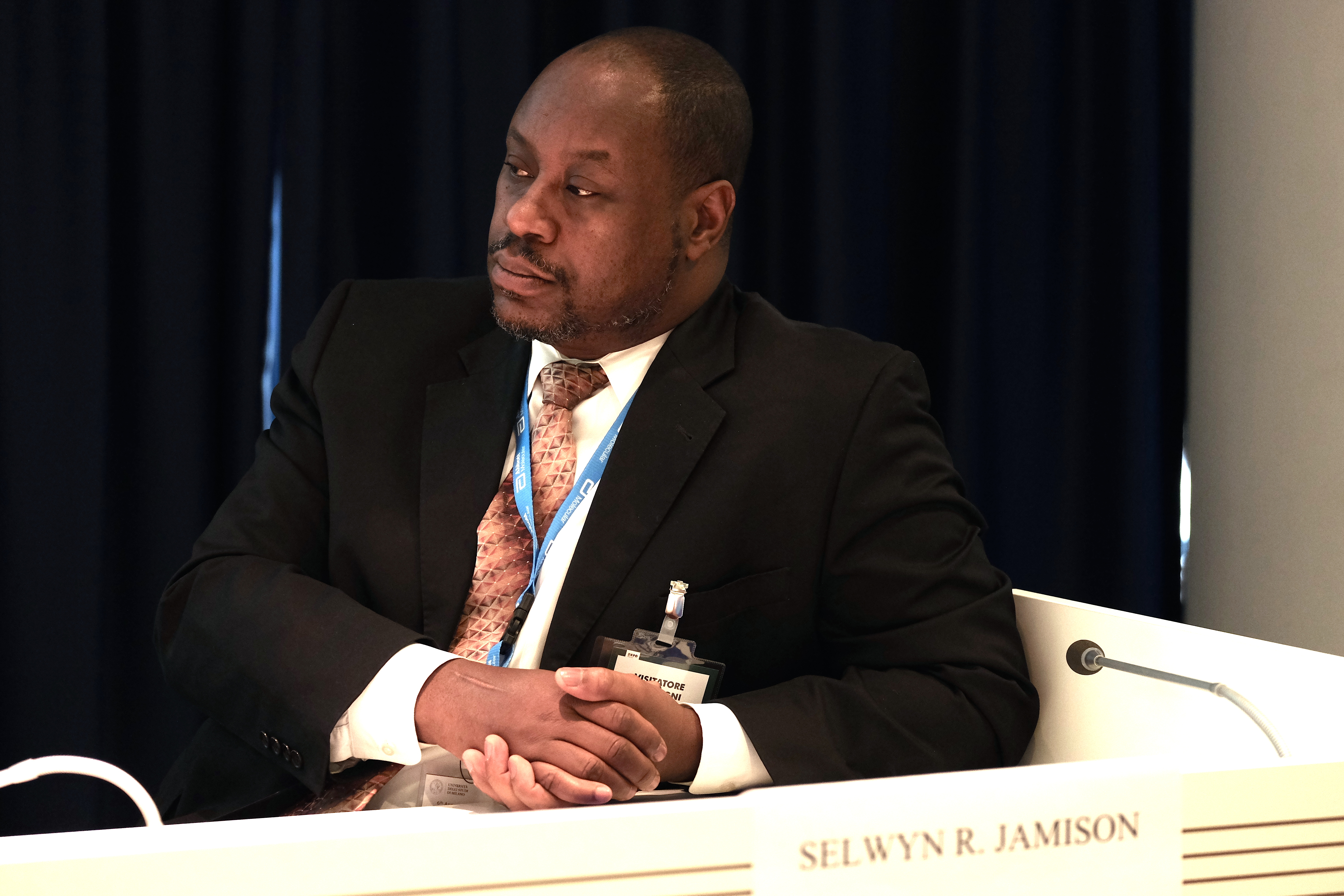
Selwyn R. Jamison
FBI Weapons of Mass Destruction Directorate. Program Manager, Washington DC
(USA)
 Methodologies to
Address a WMD Threat
Methodologies to
Address a WMD Threat
The biological risk/threat management (biosafety and biosecurity) is
addressed in the United States by a broad but related range of strategies and
legislative, regulatory, and policy implementation measures that are designed to
minimize the (inside and outside the laboratory) risk/ threat that science and
technology, biological materials, and research-related information can be
misused for hostile purposes.
Law Enforcement is in integral part of the US prevention strategy to address
these concerns. Internationally, the biological risk management is addressed by
the Biological Weapons Convention (BWC and the UN Security Council Resolution
1540 (UNSCR 1540)- as the means for preventing and deterring bioterrorism. By
identifying the synergy and convergence of biosafety and biosecurity
requirements as well as the means for capacity-building, assistance and
cooperation between the different communities and countries could maximize the
use of limited national resources by establishing regional and international
partnerships and pursuing inter-ministerial collaboration and a “culture of
responsibility” approach in order to strengthen the core capacities consistent
with the obligations under the BWC and UNSCR 1540 to deter, prevent, and respond
to biological incidents or threats.
Christopher J. Kramer
Argonne National Laboratory. Manager, Media Relations and External
Affairs, Argonne (USA)
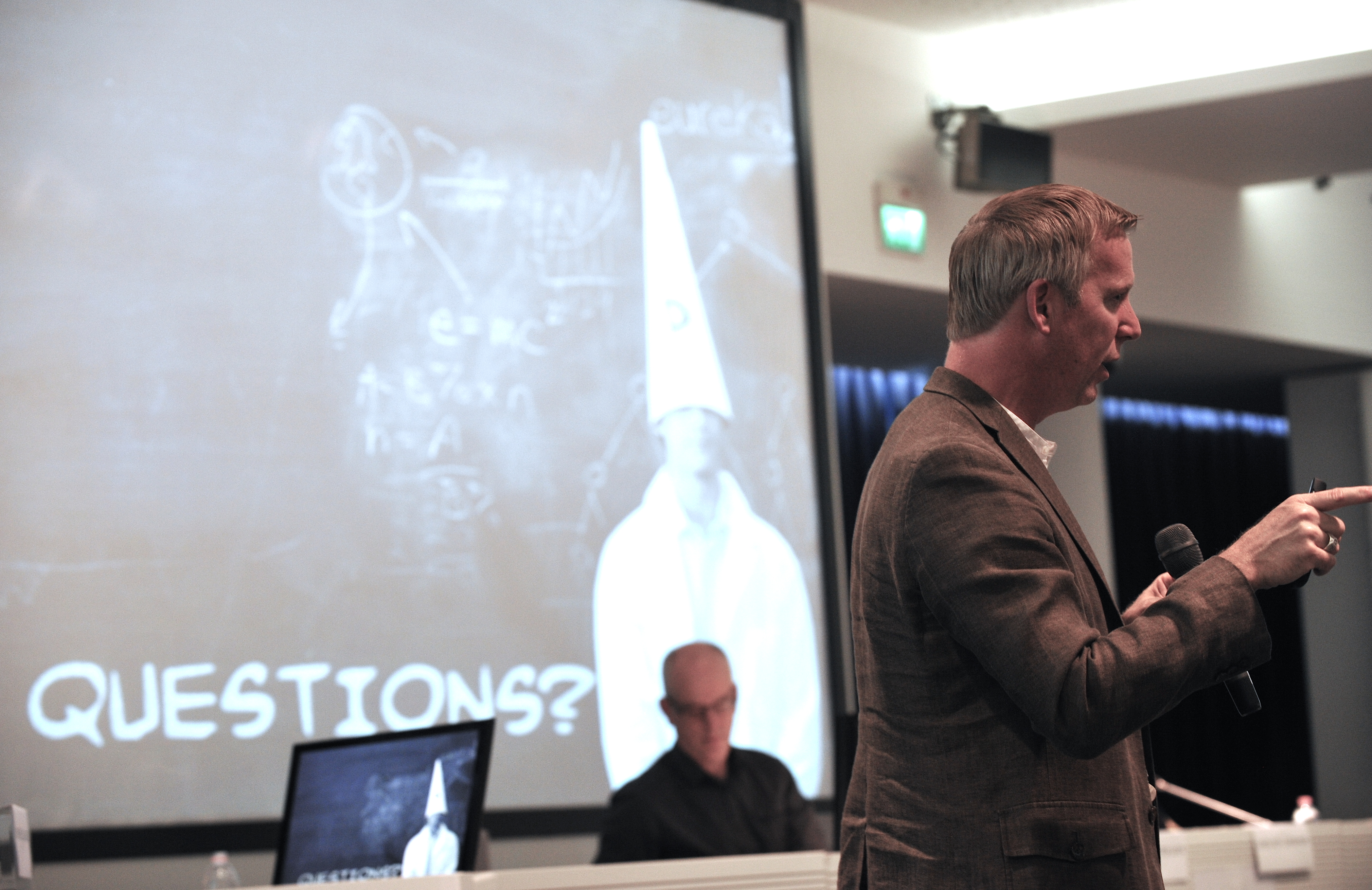
Blinded By Science!
Communicating Complex Scientific Information During a Time of Crisis
Communicating complicated scientific information to the public can be a
challenging endeavor - and it is exponentially more difficult during a time of
crisis. This session will explore the public’s understanding of science,
scientist’s understanding of the public, and how to distill important yet
complex science-based facts into understandable information for the news media
and the public during both normal and crisis operations. The session will also
touch on why it’s important to communicate clearly with the public and media and
how to do it effectively.
Igor Khrinipunov
Center for International Trade and Security. Professor, University of
Georgia – (USA)
Biorisk Management Culture
Bioscience facilities worldwide continue to experience safety and
security lapses suggesting that a system based solely on regulatory frameworks
such as those required by the UN Security Council resolution 1540 may not be
sufficient. This presentation discusses the concept of biorisk management
culture – which is an assembly of beliefs, attitudes and patterns of behavior
that can contribute to effective biorisk management by supporting biosafety and
reinforcing complementary security procedures, rules and practices as well as
facilitating relevant professional standards and ethics. A set of culture
characteristics and associated indicators as well as self-assessment tools will
be introduced in order to help organizations effectively manage the insider and
outsider threats. The proposed methodology is not prescriptive and can be easily
adjusted to the safety and security needs of individual facilities.
Vincenzo La Gioia
Italian Ministry of Defence. Italian Air Force Officer, Rome (Italy)
 Medical Intelligence
in Biological Issues
Medical Intelligence
in Biological Issues
Biosafety and biosecurity issues may pose challenging risks to Public
Health. Both of them require proper capabilities and interventions aiming at
preventing, protecting, recovering from impacts on vulnerable targets.
In the current globalized world, we can’t just deal with “courtyard” Public
Health (P.H.) approaches anymore, as we need to get timely awareness about
emerging possible health hazards or threats all over the planet, able to
implement the so-called “butterfly effect”, so endangering our “alleged far
away” communities.
Information and time are the key-points in biodefence. Additionally, current
national fragmentation of competencies in facing biological P.H. issues (Foreign
Affairs, Health Dpt., Law Enforcement, Risk Communication…) usually doesn’t
facilitate coherent decisions. National and International Organizations could
better counter biosafety and biosecurity P.H. issues by fielding Units capable
to collect, collate, pick up and fuse crucial and granular information raising
all over the world, providing the decision-making Authorities with coherent
assessments.
As a matter of facts, information management encompasses different capabilities,
critical to get the best exploitation of the so-called “window of opportunity”,
key-factor in facing biological issues. Medical Intelligence is an all-source
intelligence on medical, bio-scientific, epidemiological, environmental and
other information related to human or animal health. This discipline, being of a
specific technical nature, requires informed medical expertise throughout the
whole Knowledge Development cycle.
Medical Intelligence can fill the gap in information management and
exploitation, by merging classical tools belonging to the Intelligence doctrine,
such as indicators, matrices, modeling with scientific evidence-based
approaches. Borders between the huge vastity of human, animal or plant outbreaks
due to natural pathogens and the hopefully few cases of man-made deliberate or
accidental biological releases are usually faded and too often remain
unclarified. Medical Intelligence alone not always succeedes in refining these
critical issues but cooperation with Academia can open new roads in this field.
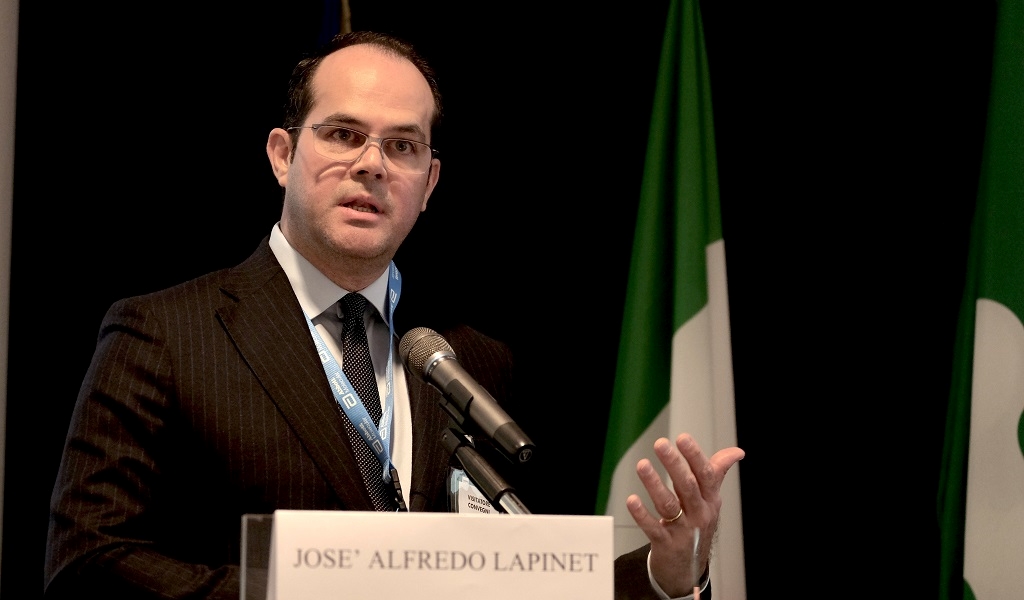
Josè Alfredo Lapinet
GlaxoSmithKline S.p.A. Medical Director Vaccines, Verona (Italy)
 Preparing for Global
Biodefense Threats: the Biodefense Preparedness Organization
Proposal
Preparing for Global
Biodefense Threats: the Biodefense Preparedness Organization
Proposal
During the last years, we have been witnesses of some
global biothreats, including Flu pandemic H1N1 and Ebola outbreaks. These
threats have shown how essential is, at country and international level to be
prepared to identify and respond to future public health threats, in order to
avoid devastating consequences for human health, economies and global security.
As a global leader in vaccines, we as GSK are committed to playing our part in
addressing public health threats. Our proposal is to create a dedicated,
permanent Biodefense Preparedness Organization (BPO), able to continuously
design and develop life-saving vaccines against previously identified and newly
occurring pathogens that potentially present a global health threat. The BPO
would be permanent and proactive; would offer a fully integrated, end-to-end
approach, from vaccine design to vaccine dose supply; and it would be fully
embedded in a permanent and highly experienced vaccine R&D organisation. Since
these biodefense challenges are likely to recur, GSK believes an alternative
approach based on proactive preparedness is needed; it would deliver a very
fast, predictable, financially planned and high quality way to enable rapid
provision of needed vaccines.
Marco La Stilla
Italian Air Force. Medical Doctor, Rome (Italy)
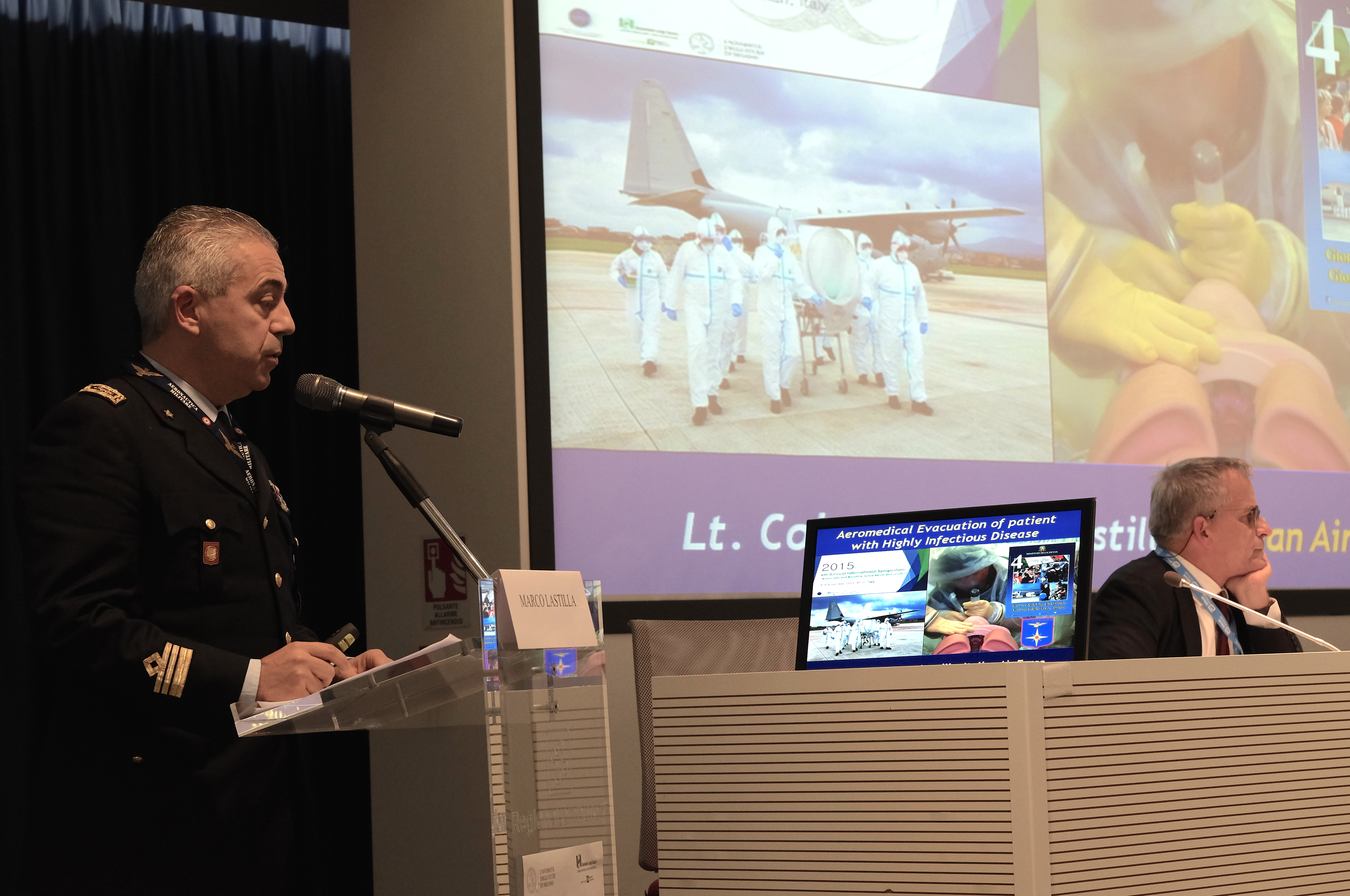 Aeromedical
Evacuation of Patient with Highly Contagious Infectious Diseases
Aeromedical
Evacuation of Patient with Highly Contagious Infectious Diseases
Highly Infectious Diseases pose a constant threat and have been a
challenge for public health systems within recent years. Air evacuation (AE) of
patients with potentially lethal, contagious infections poses unique challenges
and risks to air crews and medical personnel. The Italian Air Force has
developed the biomedevac capacity to safely transport patients with potentially
lethal communicable diseases.
We describe the development of the program for AE of patients with highly
infectious diseases. The Aircraft Transit Isolator (ATI) is a sealed container
in PVC, under negative pressure maintained by a battery-powered HEPA-filtered
ventilation. Integrated gloves with long sleeves, allow patient handling from
outside and basic monitoring and treatment interventions. The system is suitable
for different aircraft (C-130J, C27J, KC-767) and the airworthiness was
evaluated by the Flight Test Center considering several issues such as EMC
compatibility, power supply, vibrations, weight, and emergency procedures. The
AE team is composed by anesthetists, infectious disease specialists, flight
surgeons and flight nurses who underwent a specific training. All the activities
are in coordination with the Public Healthcare System.
After ten years of activity the Medical Service of the Italian Air Force has
successfully developed the bio medevac capacity. Some missions will be described
and discussed. AE of patient with highly infectious disease is possible by
proper equipment, procedures and training. In our experience the ATI showed to
be effective for in-flight patient care, easy to implement and safe for the
operators.
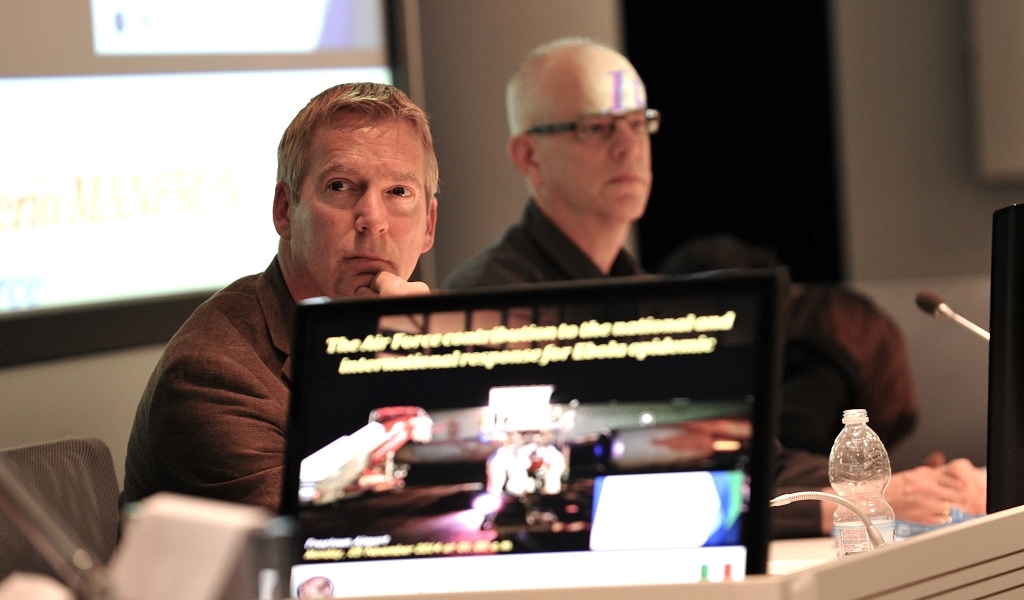
Piervalerio Manfroni
Italian Air Force. Head of Health Service, Rome (Italy)
 The Air Force
Contribution to the National and International Response for Ebola
Epidemic
The Air Force
Contribution to the National and International Response for Ebola
Epidemic
The recent Ebola Virus Disease (EVD) epidemic in West Africa has
emphasized the problem of a safe Aeromedical Evacuation (AE) of patients with
highly contagious infectious diseases (HIDs), in order to perform a treatment in
BioSafety Level 4 hospital units. Since AE of infected patients may cause unique
challenges and risks to air crews and medical personnel, it is appropriate to
engage a dedicated flight with the deployment of Aeromedical Isolation Team
(AIT).
The operational readiness of our units is based on long training started about
ten years ago, the availability of sophisticated means and trained men. This
resource is at the service of the country’s system integrated with specialized
hospitals and emergency services.
This activity of training is very useful not only in order to exchange opinions
and knowledge on the devices and procedures, but also because makes possible a
joint action between the different components of “Italy system country”,
according to “Viral Haemorrhagic Fevers, guidelines for the transport” of
Italian Ministry of Health and to an “Inteministerial agreement” among Health,
Defence, Foreign Affairs and Interior Ministries.
Francesco Marelli
United Nations Interregional Crime and Justice Research Institute
(UNICRI). Head of programme, Turin (Italy)
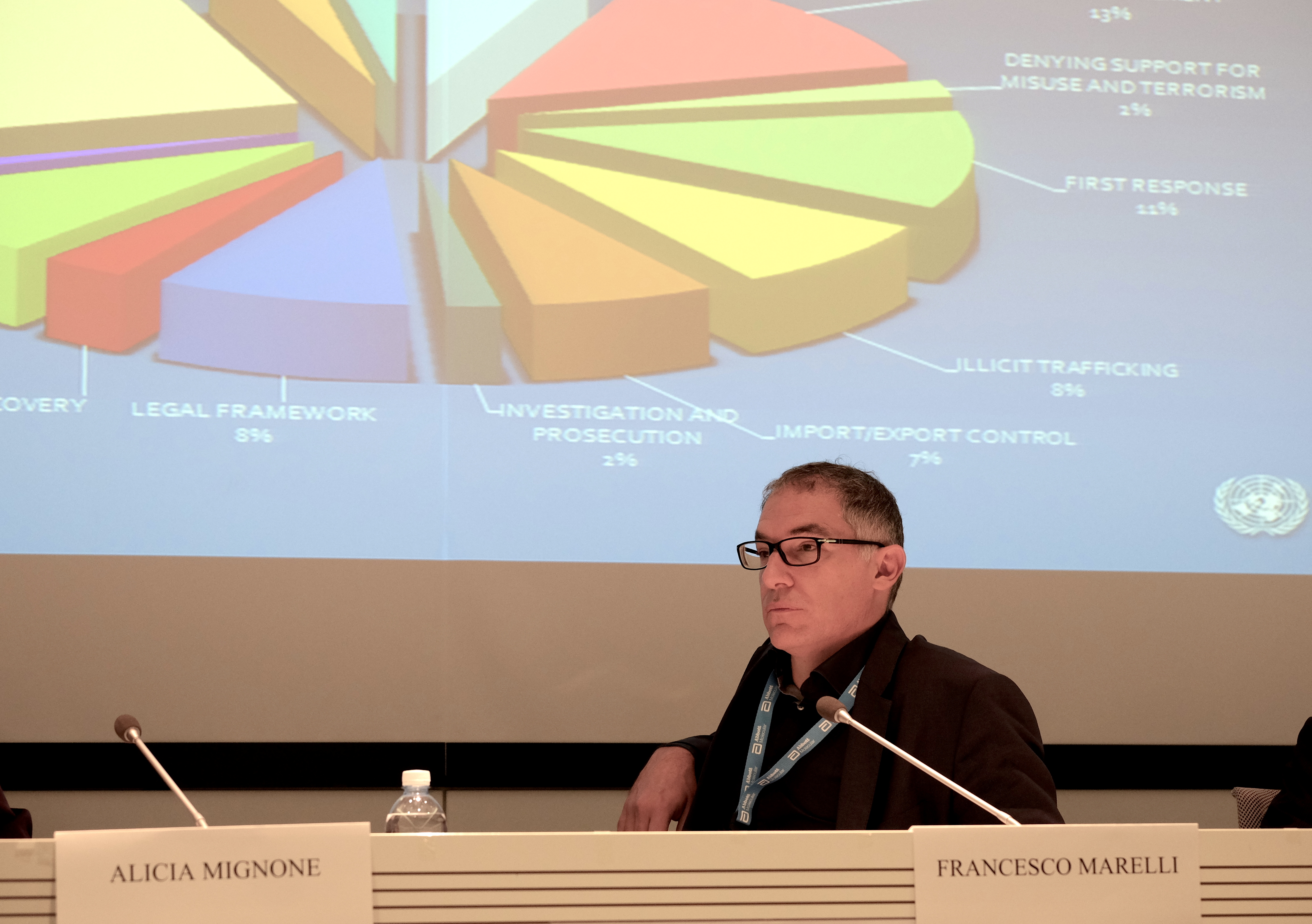 CBRN National Action
Plans: a Step Forward Towards National and International
Cooperation
CBRN National Action
Plans: a Step Forward Towards National and International
Cooperation
The National Action Plan on Chemical Biological
Radiological Nuclear (CBRN) risk mitigation is an essential instrument to
reinforce national and international cooperation. Developed by the CBRN National
Teams of the partner Countries of the European Union CBRN Centres of Excellence
Risk Mitigation Initiative (funded by the European Commission and implemented by
the United Nations Interregional Crime and Justice Research Institute (UNICRI)
and the Joint Research Centre of the European Commission), the National Action
Plans articulate a national vision of safety and security and identify a set of
priorities to strengthen national CBRN capacity.
The scope of the presentation is to describe the innovative methodology used by
the countries to develop the National Action Plan. The presentation will also
explain how these plans are key instruments to reinforce inter-agency
coordination and ensure that donors’ efforts are in line with countries’ needs
and expectations to reinforce their capability to counteract to CBRN risks such
as terrorism, industrial accidents and natural disasters impacting CBRN
materials.
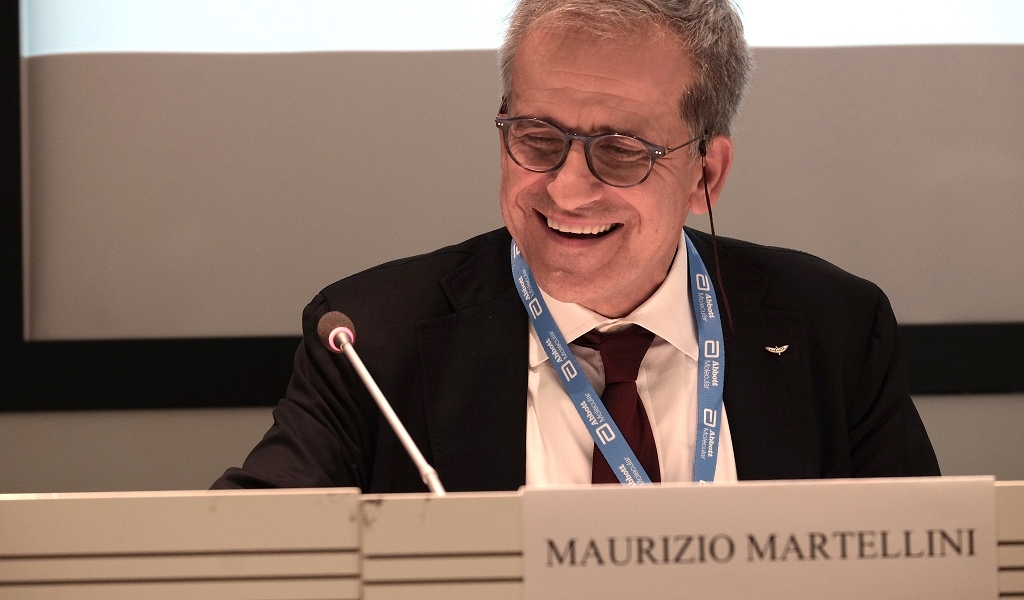
Maurizio Martellini
Insubria Center on International Security (ICIS). Director, Como
(Italy)
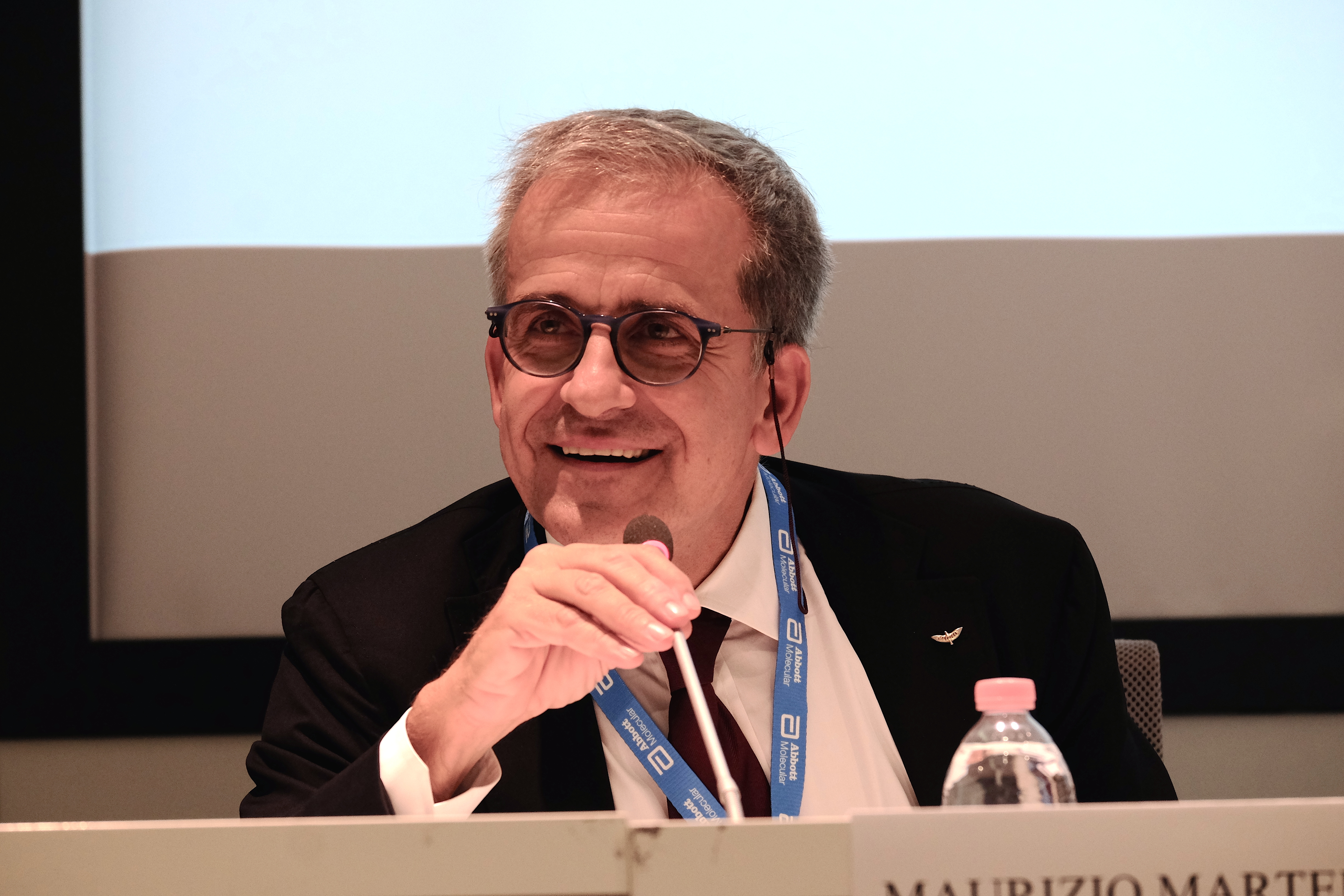 Global Health,
Biosecurity and Edging Biotechnology: New Challenges and Perspectives Across
Different Areas
Global Health,
Biosecurity and Edging Biotechnology: New Challenges and Perspectives Across
Different Areas
Global health, biosecurity and edging biotechnology are often
considered distinct areas of interest, dealing with different issues and facing
peculiar scenarios. The global asset of the health action-plan has been drawn to
improve health worldwide, to reduce disparities and to protect against global
threats. Indeed, the WHO internationally and, among others, the multilateral
initiative named the Global Health Security Agenda (GHSA), aim to prevent and
reduce the likelihood of outbreaks fostering both prevention and preparedness.
Biosecurity and, in a wider perspective, also biosafety deal with the prevention
of, respectively, intentional or unintentional exposure to pathogens and toxins,
in order to avoid the spread of hazardous biological agents. Both the
biosecurity and biosafety (B2S) are currently regarded as the milestones of the
bio risk management (BRM). Biotechnology is a relatively new technology that
allows, inter alia, to manipulate the DNA and even to synthesize new living
organisms. However, analyzing these areas from a closer perspective, it is
possible to find overlapping features: for instance, in a virtuous circle new
discoveries in biotechnology could enhance biosecurity practices and these could
ease and speed up public and global intervention strategies to fight outbreaks.
At the same time, new technologies could be used in a malicious way to threat
health security in a local or worldwide perspective.
In this context, three main questions could be raised: are the existing
guidelines able to regulate these intersections? Is the traditional way of
looking at the bio risk assessment enough comprehensive to include the
multidimensional nature of the life sciences challenges, running from the human
dimension to the illicit, malevolent use of technologies and agents? Are the
next generation scientists equipped to deal with these new scenarios? Awareness
and education strengthening among experts and decision makers, and the spread of
a B2S culture are pivotal actions to make the world a safer and more secure
place. These last considerations, lead the authors to rethink the qualitative
biorisk (BR) equation as a direct function of threats, vulnerabilities and
consequences. The biorisk occurrence is also inversely proportional to a
function that takes into account the underpinning B2S culture in the societal
environment of concern, the diffusion of the good B2S practices therein, and the
level of preparedness of the society as “a whole” to reduce the accidental,
natural or intentional bio accidents. In an heuristic way, BR=f (threats,
vulnerabilities, consequences)/f(B2S culture, good B2S practices, bio accident
preparedness).
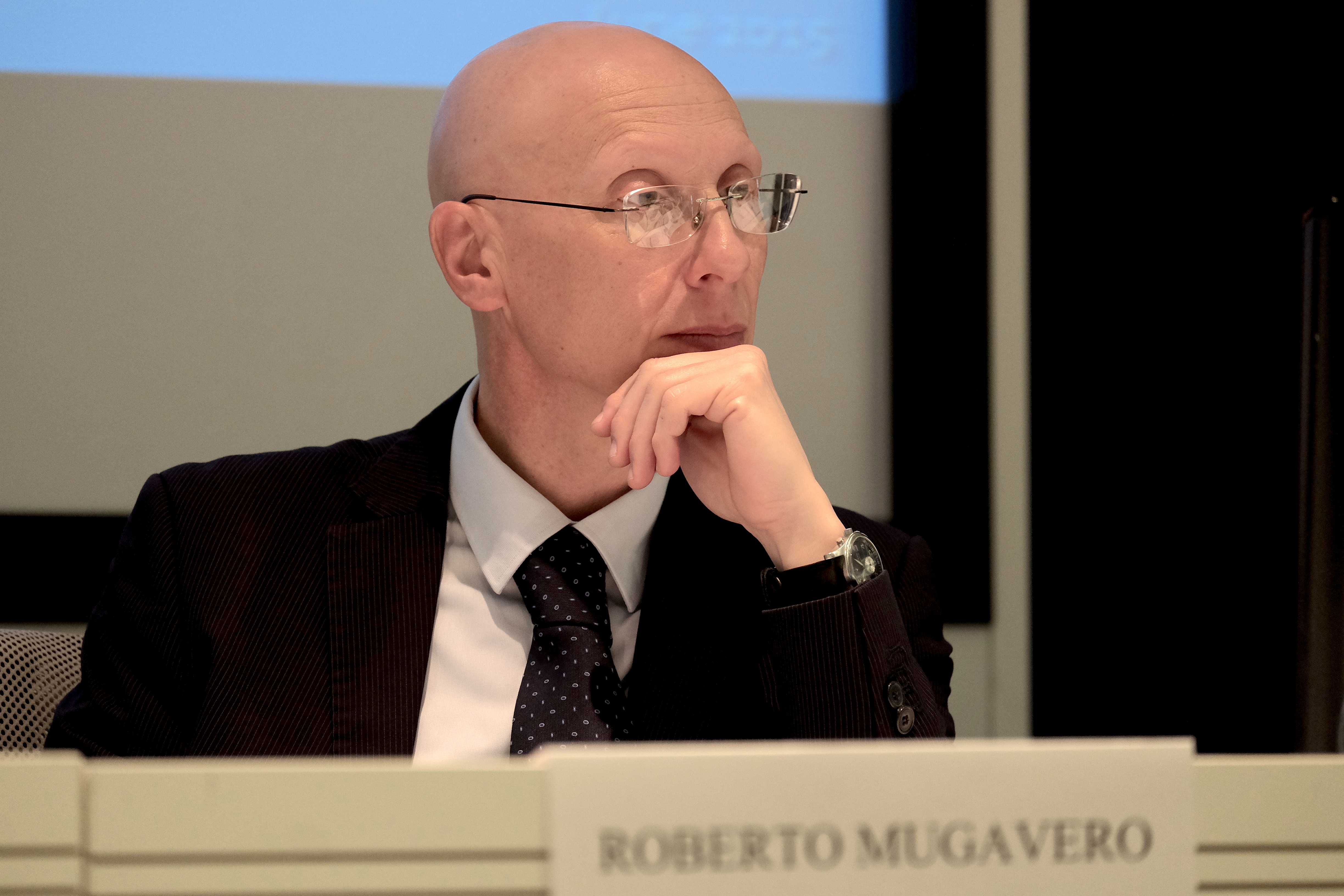
Roberto Mugavero
University of Rome Tor Vergata. Observatory on Security and CBRNe
Defence (OSDIFE ) President, Rome (Italy)
 CBRNe Information and
Knowledge Management
CBRNe Information and
Knowledge Management
The global threat of terrorism, with the potential use of the CBRNe
Agents and Weapons of Mass Destruction, and the evidence of a continuing
worldwide proliferation and development of unconventional weapons and their
delivery systems, is a great security challenges of the 21st Century.
This also in the light of the evolution of international geopolitical situation.
Currently in fact, in the Middle East, Africa and South Asia, a widening arc of
violent instability is generating broken, chaotic, fragmented states, often with
a heavy radical dimension, generating a deteriorated security environment in
several ways.
In addition, expanding human activity, global presence of nuclear, biological
and chemical industries, as well as circulation of related materials, increases
the possibilities of the release dangerous agents and substances into the
environment as a result of incident, natural disaster, deliberate action or
collateral damage in the course of military operations.
For that the field of Chemical, Biological, Radiological, Nuclear and Explosives
Defence (CBRNe) and Weapons of Mass Destruction proliferation (WMD) is a
multifactorial environment that requires deepened knowledge in order to be able
to analyze threat and crises and to relate to global news in the current
geopolitical framework.
Aim of the paper is to propose efficient management of documents, data and
information, connecting both technical CBRNe/WMD and Intelligence expertise, in
order to support experts by increasing their awareness and enabling them to
generate accurate analysis.
Tatyana A. Novossiolova
University of Bradford. Bradford Disarmament Research Center, Research
Assistant, Bradford (UK)
 Enhancing Biosecurity
Culture: The Role of Biosecurity Education
Enhancing Biosecurity
Culture: The Role of Biosecurity Education
The rapid advancement of the life sciences promises tremendous benefits
by responding to public health, societal and environmental challenges. At the
same time, it raises significant legal, social, ethical, and security concerns.
Faced with the dual challenge of maximising the benefits while reducing the
potential risks and threats, states around the world have strived to devise
various mechanisms and approaches aimed at promoting biosecurity culture. The
presentation examines the role of biosecurity education and awareness-raising
programmes in fostering biosecurity culture. It reports on a recent project
aimed at the development of a biosecurity textbook. It then goes on to highlight
the need for combining training content with a suitable strategy and gives
examples of a series of biosecurity seminars tailored on the TeamBased Learning
model.
Dana Perkins
Independent Consultant. Fromer member of the UN Security Council 1540
Committee Group of Experts, Whasington DC (USA)
 Women in Disarmament,
Non-Proliferation and Arms Control
Women in Disarmament,
Non-Proliferation and Arms Control
Over the past decade, United Nations entities have addressed
counterterrorism, disarmament, non-proliferation and arms control and advanced
the Women, Peace and Security agenda through a series of actions and
norm-setting initiatives. However, there is a need to better integrate these
efforts and to empower women worldwide to participate in the design and
implementation of counterterrorism, disarmament, chemical, biological and
nuclear weapons of mass destruction (WMD) nonproliferation and arms control
efforts, to promote equal opportunities for the representation of women in all
decision-making processes with regard to these matters, and to strengthen the
cooperation with civil society and women’s groups. The important contributions
of women in countering radicalization, violent extremism and the conditions
conducive to terrorism provide an impetus toward identifying new approaches and
synergies to empower women to more actively participate in WMD non-proliferation
decision-making processes and programming and to shape the environment to deter
WMD-related activities of non-state actors of concern.
Romina Stelter
 Deutsche Gesellschaft für
Internationale Zusammenarbeit (GIZ) GmbH. Project Manager, Berlin (Germany)
Deutsche Gesellschaft für
Internationale Zusammenarbeit (GIZ) GmbH. Project Manager, Berlin (Germany)
German Partnership Program for Excellence in Biological and Health Security - Experience from Sudan
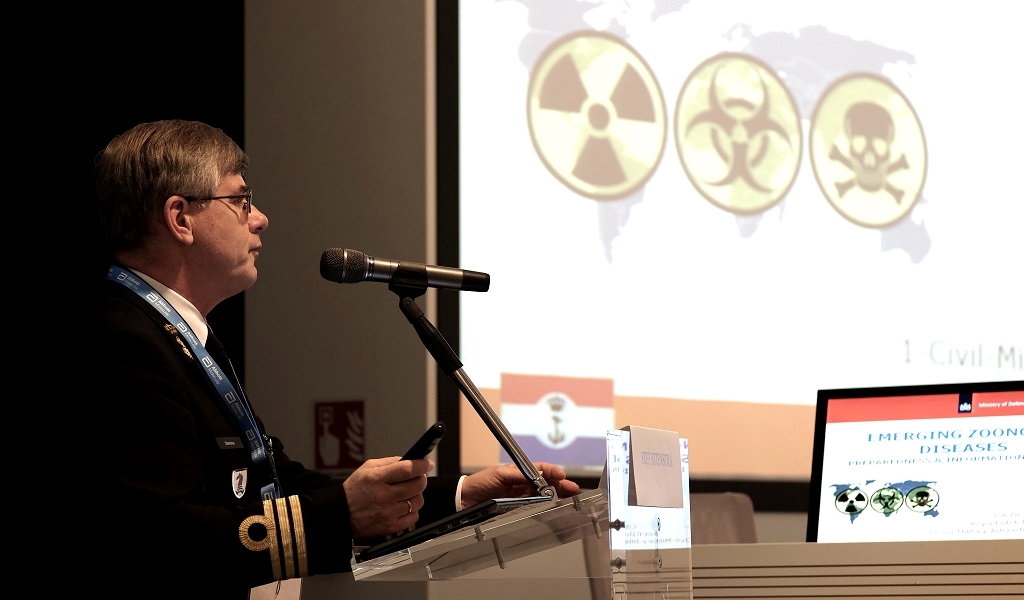
Stef Stienstra
Dutch Armed Forces. Medical Scientist
 Zoonotic Diseases
Threat Needs Sharing of Information and New Diagnostic Systems in Less
Developed Countries
Zoonotic Diseases
Threat Needs Sharing of Information and New Diagnostic Systems in Less
Developed Countries
Sharing public health threat information is a necessity for governments
to prevent outbreaks of infectious diseases. Public health systems are not
always prepared for huge outbreaks of infectious diseases. Although the in the
past several public health institutes were prominent surveyors of infectious
diseases and very active in the mitigation of infectious diseases both in- and
outside their country of origin, like the French Institute Pasteur, Dutch
Tropeninstituut and many others Institutes, the investments in worldwide public
health was in the last decennia far less compared to curative healthcare. With
the recent Ebola Virus Disease outbreak in West Africa we see a new wave of
growing interest in Worldwide Public Health.
Zoonotic diseases are the most dangerous for outbreaks running out of control,
as the population does not have natural nor artificial (from vaccination) immune
response to new emerging diseases. The recent Ebola Virus Disease outbreak in
West Africa was such an example. As the new strain of the Ebola Virus in West
Africa had a longer incubation time and was only slightly less lethal compared
other Ebola Virus strains, the threat of spreading among the population was far
bigger. It was of utmost importance to prevent the epidemic entering denser
populated areas. The mitigation of a highly infectious and deadly disease
outbreaks has several aspects for which most public health systems in the world
are not trained well enough. NGO’s helping to fight the outbreak are often
better trained in curative treatments and have less experience with biological
(bioweapon) threats for which the military are trained for. The UNMEER mission
is unique in this. It is a setting in which military and civilian actors
cooperate in fighting a biological threat. Protection is essential for health
workers and smart detection systems have to be developed to prevent further
spreading of the disease. But it is unfortunately not only the biosafety, which
has to be considered, but also the biosecurity, as misuse of extremely dangerous
strains of microorganisms cannot be excluded.
Several zoonotic infectious diseases, like anthrax, small pox and also the
haemorrhagic fevers like Ebola Virus Disease are listed as potential bioweapons.
With this extra threat in mind, both biosafety and biosecurity have to be
implemented in all measures to fight outbreaks of highly infectious diseases, as
we are doing now in West Africa. The awareness of bio-threats and expertise in
mitigation should be present in all countries of the world and several 2nd and
3rd world countries need education and training.
Michael Thornton
European Commission. Joint Research Centre, Team Leader, Ispra (Italy)
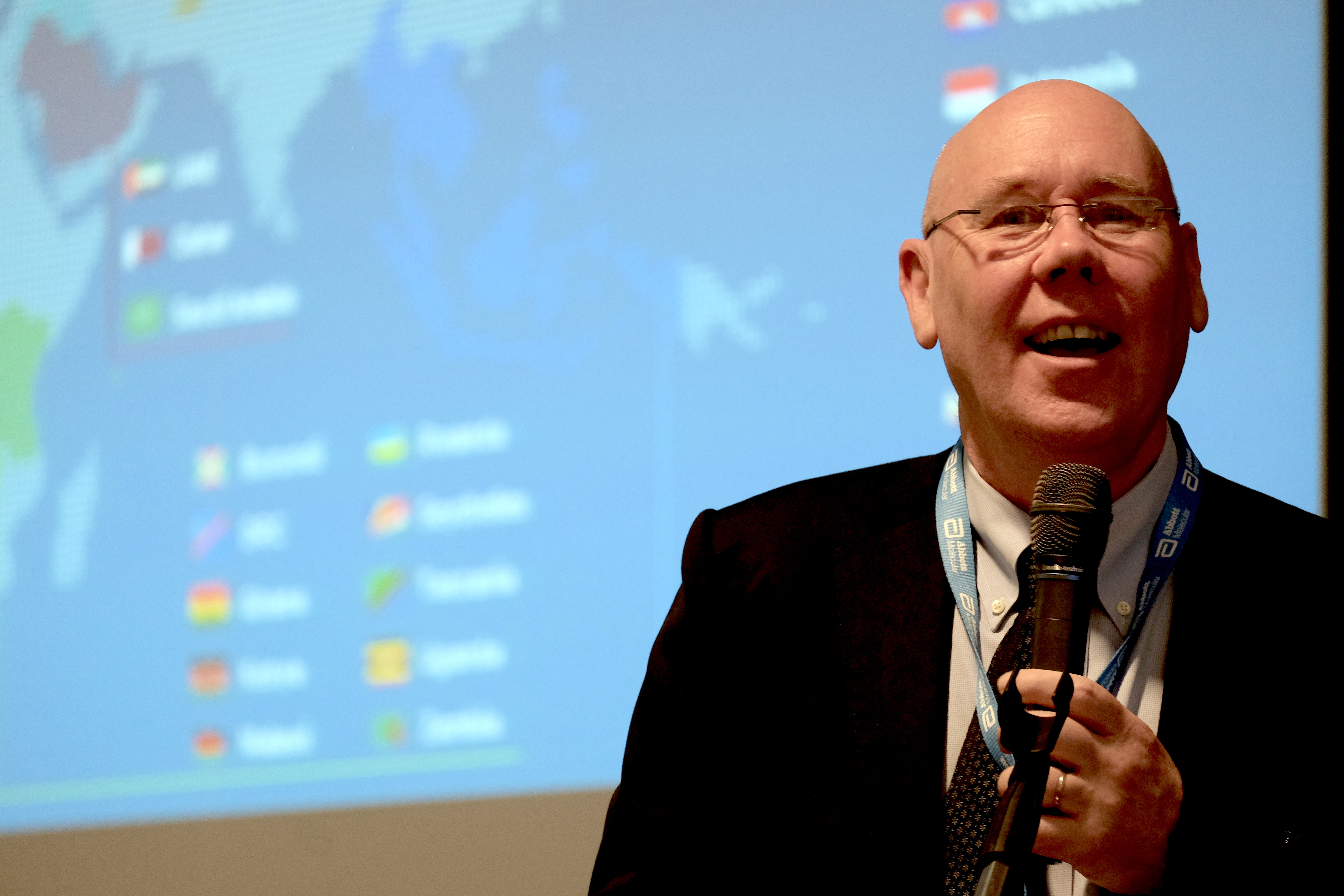 The 3 Objectives of
the CoE and their Role in Today’s World
The 3 Objectives of
the CoE and their Role in Today’s World
In 2009 DG AIDCO, now DEVCO, highlighted the 3 fundamental objectives
of the EU CBRN Risk Mitigation Centres of Excellence Initiative;
- Capacity building at regional & national levels by improving and maintaining a culture of safety and security in respect of CBRN materials and technologies
- Identification and planning of needs
- Coordination (at regional & national levels and between donors)
This presentation will attempt to show how far we have come over the last 5 years in meeting those objectives. The Initiative has grown from those early days and the CoE network of experts, both political and technical now stands at over 2000 members in 52 partner countries in 8 regions. Local ownership and coordination has been encouraged by the setting up of regional secretariats, the formation of National Teams and the holding of round table meetings in the regions at frequent intervals. Needs are identified and national action plans have been and continue to be developed. Tailored projects to build capacity in the countries have now involved the training of over 3000 personal in 60 countries and more are trained each day.
Nigel P. Tottie
FIIAP Foundation. Project Team Leader, Madrid (Spain)
 A Methodology for
Enhancing Biosafety and Biosecurity Capacities in South-East Asia- CBRN CoE
Project
A Methodology for
Enhancing Biosafety and Biosecurity Capacities in South-East Asia- CBRN CoE
Project
The CBRN Centres of Excellence programme was launched in response to
the need to strengthen the institutional capacities of countries outside of the
EU to mitigate CBRN Risks. Among the latest projects to be launched by the CBRN
CoE Programme is Project 46, a three-year project which aims to enhance these
capacities by addressing issues of: (i) CBRN first response; (ii) biosafety and
biosecurity and; (iii) awareness raising and legal frameworks, in the ten
countries which form the SouthEast Asia region. In order to develop the
biosafety and biosecurity capacities within the region, Project 46 places a
great deal of emphasis on investing in those which already exist.
In order to facilitate the development of biosafety and biosecurity knowledge
among relevant personnel within the region, the project is in the process of
contracting with a number of appropriately qualified experts from each partner
country. These regional experts (REs) will form part of the project
implementation team, ensuring that local, national and regional interests are
reflected in the design and implementation of the project.
REs, together with the project Key Experts, will train, as trainers, bio-risk
expert teams (BET) and design-expert teams (DET) in each partner country. These
BETs and DETs will be mentored as they deliver training to their peers. Similar
train-the-trainer training (TTT) and support will be delivered to a number of
bio-hazardous waste management personnel from each country.
This emphasis on developing national and regional expertise, rather than simply
providing external support, sees an unprecedented investment in existing
regional capacities by a CoE Project. In empowering partner countries to develop
their own biosafety and biosecurity capacities, the EU is truly seeking to
promote a sustainable biosafety and biosecurity culture within the region for
the benefit of all.
Ngoc Phuong Van Der Blij
United Nations. United Nations Office for Disarmament Affairs,
Political Affairs Officer, Geneva (Switzerland)
 BWC Women and
Security
BWC Women and
Security
Men and women are impacted differently by armed violence. They also
have different strengths and perspectives to bring to disarmament efforts.
United Nations Security Council resolution 1325, adopted in 2000, and half a
dozen Security Council resolutions adopted since then, recognized these
realities and set out a normative framework for the ‘women, peace and security
agenda’.
Over the last decade, women’s participation in BWC Meetings increased, but
remained minor. How to promote women’s roles in that forum or in security in
general is a question that UN, more specifically UNODA (United Nations Office
for Disarmament Affairs) addressed through a Gender Action Plan. This question
could also be addressed in the context of the International Geneva Gender
Champions.
Finally, how could BWC States Parties initiate this discussion in the BWC
meetings is a question that they could consider, in light of the forthcoming
2016 BWC Review Conference.
Gijsbert van Willigen
European Biosafety Association (EBSA). President elect, Brussels
(Belgium)
 The European Biosafety
Association
The European Biosafety
Association
European Biosafety Association (EBSA) was founded in June 1996. It is a
not for profit organization which aims to provide a forum for its members to
discuss and debate issues of concern and to represent those working in the field
of biosafety and associated activities. The Association has individual members,
representing over 24 countries in Europe, as well as other regions. EBSA is open
to anyone working in the field, providing unique networking opportunities.
Members range from students to senior professionals, from disciplines as diverse
as healthcare, academia, emergency response, pharmaceutical/biotech industries
and regulatory affairs Mission:
- The European Biosafety Association (EBSA) establishes and communicates best biosafety and biosecurity practices amongst its members and encourages dialogue and discussions on developing issues.
- EBSA represents and defends the collective interests of its members in all areas relating to biosafety and biosecurity.
- EBSA influences and supports emerging legislation and standards, with the objective of ensuring the prevention of harm to man or the environment from biological substances or materials.
 Management of Ebola
Waste in a Clinical Setting
Management of Ebola
Waste in a Clinical Setting
In 2007 a patient with Marburg hemorrhagic fever was hospitalized in
the Leiden University Medical Center. Besides the challenges that were
encountered in treating and nursing the patient, the biggest challenge was the
waste generated by the patient and hospital staff. After the patient died, 3
days after hospitalization, more than 1300 kilos of waste had to be destroyed.
In the end 3 people were busy for 5 days operating 4 destruction autoclaves to
destruct all the generated waste. In 2007, the only way to dispose waste
classified as UN2814 “Infectious substance affecting humans” was in-house
destruction in validated destruction autoclaves. Packaging and transport to
incinerators was not possible, due to the fact that only small type of packaging
existed for UN2814 classified material. In the Netherlands only 3 hospitals have
sufficient destruction autoclave capacity to handle the amounts of waste.
After the Marburg patient the packaging industry was asked to develop large
packaging to be used in a clinical setting for packaging waste generated in
isolation wards. At least 3 suppliers developed this kind of packaging.
When the Ebola crisis started and the first Ebola suspected patient we
hospitalized it quickly became clear that the containers developed for clinical
waste generated treating and nursing these patient were not suitable to be used
in a clinical setting. This was also recognized by Belgium and Dutch
authorities. On behalf of the Dutch Center for Infectious Disease Control a
meeting was organized with various stakeholders from Belgium and the
Netherlands. The outcome of this meeting resulted in the multi-lateral agreement
M221 “Carriage of waste contaminated with viruses causing haemorrhagic fever”
initiated by the Belgium government. The solutions described in M221 make it
possible to use normal UN3291 hospital waste containers in the isolation wards.
These containers are then packaged in a second container to make safe handling
and transport of the waste generated during treatment and nursing to an
incinerator possible. To date 6 European countries have signed the multilateral
agreement.
In the presentation the large UN2814 and the problems using these containers in
a clinical setting and the solutions given by the Multi-lateral agreement will
be discussed.
Viji Vijayan
Duke - NUS Graduate Medical School. Assistant Dean, Singapore
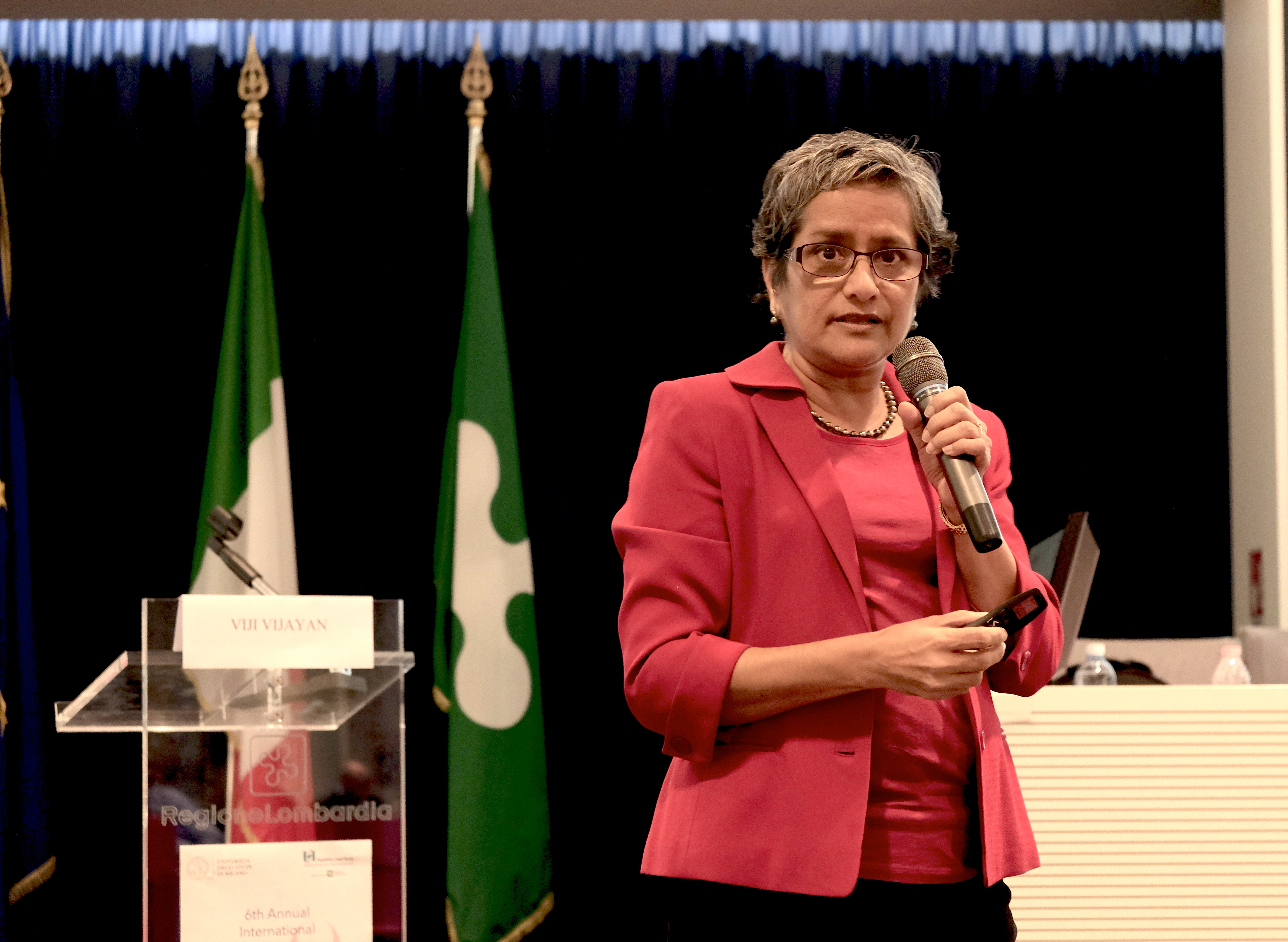 Analysis of New Risks
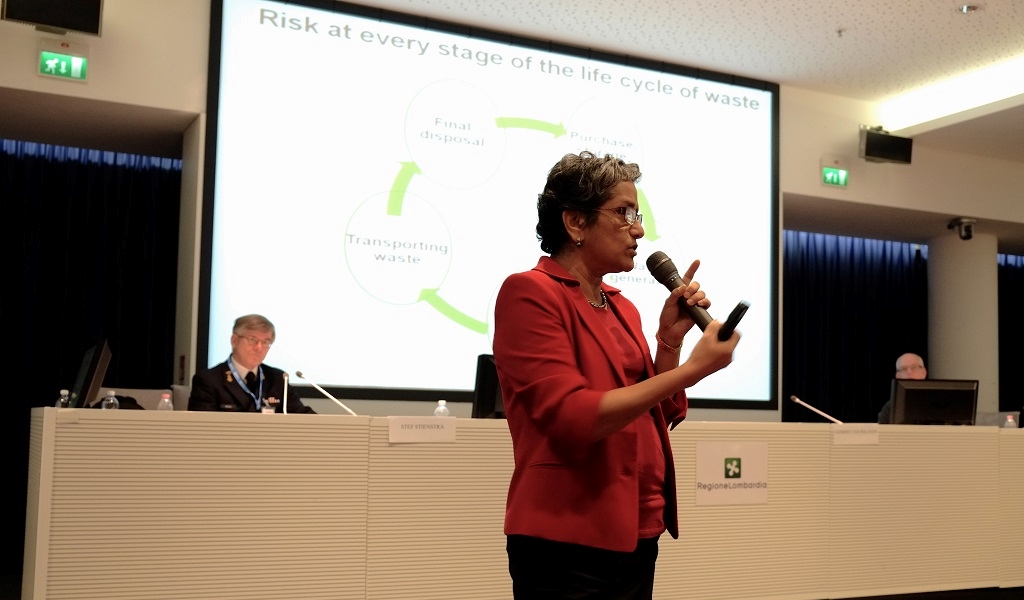
Posed by Biological Waste and Mitigation Methods
Analysis of New Risks
Posed by Biological Waste and Mitigation Methods
Biological waste is any waste that contains a biological hazard, but
for the purpose of this discussion I limit this to medical/laboratory waste.
Such waste can be generated at a medical or research/clinical laboratory
facility and can include blood, fluids, tissues; needles, blood tubes, specimen
bottles, etc from humans or animals.
In general the biological waste can be divided into solid and liquid waste.
Liquid waste is primarily treated with chemicals like bleach or other
disinfectants, diluted and neutralized before being discharged into the sewer
systems. Regulations about what can be discharged into the sewerage systems
varies among countries and location within the countries. Solid waste on the
other hand, requires special management methods, which are often expensive and
has received much attention in recent years and this paper will discuss these
challenges.
Research has shown that the amount of medical waste generated is proportional to
a country’s per capita GDP and healthcare expenditure. This may also be applied
to waste generated at research facilities. It is estimated that only a portion
out of the total waste generated may actually be a biological hazard, the
estimate ranges from 3 to 20%. Even if the amount is small the hazards posed can
be enormous, ranging from infections to individuals and community; harm to
animal health; sharps-inflicted injuries; poisoning with antibiotics and
cytotoxic drugs and many others. It is therefore essential to address the
hazards posed by biological waste from “cradle to grave” a term used to denote
the entire life cycle of the waste. This includes, generation at source,
transportation and disposal. Let us consider the challenge at each stage.
Generation at source:
While “reuse and recycle” are not options available in controlling the amount of
waste generated, “reduce” and “segregation” can be used to achieve this.
Disinfection before transportation is required for infectious waste and
segregating effectively can generate cost savings. Newer challenges in waste
management include mixed waste: radioactive, chemical, nanomaterial or synthetic
biological material. Some of these will require pretreatment before
transportation for final disposal, improved segregation can keep such treatment
to a minimum, saving cost and reducing the need for complex disposal methods.
Transportation:
Transportation requires special consideration like protective gear for workers,
leakproof containers, special vehicle and trained drivers and in some countries
a tracking system. Segregation and decontamination of waste at source can reduce
the transport cost as the waste can be transported as nonhazardous material.
This will also reduce the security risk of malicious acts during transportation.
Disposal:
Incineration is the commonest method of disposal of waste, however there are
challenges like release of toxins the common ones being dioxins, furans, and
mercury. Non-incineration methods include autoclaving, chemical disinfection,
etc but they do not reduce the volume of the waste that needs to be dumped in
landfills. Waste to energy programs can put the waste to good use, one such
technique used in Singapore is to use the incinerator ash to lay roads.
Andrew Weber
U.S. Secretary of Defence. Former Assistan, Washington DC (USA)
 21st
Century Biosecurity
21st
Century Biosecurity
In the 21st Century preventing and preparing for Weapons of Mass
Destruction attacks is a global security imperative. These capabilities, once
the exclusive purview of industrialized states, are becoming increasingly
accessible to non-state actors. Since the 1995 Aum Shirikyo chemical and
biological weapons attacks in Japan, terrorists have been seeking the materials,
technology and expertise needed to produce WMD’s. Multisectoral civilian,
military, law enforcement and intelligence cooperation is needed to improve
global capacity to prevent, detect and respond to potential WMD terrorism. The
threat of biological weapons and natural pandemics is especially grave, and
requires a focused global effort to deny access to pathogens and improve
outbreak early warning systems. The Ebola outbreak in West Africa demonstrated
the need for increased global health security capacity building, and an
international program of response planning and exercising. This will require
innovative public-private and international partnerships.
SCIENTIFIC SECRETARIAT
Giovanna Fotia
Cristina Pagani
Luca Vitali
ORGANIZING SECRETARIAT
Annamaria Di Gregorio
Alessandro Mancon
Davide Mileto
Alessandro Palazzin
Laboratory of Clinical Microbiology, Virology and
Bioemergencies “L. Sacco” University Hospital Milan (IT)
E mail: [email protected]
tel +39 02 5031 9831
WITH THE PATRONAGE OF

Presidence of the Council of Ministers
Ministry of Foreign Affairs and International Cooperation
Ministry of Defense
Ministry of Interior
Ministry of Health


