


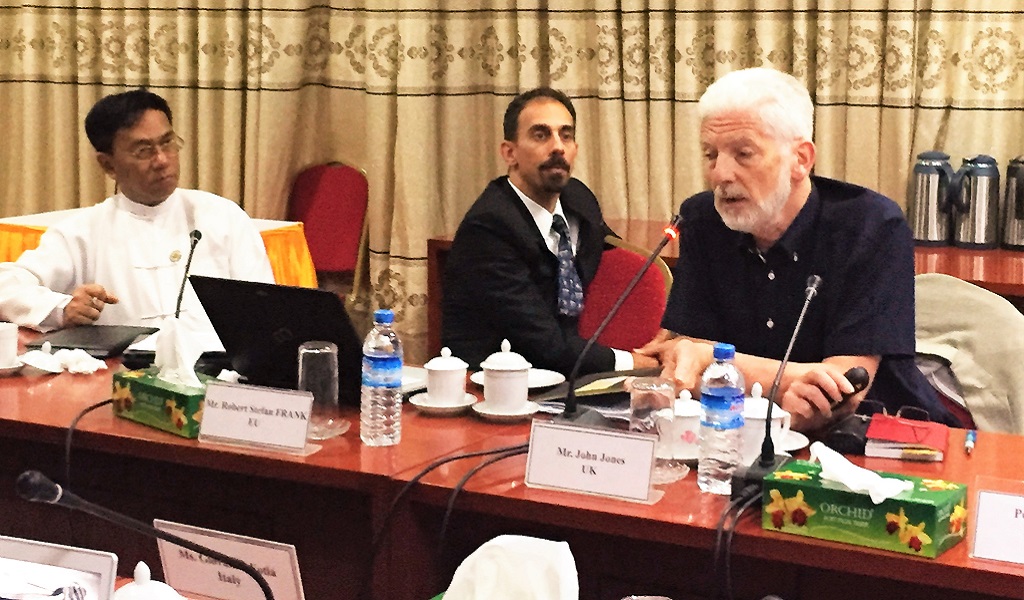


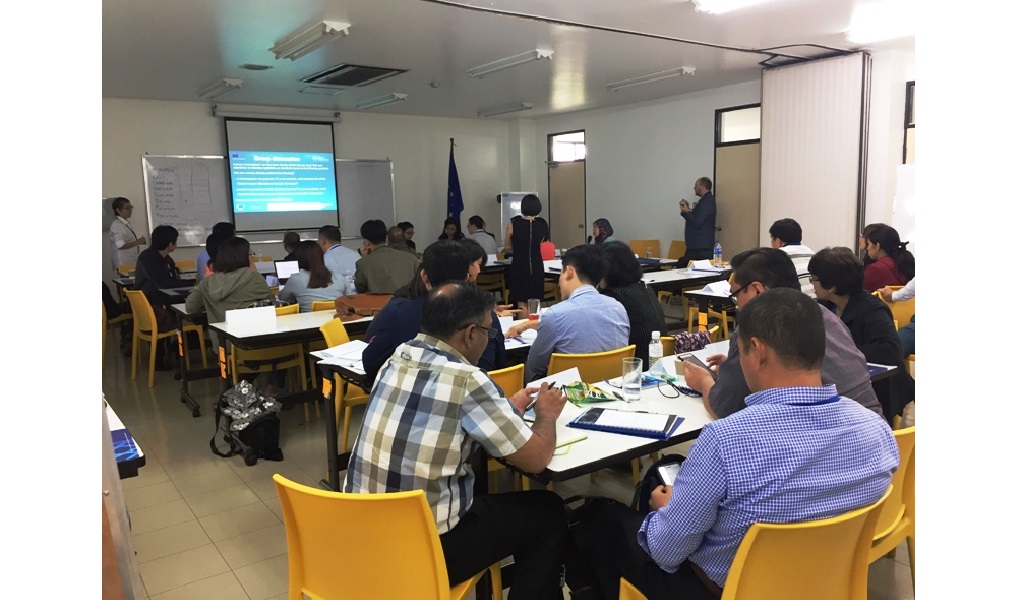
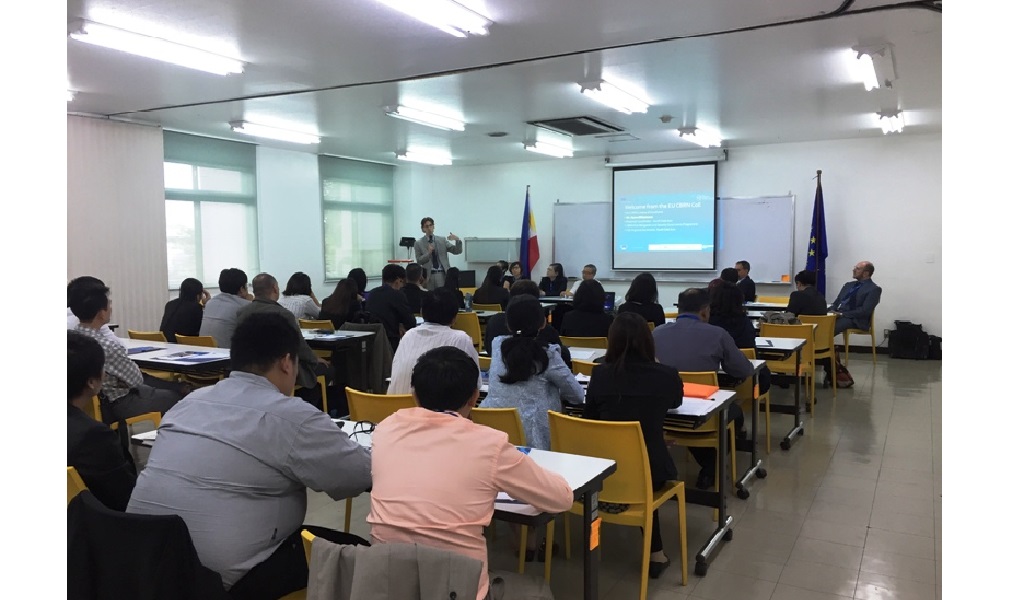

CBRN CoE Project 46
Short
name: CBRN CoE Project 46
Title: Enhancement of CBRN
capacities of South East Asia in addressing CBRN risk mitigation concerning CBRN
first response, biosafety and biosecurity, awareness raising and legal
framework
Geographical
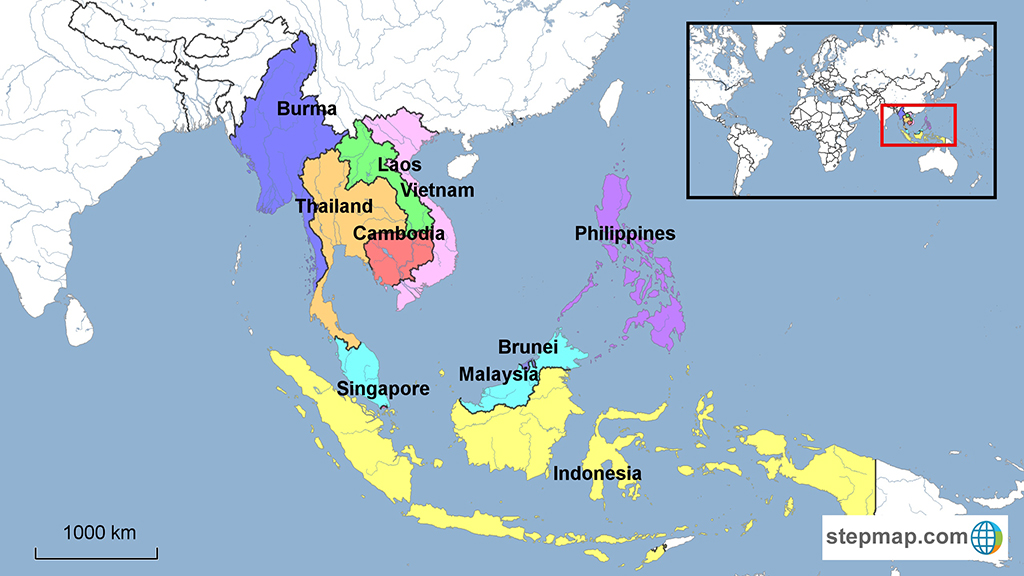
Scope: South East Asia
Participating
Countries (to be confirmed): Brunei Darussalam, Cambodia,
Indonesia, Lao PDR, Malaysia, Myanmar, Philippines, Singapore, Thailand,
Vietnam
Duration: 3 years
Role: Partner for the component
2. Work Packages 3, 4, 5
Consortium
Leader: Fundación Internacional y para Iberoamérica de
Administración y Políticas Públicas – FIIAPP, Spain
Contracting
Authority: EU Commission, DG DEVCO
OBJECTIVES
The purpose of this project is to enhance CBRN capacities of South
East Asia in addressing CBRN risk mitigation through the implementation of the following
components:
- Component 1: capacity building on crisis management for CBRN first responders;
- Component 2: capacity building in biosafety and biosecurity, including bio-risk and
waste management;
- Component 3: awareness raising concerning CBRN risk mitigation and technical support
to strengthen legal framework.
ACTIVITIES
The following results will
be accomplished with the project:Component 1: Capacity building on crisis management
for CBRN first responders:
- Organisation and provision of specialized emergency teams training for
first-responders in order to develop a quick and effective response to CBRN
threats;
- Reinforcement of inter-agency coordination and improvement of national policies
consistently with other international obligations and recommendations on first
response to CBRN incidents;
- Development of CBRN recovery strategy and guidelines.
Component 2: Capability assessment and Capacity building in biosafety and biosecurity,
including bio-risk and waste management:
- Mapping of regional bio-laboratories and facilities (both public and private)
including information on state of the art, available equipment and areas of
expertise;
- Organisation and provision of a training programme on biosafety, biosecurity and
bio-risk management including specific training for scientists and laboratory
technicians on laboratory equipment and maintenance;
- Development of a flexible and sustainable training system applicable to a broad range
of countries and government structures on biosafety and biosecurity standards and
procedures in BSL2+ and BSL3 laboratories;
- Development of a training programme for relevant experts on methodology to design,
build, and monitor high level security containment biological laboratories (BSL2+ and
BSL3);
- Development of a training programme for laboratory experts on guidance and regulations
(WHO/HSE/GCR/2012.12) concerning the transport of infectious substances;
- Development of a training programme for laboratory experts on safety and security
procedures related to the management of biological waste;
- Organisation of workshops to improve regional cooperation and harmonisation with
international standards on the safe and secure management of biological waste.
Component 3: Awareness raising concerning CBRN risk mitigation and technical support to
strengthen legal framework:
- Inventory of relevant national and international legislation concerning CBRN related
matters;
- Compilation of existing international guidelines and standards on hazardous CBRN
materials management;
- Raise awareness among national authorities, policy makers, and relevant stakeholders
the as well as the civil society and the private sector, through meetings, workshops and
conferences on the need of prevention and preparedness against CBRN threats;
- Provide support to develop or compile national databases of CBRN materials, including
registered users, import-export authorisations and storage locations.

